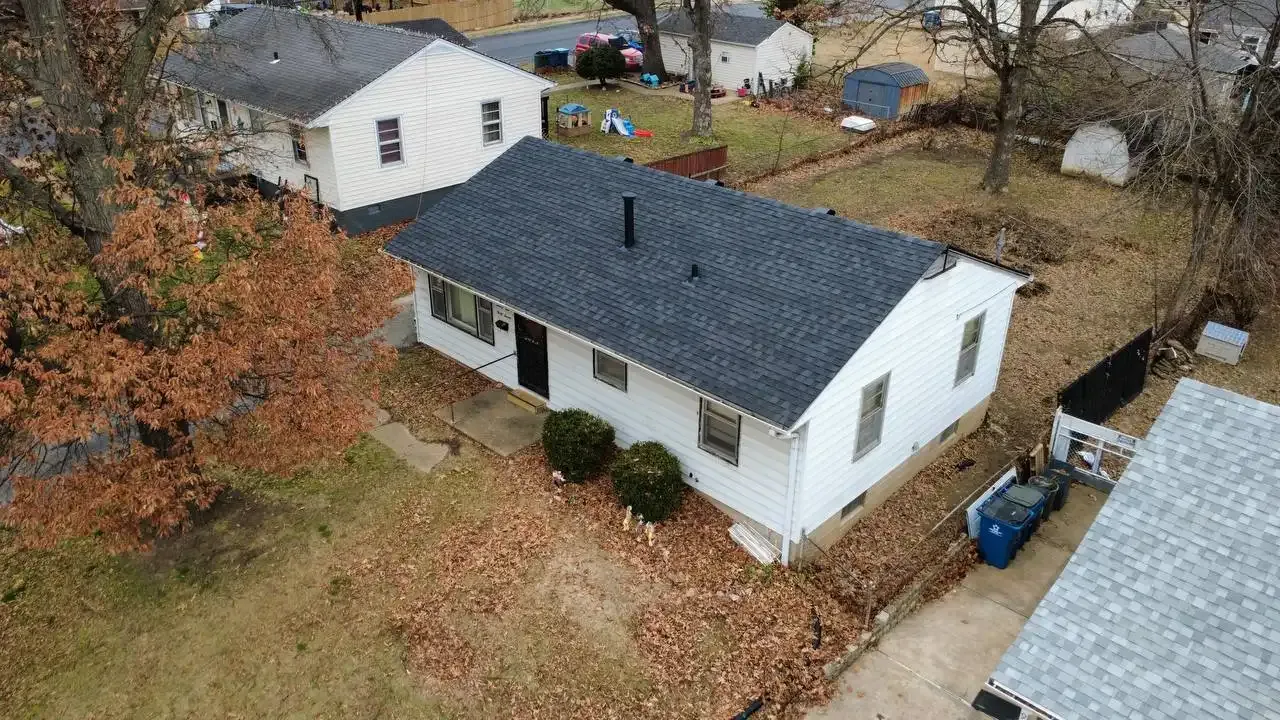
If roofs could talk, most of them would say the same thing: “I tried to warn you.”
Homeowners often wait until there’s an obvious problem before replacing a roof. A leak shows up. Shingles disappear after a storm. A ceiling stain suddenly becomes a ceiling feature. At that point, the question isn’t when to replace the roof — it’s how bad did it get before anyone noticed?
The truth is, the best time to replace a roof has less to do with a calendar date and more to do with planning, condition, and timing it before small issues turn into expensive ones. Especially in Missouri, where weather doesn’t exactly ease into the seasons.
Let’s talk about when roof replacement actually makes sense — without scare tactics or sales pressure.
Why Timing Matters More Than People Think
A roof replacement isn’t just about new shingles. It’s about protecting everything underneath them.
When a roof ages past its useful life, damage rarely stays on the surface. Moisture works its way into decking, insulation, and framing. Ventilation struggles. Energy bills creep up. Mold becomes a possibility. And suddenly, what could have been a straightforward replacement turns into a much larger project.
Replacing a roof at the right time prevents that chain reaction. Replacing it too late usually means paying for more than just roofing.
Roof Age Is a Clue — Not a Guarantee
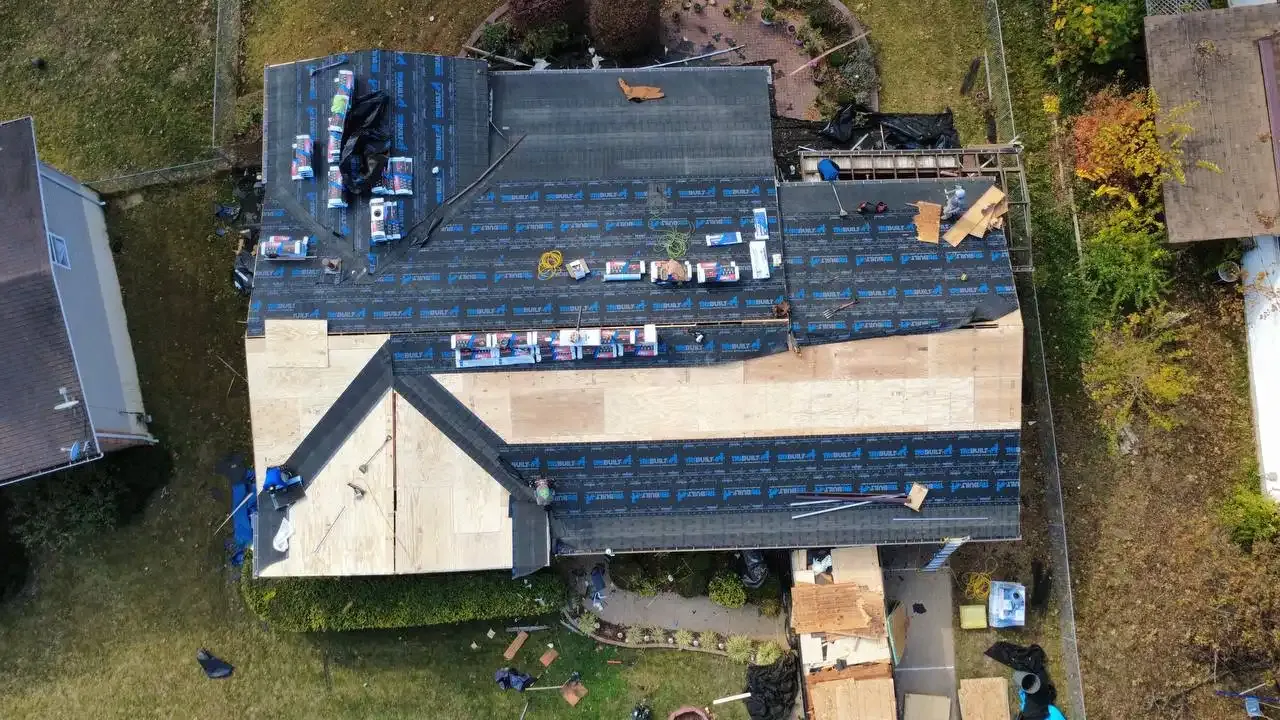
Most asphalt shingle roofs are marketed as “20-year” or “30-year” products. That’s helpful, but it’s not a promise.
In Missouri, temperature swings, humidity, hail, and wind shorten real-world roof lifespans. A 30-year shingle rarely reaches 30 years without issues here.
Once a roof hits the 15–20 year mark, it deserves closer attention. Not because it’s automatically failing, but because wear starts accelerating. Granules loosen. Sealants dry out. Flashing weakens. Ventilation problems become more noticeable.
At that point, replacement becomes a planning decision instead of a reaction.
For the actual numbers by material, see how long a roof lasts.
Season Matters — But Not the Way You Might Think
Many homeowners assume there’s one “perfect” season to replace a roof. In reality, each season has tradeoffs.
Spring and fall are popular because temperatures are moderate and weather is more predictable. Crews can work efficiently, materials seal properly, and homeowners feel comfortable scheduling work.
Summer works too, though heat can slow things down slightly. Shingles still install correctly, and long daylight hours help keep projects moving.
Winter surprises people. While extreme cold and snow can delay installs, many winter days are perfectly workable. The bigger challenge isn’t installation — it’s waiting until winter to discover the roof already failed.
The takeaway? The best season is the one before your roof becomes an emergency.\
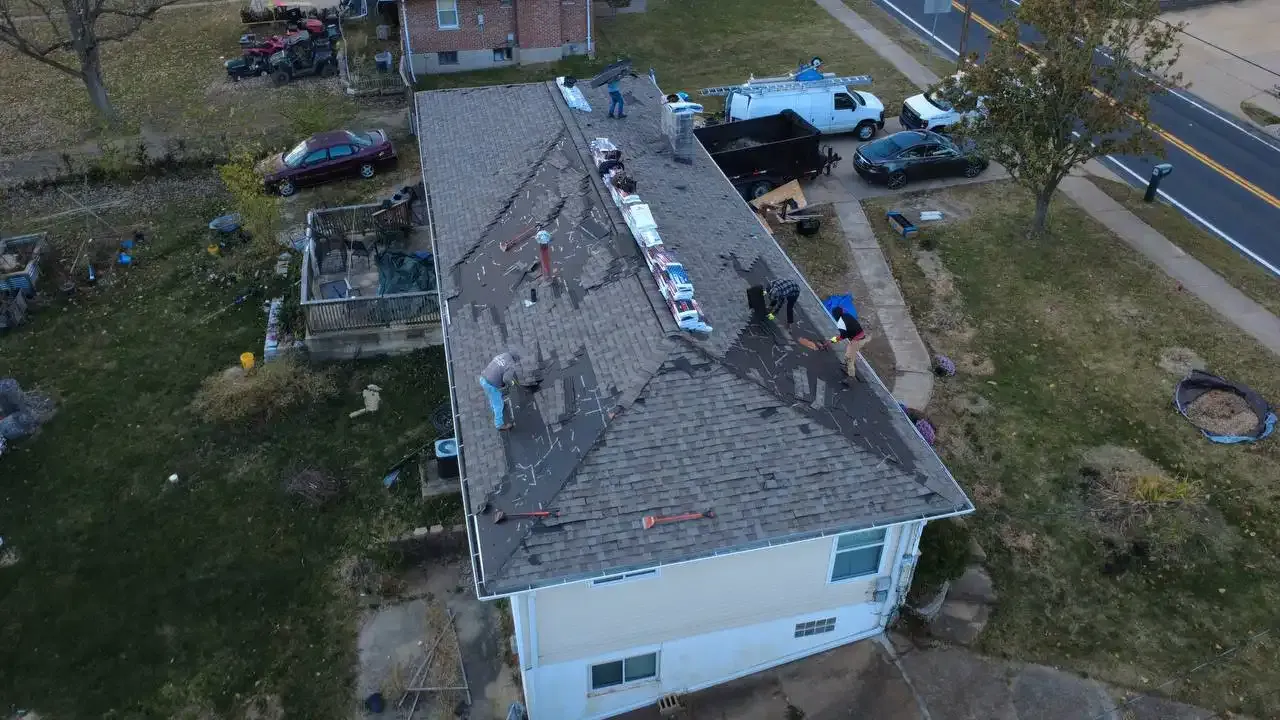
Replacing a Roof Before It Fails Saves Money (Even If It Doesn’t Feel Like It)
This is the part homeowners struggle with emotionally. Replacing something that “still works” doesn’t feel good.
But here’s what waiting often costs:
- Interior water damage
- Mold remediation
- Insulation replacement
- Structural repairs
- Insurance complications
- Emergency pricing
Planned replacements give you control. Emergency replacements take it away.
A roof replaced proactively is almost always cheaper than one replaced reactively. The difference just isn’t obvious until after the damage happens.
Selling Your Home Changes the Equation
If you plan to sell in the next few years, roof timing becomes even more important.
Home inspectors flag aging roofs quickly. Buyers notice shingle wear even faster. And “roof near end of life” has a funny way of becoming a negotiation lever.
Replacing a roof before listing:
- Improves resale value
- Reduces buyer objections
- Speeds up the sale process
- Prevents last-minute repair demands
Even if the roof technically has time left, replacing it strategically can pay off at closing.
Ventilation and Replacement Timing Go Hand in Hand
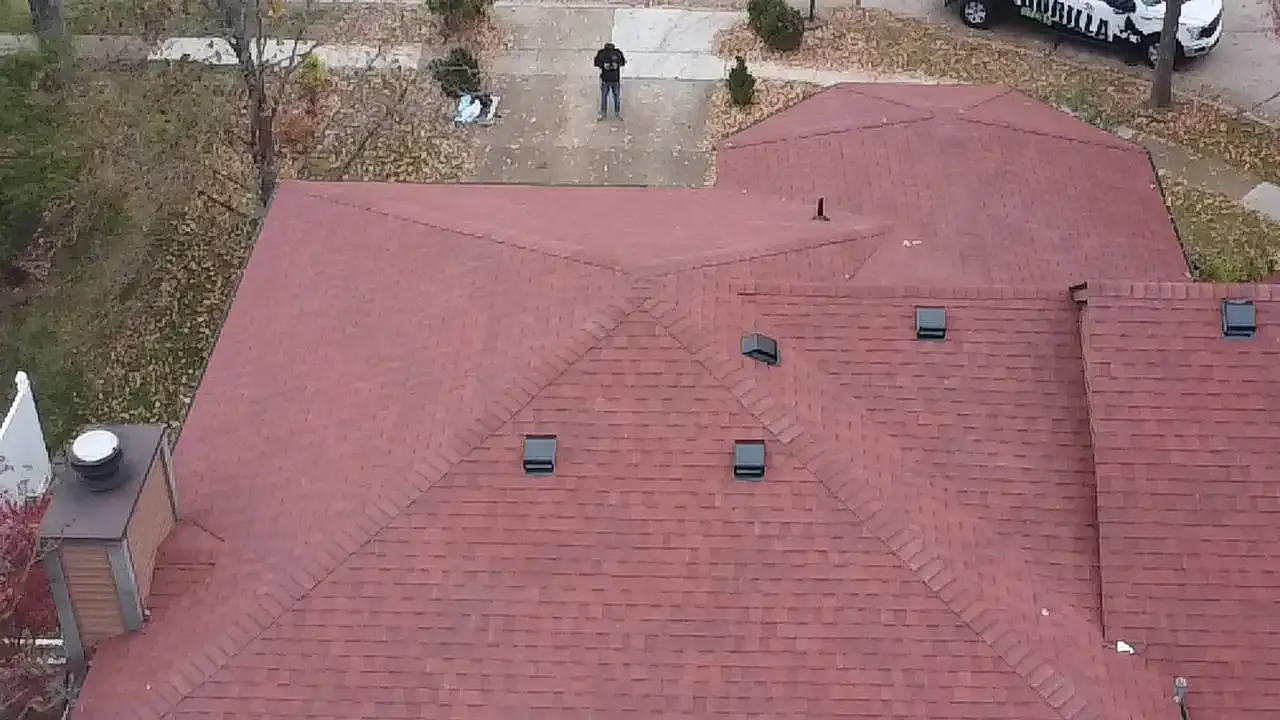
Roof replacement isn’t just about shingles. It’s often the best time to fix things you can’t see — like ventilation.
Many roofs fail early not because of bad materials, but because trapped heat and moisture damage them from underneath. Poor ventilation shortens shingle life, increases ice dam risk, and drives up energy bills.
Replacing a roof without addressing ventilation is like buying new tires without fixing the alignment. It works, but not for as long as it should.
That’s why the “best time” to replace a roof is often when you can correct the entire system, not just the surface.
Insurance and Storm History Can Shift the Timeline
In Missouri, storm damage complicates roof lifespan. Hail and high winds can weaken shingles long before leaks appear.
If your roof has experienced multiple storms, even if claims were never filed, replacement timing may need to move up. Insurance policies also change over time, and coverage for older roofs isn’t always guaranteed.
Waiting too long can mean fewer options — or higher out-of-pocket costs.
The Worst Time to Replace a Roof
There’s no polite way to say this: The worst time to replace a roof is when water is already inside your house.
At that point, decisions are rushed. Options are limited. Damage is already done. And stress levels are high.
The best roof replacements happen calmly. The worst ones happen with buckets on the floor.
So… When Is the Best Time?
The best time to replace a roof is when:
- The roof is aging but not yet failing
- Repairs are becoming more frequent
- Ventilation issues are present
- Energy bills are creeping up
- You want control over timing and cost
In other words, before the roof decides for you.
Final Thoughts: A Roof Replacement Should Be a Plan, Not a Surprise
Roofs don’t usually fail overnight. They give plenty of quiet warnings. The challenge is recognizing them early enough to act on your terms.
Replacing a roof at the right time protects your home, your budget, and your peace of mind. And while no homeowner loves replacing a roof, doing it proactively is always easier than dealing with the consequences of waiting.
If you’re unsure where your roof stands, a professional inspection can give you clarity without pressure — and help you choose the right timing instead of reacting to a problem later.