Most Missouri homeowners have experienced it. You notice a faint water spot on the ceiling, hear an occasional drip during a heavy storm, or spot a shingle that doesn’t quite look right. It’s easy to brush it off. After all, if it only leaks during big storms, how serious can it really be?
The truth is, small roof leaks are rarely small problems. They’re often the early warning signs of damage quietly spreading through your home—long before it becomes obvious or urgent.
This guide explains what actually happens when minor roof leaks are ignored, why the costs add up so quickly, and what Missouri homeowners can do to stop a small drip from turning into a major repair.
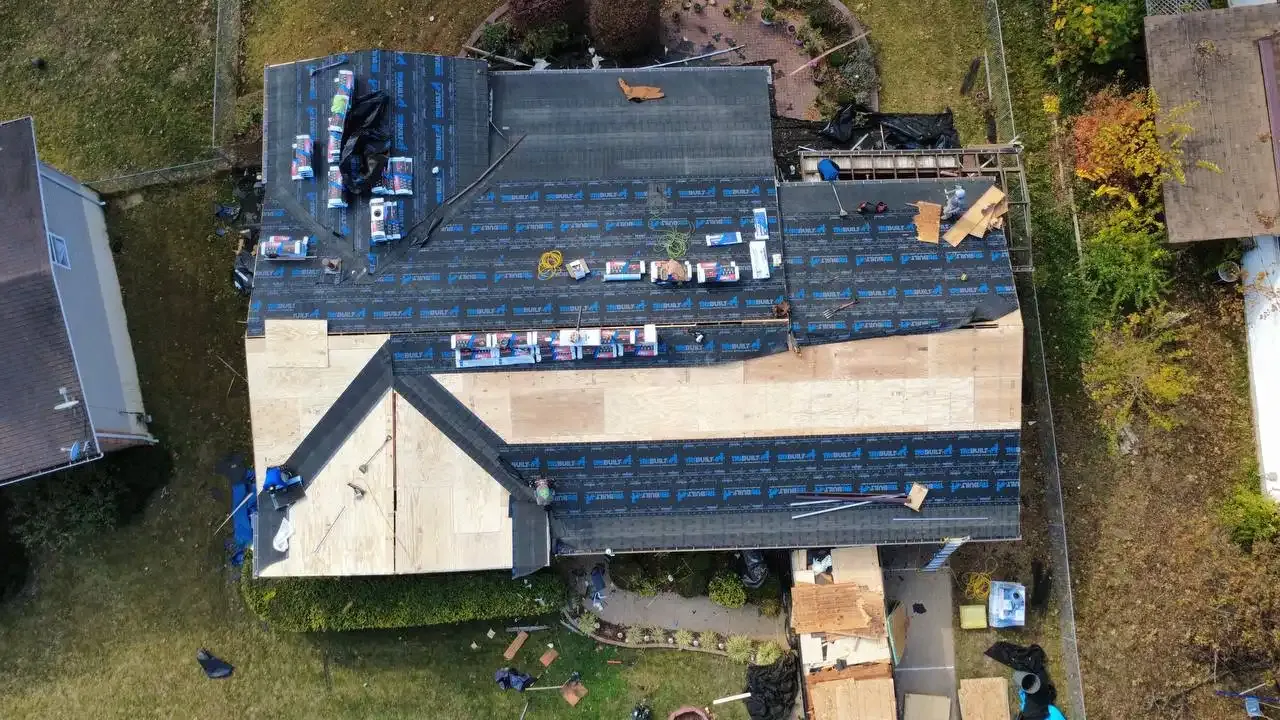
Why Small Roof Leaks Cause Damage Long Before You See It
Roof leaks don’t usually show up as dramatic water pouring from the ceiling. Instead, water works its way into hidden areas of your home—behind drywall, into insulation, along rafters, and through ceiling cavities.
Water follows the path of least resistance, which is why the stain you see often isn’t anywhere near the actual source of the leak. By the time discoloration appears, moisture may have been present for weeks or even months.
During that time, wood slowly begins to rot, fasteners corrode, underlayment breaks down, and roof decking weakens. None of this is visible from your living room, which is why homeowners are often shocked by how much damage is uncovered during a professional inspection.
Roofers sometimes call moisture “the silent home killer” for a reason—it works quietly and expensively.
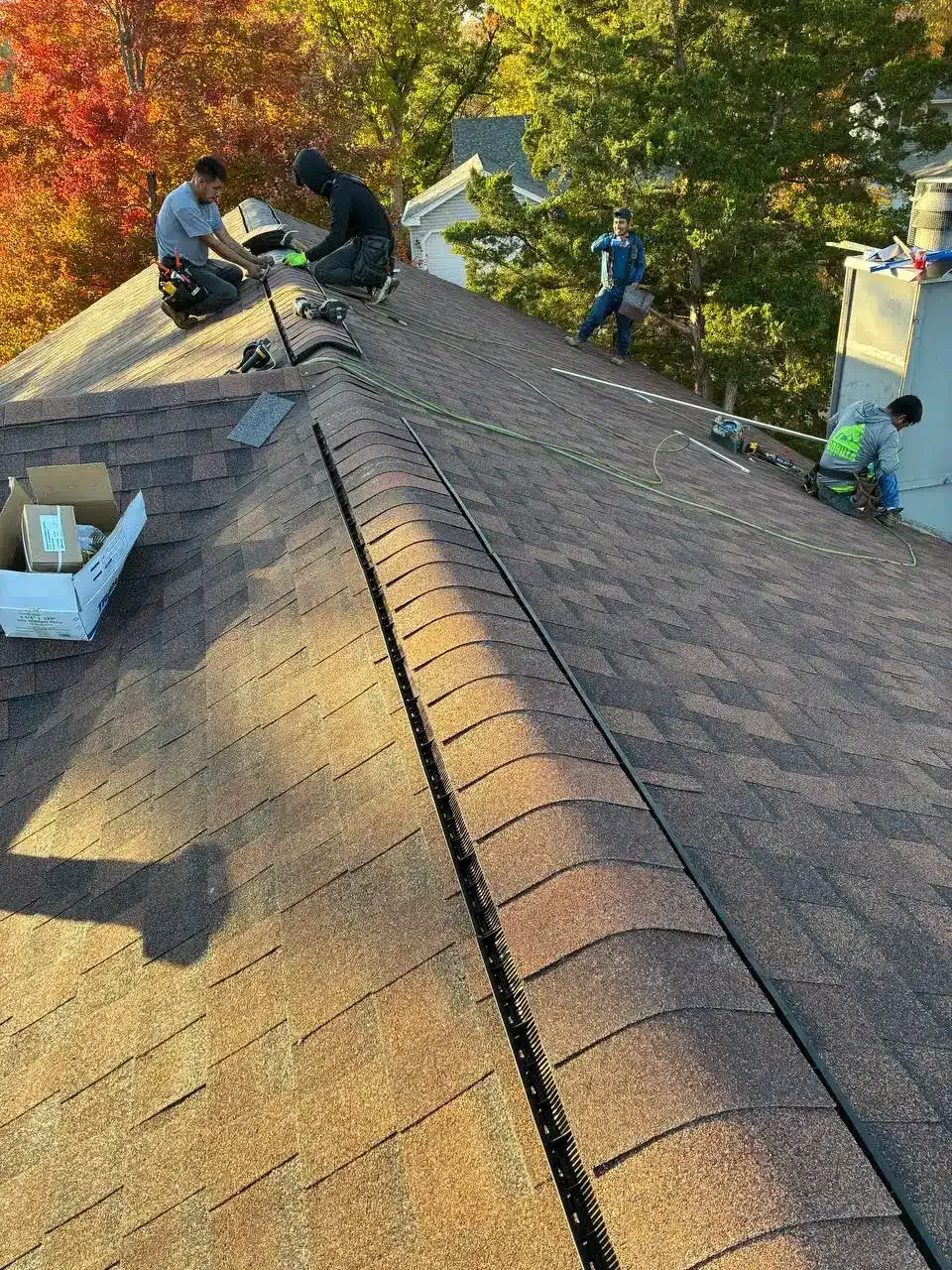
How the Cost of a Leak Grows the Longer You Wait
Many homeowners delay repairs because they assume fixing a leak will be expensive. Ironically, that delay is what makes it expensive.
Early on, repairs are usually straightforward—replacing a shingle, resealing flashing, or addressing a small localized issue. When leaks are ignored, however, water spreads beyond the roof system and into the structure of the home.
At that point, repairs often expand to include damaged plywood, compromised insulation, interior drywall repairs, and sometimes even flooring. What could have been a minor maintenance item turns into a restoration project involving multiple trades.
The difference between fixing a leak early and fixing it late is often the difference between hundreds of dollars and tens of thousands.
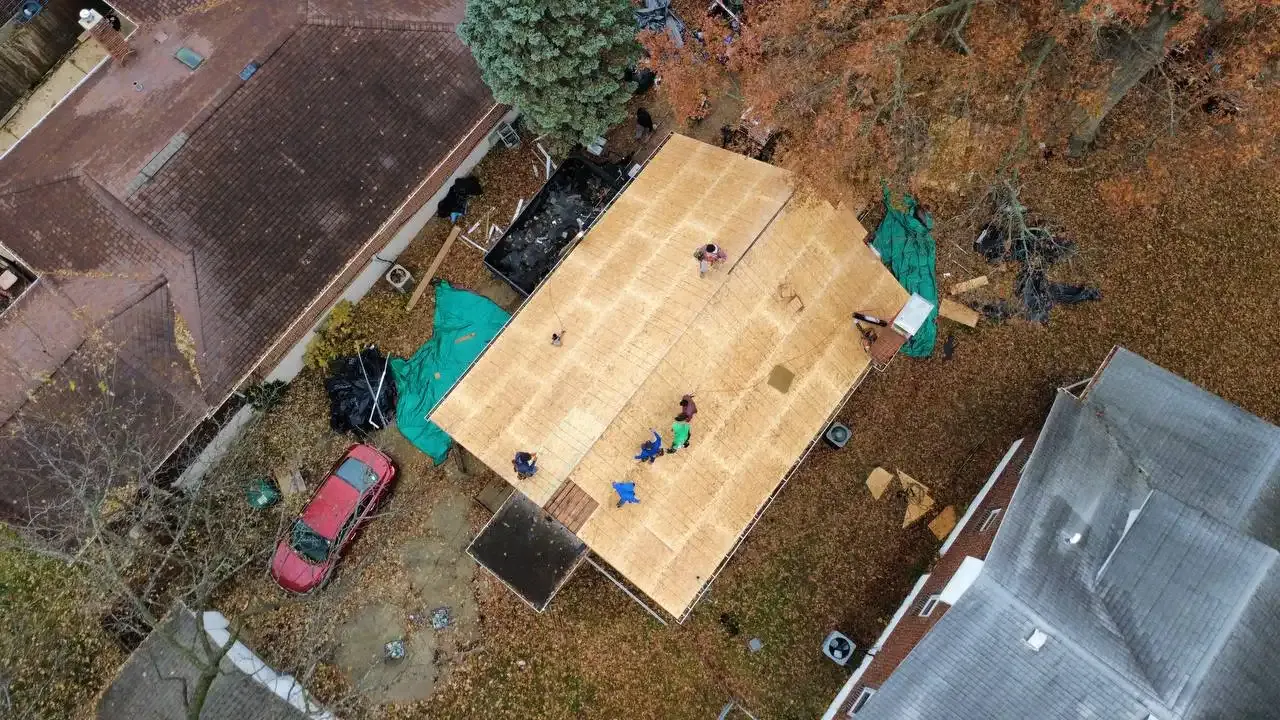
Mold Can Begin Growing Within Days
One of the most serious risks of a small roof leak is mold growth. Attics, wall cavities, and insulation provide the dark, warm, and undisturbed environment mold needs to thrive.
According to the EPA, mold can begin forming within 24 to 48 hours when moisture is present. Once it starts, it doesn’t stay contained. It spreads into surrounding materials and can affect indoor air quality throughout the home. https://www.epa.gov/mold/brief-guide-mold-moisture-and-your-home
Mold remediation alone can cost thousands of dollars, and insurance often won’t cover it if the moisture issue was caused by delayed maintenance. Beyond the financial impact, mold exposure can trigger respiratory issues, allergies, headaches, and asthma symptoms—especially for children and older adults.
Wet Insulation Quietly Drives Up Energy Costs
Insulation is designed to trap air, not water. Once it becomes wet, it compresses, loses its insulating value, and often never fully recovers.
That means your HVAC system has to work harder to keep your home comfortable. Over time, homeowners notice higher heating and cooling bills, uneven temperatures between rooms, and drafty living spaces. Wet insulation also becomes another breeding ground for mold, compounding the issue.
Replacing insulation is costly, but continuing to heat and cool a home with compromised insulation costs even more in the long run.
Roof Leaks Can Hurt Your Home’s Value
Even small leaks leave a paper trail when it comes time to sell. Home inspectors are trained to spot signs of past or present moisture issues, and water damage is one of the fastest ways to raise red flags for buyers.
Unresolved leaks—or evidence that they were ignored—can lead to lower offers, tougher negotiations, and reduced appraisals. Even when repairs have been made, lingering stains, warped materials, or musty odors can affect buyer confidence.
In real estate, the phrase “previous water damage” almost always works against you.
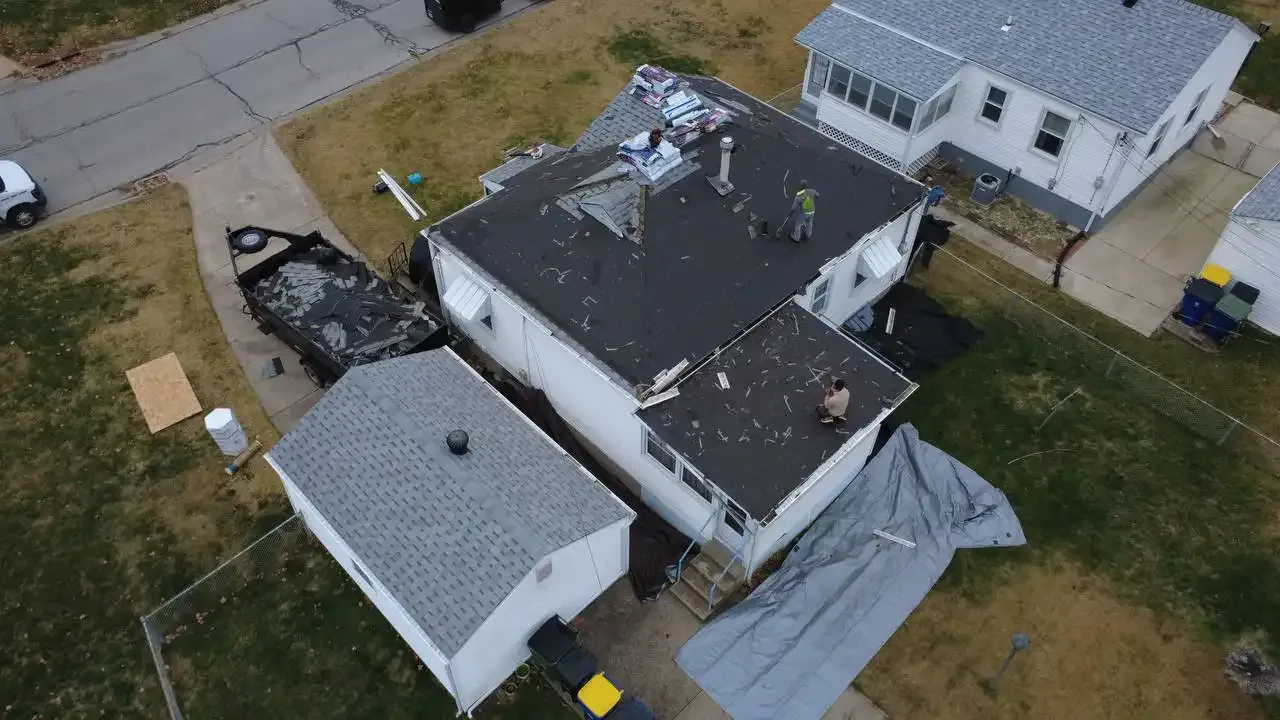
Delayed Repairs Can Void Warranties and Insurance Coverage
Many roofing material manufacturers require timely maintenance and repairs to keep warranties valid. If an inspection shows that damage spread because a leak was ignored, warranty coverage may be denied.
Insurance companies take a similar stance. Claims are often rejected when adjusters determine the damage resulted from neglect or deferred maintenance. Waiting too long can lead to partial payouts—or no coverage at all.
Addressing leaks early protects more than just your roof; it protects your financial safety net.
When a Leak Grows Beyond the Roof, Restoration Is Required
Once water reaches interior systems—ceilings, walls, floors, or insulation—the scope of work expands significantly. Roofing alone is no longer enough.
At that point, professional restoration may involve drying the structure, treating mold, replacing drywall and insulation, repairing flooring, repainting, and addressing lingering odors. This is where homeowners see repair bills climb into five-figure territory.
What started as a drip becomes a full-home disruption.
Why Waiting Never Makes Roof Leaks Easier or Cheaper
There’s no scenario where a roof leak improves on its own. Waiting allows damage to spread, increases labor and material costs, complicates insurance claims, and raises the risk of mold and structural issues.
Even leaks that only appear during heavy storms point to an underlying problem. And Missouri weather doesn’t exactly give roofs much of a break.
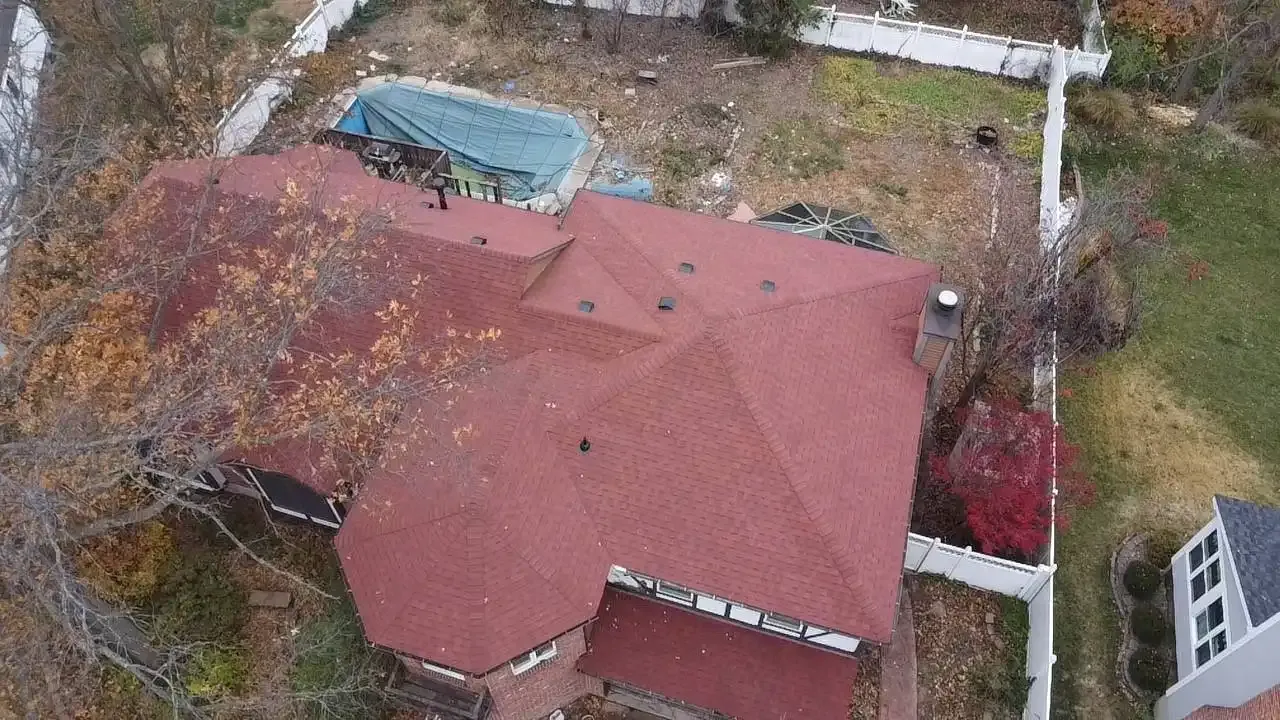
Final Thoughts: Small Roof Leaks Rarely Stay Small
Ignoring a roof leak doesn’t save money—it postpones the repair while increasing the final cost. From mold growth and energy loss to warranty issues and home value decline, the consequences add up faster than most homeowners expect.
Fixing a small leak early is one of the smartest financial decisions you can make as a homeowner.
If you’ve noticed a stain, a drip, a suspicious shingle, or a musty attic smell, now is the time to address it —before the next Missouri storm turns a small issue into a major repair.