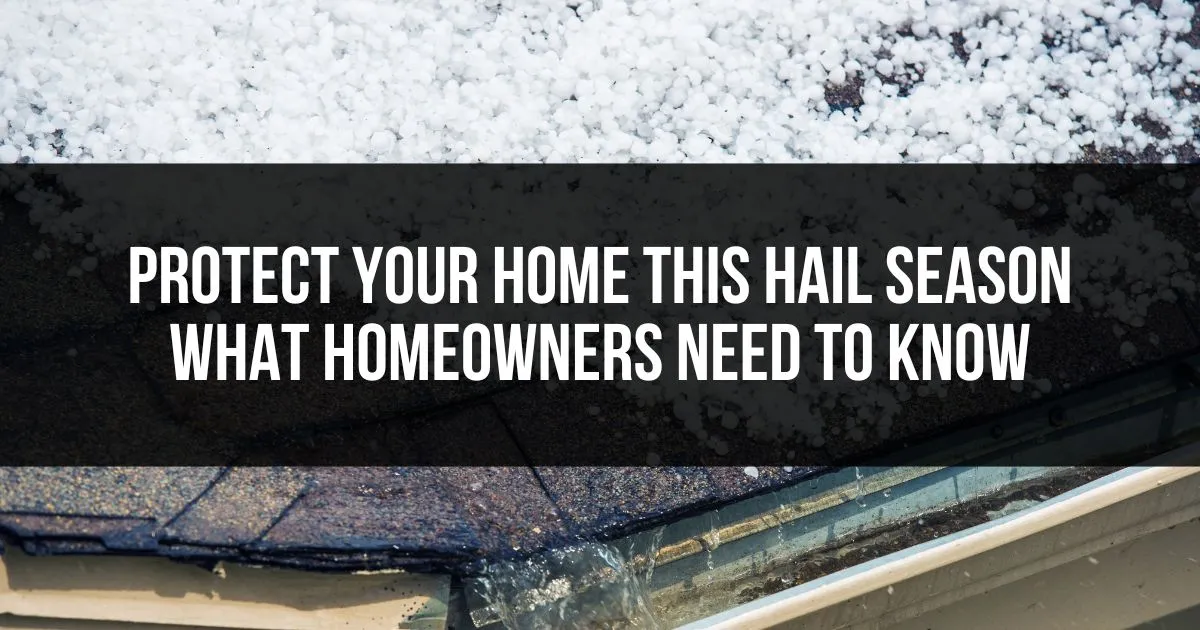
The storm passed. The sky is clear. Your neighbor is standing in the driveway staring at his car, and you're standing in yours staring at your roof. Now what?
The first 48 hours after a hail event are the window that matters most. What you do in this stretch determines how smoothly your insurance claim goes, whether you're protected from further damage, and whether you end up working with someone you actually trust or some stranger who showed up with a clipboard two hours after the storm.
Here's the honest rundown, step by step.
Step One: Stay Off the Roof and Look From the Ground
Right after a storm is not the time to grab a ladder. Wet decking, wet shingles, and post-storm adrenaline are a bad combination. You can gather a lot of useful information from the ground and from inside your home.
Walk the perimeter of your house. Look for shingle granules washing out of your downspouts or piled up in your gutters. Check for dents in your gutters, your AC unit, your window screens, and any painted wood surfaces. These are easy-to-see clues that hail was large enough and dense enough to do real damage. If your gutters look like someone attacked them with a ball-peen hammer, your shingles noticed too.
Inside, check your attic if you can get there safely. Look for daylight, wet insulation, or fresh water stains on the sheathing. You don't need to find a waterfall to have a problem worth documenting.
Step Two: Document Everything Before Anyone Touches Anything
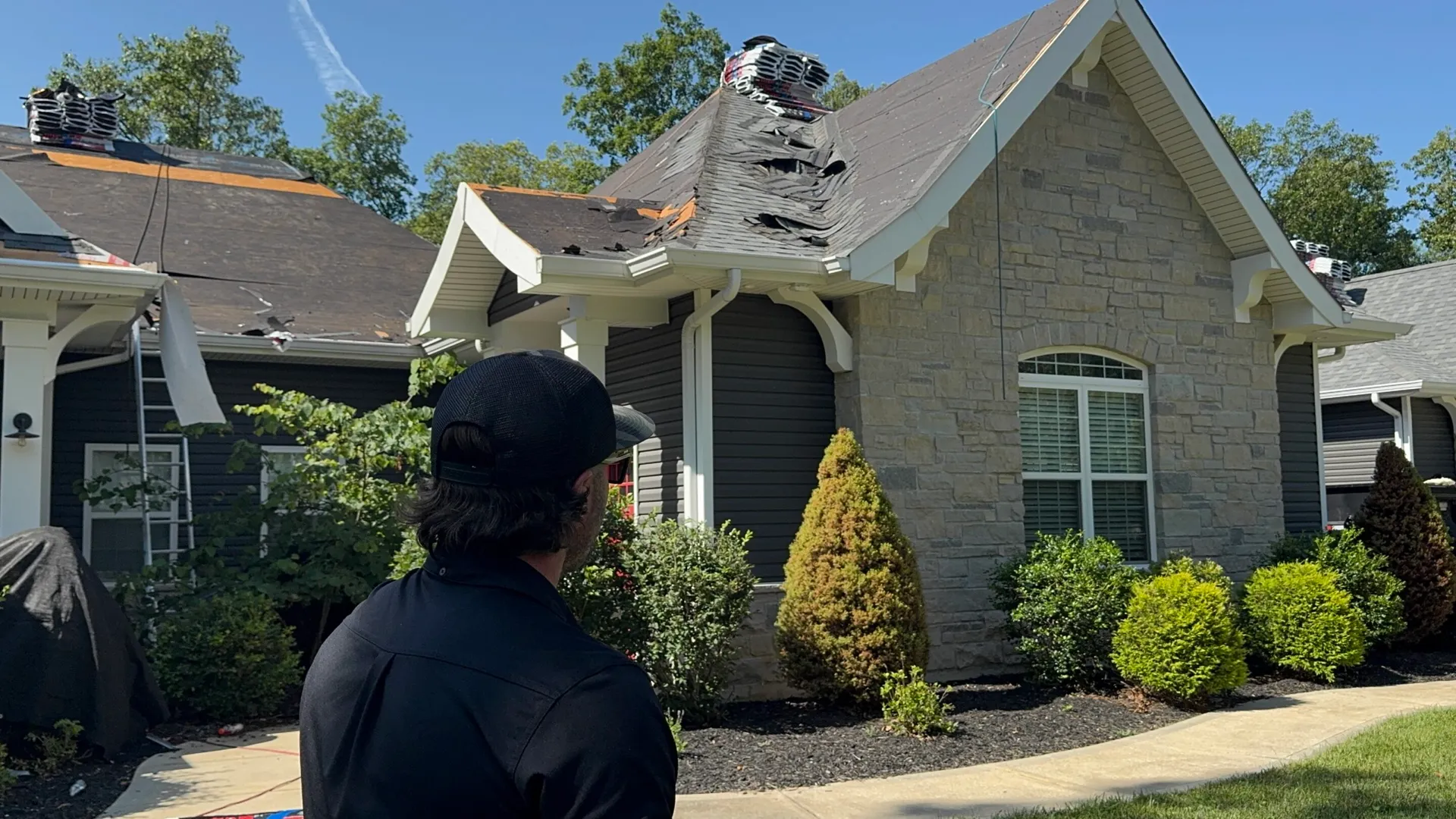
Your phone is your best tool right now. Take photos of everything you can see from the ground: gutters, downspouts, siding, AC unit, window screens, and any visible shingle damage on lower slopes. Date-stamp them if your camera app doesn't do it automatically.
Check the official hail reports from the National Weather Service Storm Events Database or a free app like Weather Underground to verify hail size and timing for your area. Note the date, time, and reported hail size. This information will matter when you call your insurance carrier, and having it ready makes you sound like someone who did their homework rather than someone who panicked.
Insurance adjusters work from dates and documentation. The more you have ready before anyone shows up, the less room there is for your claim to get minimized.
If there is any interior damage, photograph that too. A wet ceiling, a stained rafter, a soggy box of holiday decorations in the attic. All of it counts.
Step Three: Tarp Any Active Leak Areas
If water is actively getting in, you have a duty to mitigate. That's insurance language for: don't let more damage happen while you wait for the claim process to play out. A basic tarp from the hardware store, weighted or secured at the edges, is usually enough to buy you time.
Keep the receipts for anything you buy to protect your home. Tarps, screws, plastic sheeting. Those costs can often be included in your claim. A photo of the tarp in place, with a timestamp, is worth more than a paragraph of explanation.
If the damage is extensive or the roof pitch is steep, call a contractor to handle emergency tarping rather than climbing up yourself. Our storm damage repair team handles this regularly and can get out quickly after major storm events in the St. Louis area.
Step Four: Call Your Insurance Carrier, Not the Guy at Your Door
Within a few hours of any major hail event, you will likely hear a knock at your door. The person standing there will have a polo shirt, a clipboard, and a very friendly smile. They will offer to file your claim for you, look at your roof for free, and possibly hand you something to sign right there on your doorstep.
Do not sign anything.
These are storm chasers. They follow severe weather events from state to state, knock on doors in affected neighborhoods, and collect assignments of benefit before homeowners fully understand what they are agreeing to. Signing an assignment of benefits document can transfer control of your claim to a contractor you know nothing about. Once that happens, you have very little say in how the work gets done or what materials get used.
A legitimate local contractor will never pressure you to sign something before your adjuster has even seen your roof. If someone is in a hurry to get your signature, that is the reason to slow down.
Call your insurance company directly. Report the storm event, provide the date and the hail size you documented, and ask what their timeline looks like for scheduling an adjuster visit. Most carriers have a 24-hour claims line. Get a claim number. Write it down.
Step Five: Schedule an Independent Inspection With Someone You Choose
Before your adjuster arrives, or at minimum before you accept any settlement offer, get an inspection from a roofing contractor you selected yourself. A good inspector will get on the roof, walk every slope, photograph what they find, and show you the results before telling you what it means.
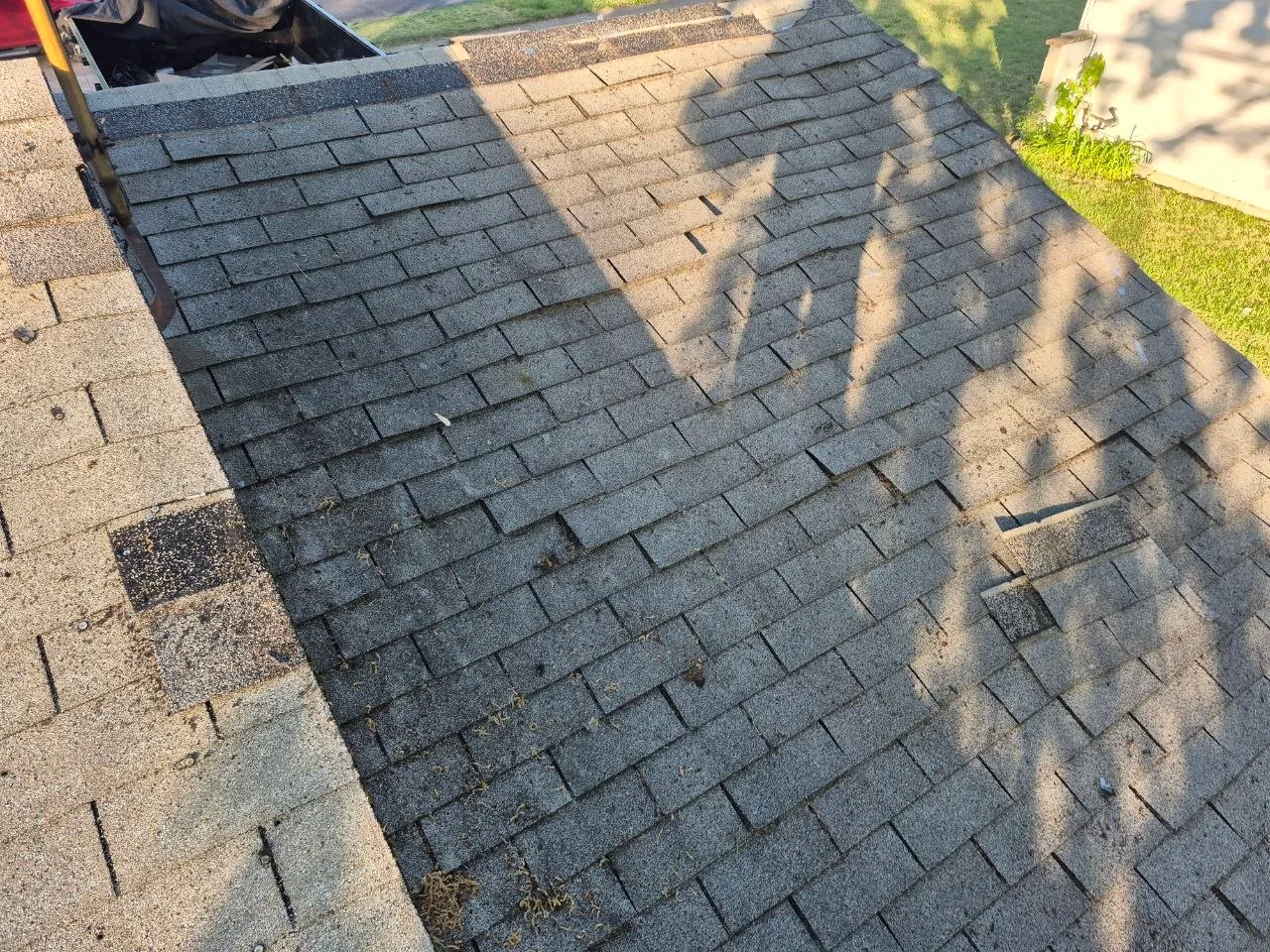
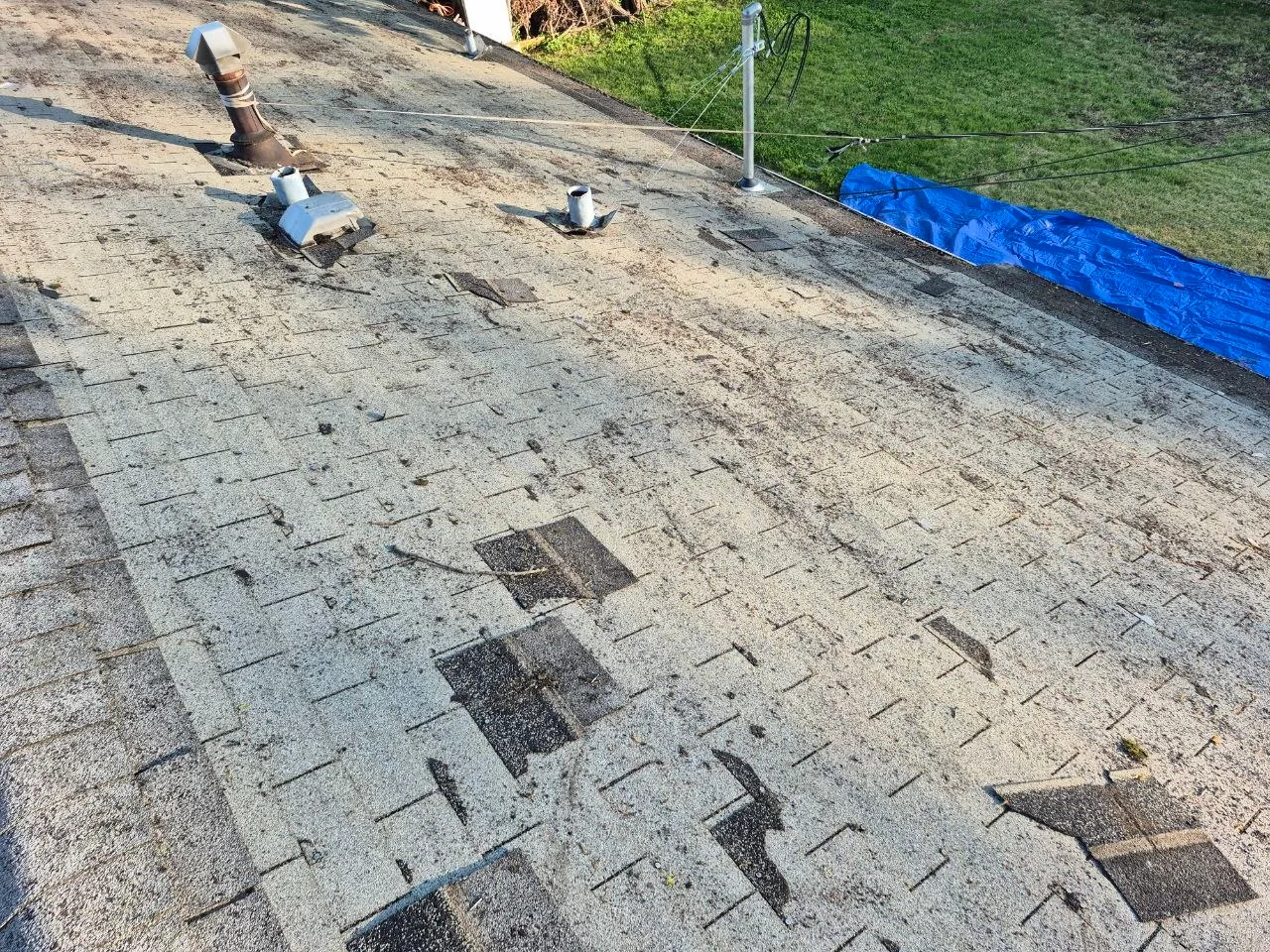
Hail damage is not always obvious from the ground. Impact marks on shingles can look like simple surface scuffs, but underneath, the granule mat is bruised and the shingle's ability to shed water is compromised. A trained eye will catch things a quick driveway glance will miss, and so will an adjuster who is working through a long list of claims.
If your contractor finds significant damage and you have a claim open, they can be present during the adjuster's visit. That matters. Having someone in your corner who can point to specific damage areas and speak the language of roofing scopes keeps the process honest.
You have more control over this process than most homeowners realize. You get to choose who does the work, and you should choose before the insurance company tries to steer you somewhere.
The Short Version, If You Need It
The first 48 hours really do come down to a few decisions. Document before you do anything else. Tarp if water is getting in. Call your carrier on your own terms. Do not sign anything from someone who knocked on your door uninvited. And get an inspection from a contractor you found yourself, not one who found you.
- Walk the perimeter and photograph gutters, AC unit, siding, and any visible shingle damage
- Pull the official hail report for your address and note the date and hail size
- Tarp any active leak areas and keep receipts for materials
- Call your insurance carrier directly to open a claim and get a claim number
- Do not sign anything presented by an unsolicited contractor
- Schedule an independent inspection with a local contractor you chose yourself
If you are in the St. Louis metro and a storm just rolled through, our team is ready to help. We can inspect your roof, document the damage with photos, and sit in on your adjuster visit if needed. Start with our storm damage repair page to get scheduled.