A denied roof claim feels final. It isn't. The letter says no, but a denial is the start of a conversation, not the end of one. Insurance companies say no for all kinds of reasons, and a good number of those reasons fall apart the moment you push back with the right paperwork.
We've sat in on hundreds of these claims across the St. Louis metro. Plenty of denials get reversed. Some get supplemented for thousands more than the first offer. The homeowners who win are the ones who treat the denial like a problem to solve instead of a door slammed shut.
Here's how to do that, step by step.
First, Read The Denial Letter Like A Map
Every denial letter has to state a reason. That reason is your starting point. Don't skim it. The wording tells you exactly what you're up against and what evidence will turn it around.
The most common denial reasons we see:
- Damage was ruled "wear and tear" or "age," not storm-related
- The damage came in under your deductible
- The adjuster says there's no evidence of a covered event like wind or hail
- A maintenance or pre-existing condition exclusion was cited
- Paperwork was filed late or missing required documentation
Each of these has a different counter. A "wear and tear" ruling is beaten with photos and a date-stamped storm report. A "came in under deductible" denial is beaten with a complete scope that the adjuster missed. Match your evidence to their stated reason and you're already ahead of most people.
If the denial letter doesn't give a clear, specific reason, that's a problem for them, not you. You can request a written explanation, and they have to provide one.
Get Your Own Inspection On Record
The adjuster who denied your claim spent maybe twenty minutes on your roof. They were looking for reasons to limit the payout, and they often miss damage, especially the kind that's easy to write off as old. You need a second set of eyes that knows what storm damage actually looks like.
A real inspection means someone walks every slope, photographs every hit, and documents the pattern. Hail damage has a signature. So does wind. A roofer who handles claims can tell the difference between a granule loss bruise from a hailstone and the normal aging of an asphalt shingle, and more importantly, can prove it on paper.
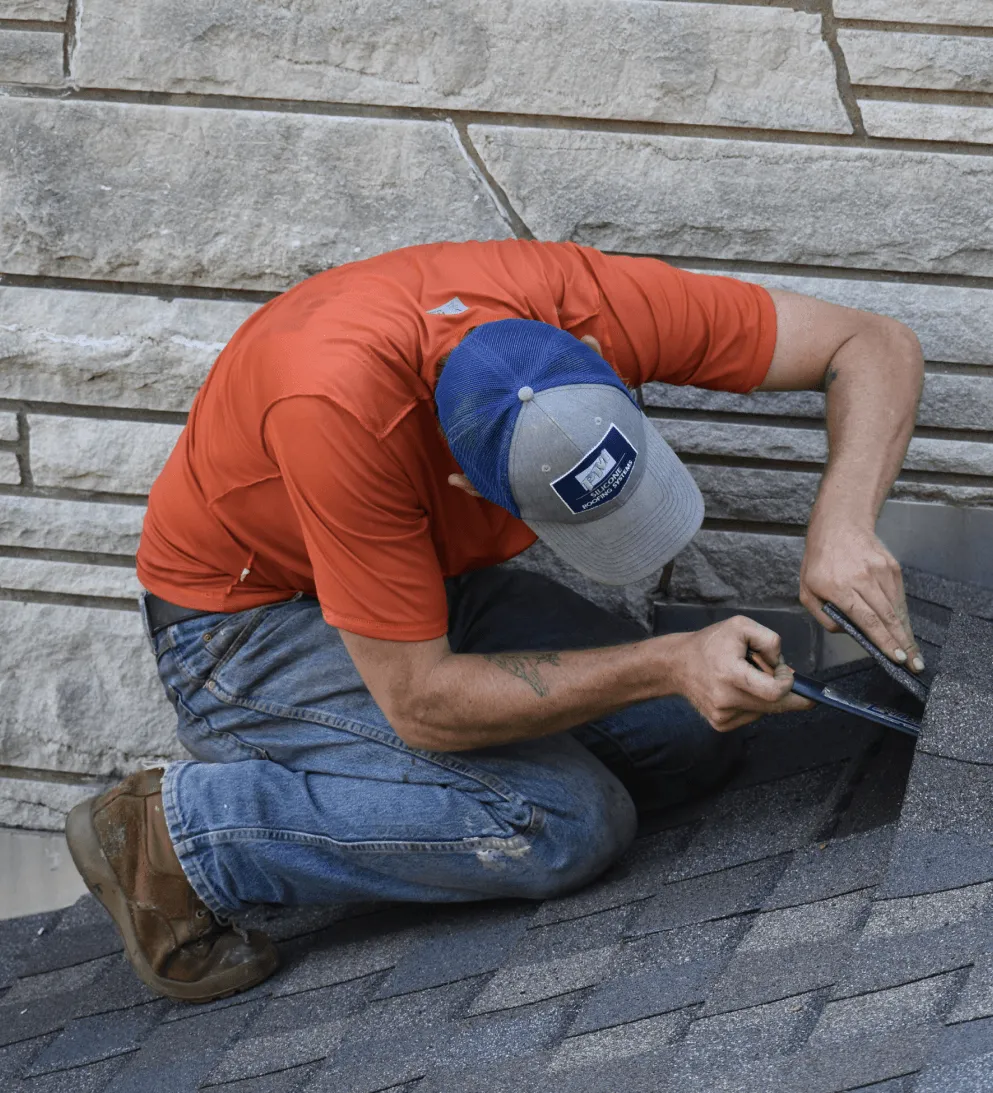
When we inspect for a denied claim, we shoot photos of everything: the bruised shingles, the dented vents and gutters, the soft metal hits on the chimney cap. Collateral damage on metal surfaces is huge, because metal doesn't age the way shingles do. A dented gutter or a pockmarked vent is hard for any adjuster to call "wear and tear."
Our storm damage repair team does this inspection at no cost and gives you the photo report whether or not you hire us. That report becomes the backbone of your appeal.
Understand The Difference Between An Appeal And A Supplement
These two words get used like they mean the same thing. They don't, and knowing which one you need saves you time.
An appeal challenges a full denial. The insurer said no to the whole claim, and you're asking them to reverse that decision with new evidence.
A supplement adds to an approved claim. The insurer said yes but lowballed the scope, and you're asking them to pay for items they left out: missing flashing, code-required ice and water shield, extra layers of decking, drip edge, and so on. Supplements are where a lot of money lives, because first estimates almost always come in short.
If your claim was denied outright, you're filing an appeal. If it was approved but the check won't cover a proper job, you're filing a supplement. Sometimes you do both in sequence. Our insurance-claims team handles either one.
Build The Appeal Package
An appeal isn't an angry phone call. It's a tidy package of evidence that makes it easy for the insurer to say yes. The more organized it is, the harder it is to ignore.
Here's what goes in it:
- A written appeal letter that names your claim number and responds directly to the denial reason
- Date-stamped photos of all damage, including collateral metal damage
- A third-party inspection report from a licensed roofer
- A storm report or weather data confirming a covered event hit your address on a specific date
- Your original policy pages showing the relevant coverage
- A line-item estimate matching local material and labor pricing
Weather verification matters more than people think. Services like NOAA and reputable hail-tracking maps can confirm hail of a damaging size fell on your zip code on a given day. When the adjuster claims "no storm event," a dated weather record at your exact location ends that argument fast.
Why was my neighbor approved and I wasn't? Same storm, same street, two different adjusters. That inconsistency is your strongest argument. Document it.
Know Your Rights And Your Deadlines
Your policy is a contract, and it cuts both ways. You have a right to a clear reason for denial, a right to appeal, and in most cases a right to request a second inspection or a different adjuster. Read your policy's claims section so you know the clock you're working against.
Most policies give you a window to dispute, often a year or more from the date of loss, but don't lean on that. The fresher the damage and the documentation, the stronger your case. File the appeal as soon as your package is ready.
If the insurer still won't budge after a well-documented appeal, you have escalation options. You can request appraisal, an out-of-policy process where each side hires an appraiser and a neutral umpire settles the difference. You can file a complaint with the Missouri or Illinois Department of Insurance. And you can consult a public adjuster or attorney. Most claims never get that far, but it's good to know the road keeps going.
Why Going It Alone Usually Costs More
You can absolutely run an appeal yourself. Plenty of homeowners do. But the ones who get the best results almost always have a roofer who speaks the insurance language standing next to them.
Here's the honest reason: adjusters and contractors use the same estimating software and the same pricing databases. When your roofer writes a scope in that language, with the same line items and local price modifiers, the insurer can't wave it off. It's an apples-to-apples conversation instead of a homeowner pleading against a professional.

We sit in on adjuster re-inspections, point out what got missed, and write the supplement so the final payout actually covers a complete, code-compliant roof. We don't get paid more for a bigger claim. We get paid to do the roof right, and a fair claim is what makes that possible.
A denied claim is not a dead claim. Read the letter, get a real inspection, build the package, and push back with evidence. If you're in the St. Louis metro or across the river in Illinois and you've got a denial letter on the kitchen table, bring it to us. We'll tell you straight whether it's worth appealing, and we'll do the heavy lifting if it is.