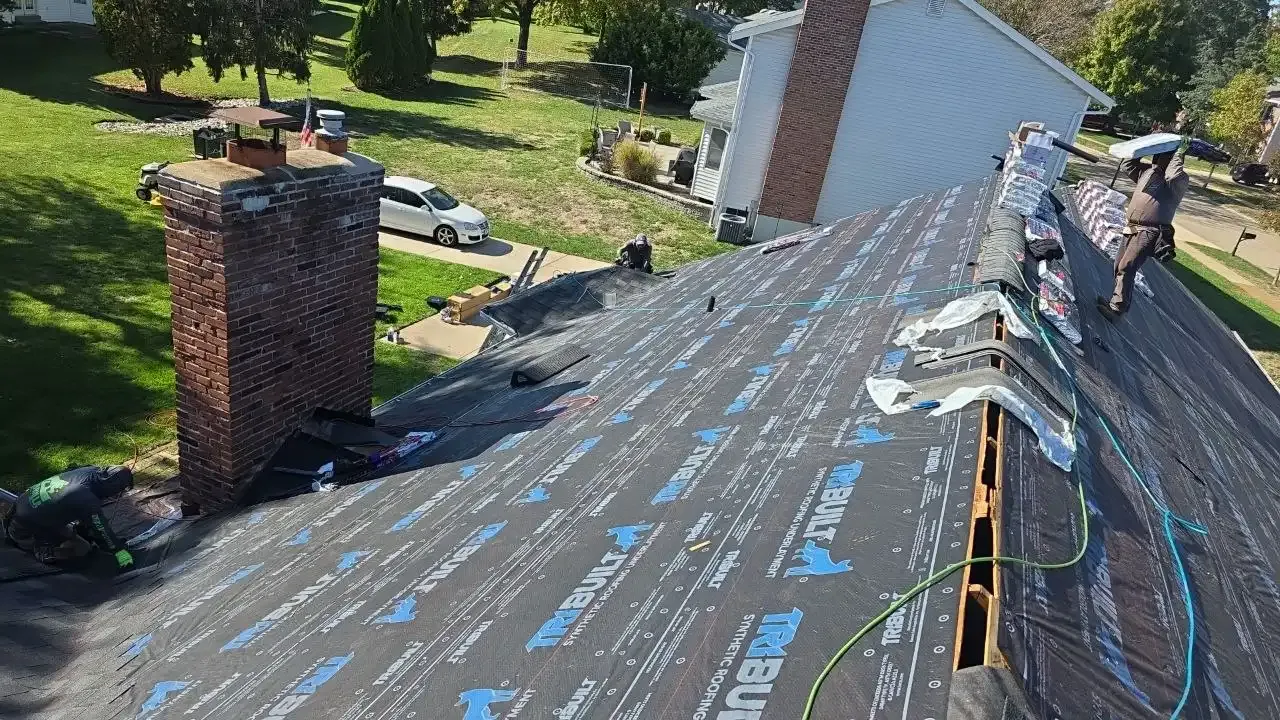
Late winter is a strange time for homeowners. The worst cold feels like it’s behind you. Snow isn’t piling up anymore. Spring is almost in sight. And then, out of nowhere, a water stain appears on the ceiling or a drip shows up in the attic.
This catches people off guard because nothing dramatic just happened. No big storm. No obvious damage. Just a leak that suddenly decided to exist.
If you’ve ever wondered why roof leaks seem to show up in late winter — not during the coldest part of the season — you’re not imagining things. There are real reasons this timing is so common, especially in Missouri.
Late Winter Is When Roofs Finally Give Up
Roofs don’t usually fail during the first snow or the coldest night of the year. They fail after weeks (or months) of stress.
By late winter, your roof has already been through:
- Freeze-thaw cycles
- Snow sitting and melting repeatedly
- Ice forming and breaking loose
- Wind events that lifted shingles just enough to matter
- Long periods of trapped moisture in the attic
Think of it like bending a paperclip. It doesn’t snap on the first bend. It snaps after repeated stress.
Late winter is when small issues finally cross the line from “barely holding on” to “now it leaks.”
Melting Snow Exposes Weak Spots That Ice Hid
During the coldest part of winter, ice actually masks some problems. Snow stays frozen. Water doesn’t move much. Everything is locked in place.
Late winter changes that.
Daytime temperatures rise above freezing, even if nights are still cold. Snow melts during the day and refreezes overnight. Water starts flowing instead of sitting still — and that’s when it finds weaknesses.
A shingle that was lifted slightly by wind in January might not leak when everything is frozen. In late winter, melting snow can slip right underneath it.
That’s often the moment homeowners notice the first signs of trouble.
Ice Dams Start Working Against You
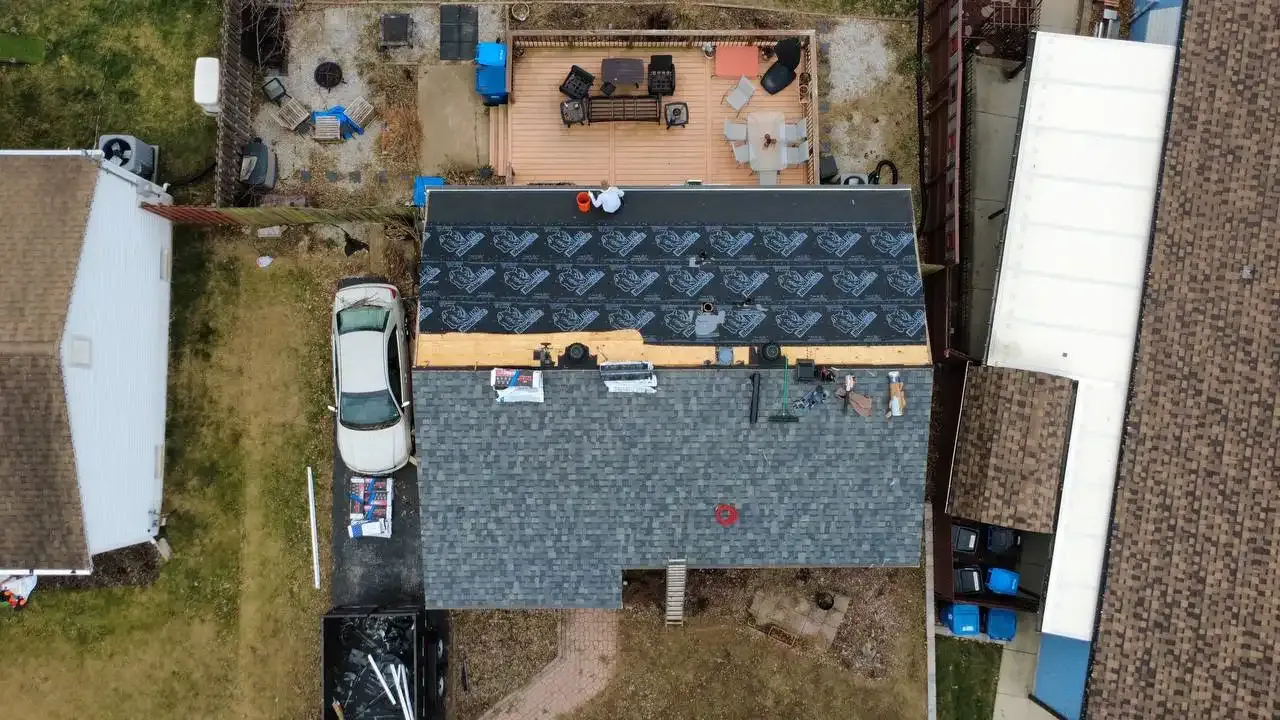
Ice dams don’t usually form overnight. They build gradually. As snow melts higher on the roof and refreezes near the edges, ice thickens along the eaves. That ice blocks proper drainage. Meltwater backs up instead of running off. Late winter is when ice dams are usually at their worst — thick, heavy, and stubborn. When water can’t drain, it looks for another path. Unfortunately, that path is often under shingles and into the house. This is why leaks often appear after the worst snow, not during it.
Warm Air Inside the Home Is a Bigger Factor Than Snow
One of the most misunderstood causes of late-winter leaks is heat coming from inside the house. Your home is warm all winter long. That warm air rises into the attic. If ventilation isn’t doing its job, that heat warms sections of the roof from below. Now combine that with melting snow above, and you’ve got water moving where it shouldn’t. Late winter magnifies this problem because indoor heat stays constant while outdoor temperatures fluctuate. Roofs experience more temperature swings in late winter than during deep freeze.
That combination is hard on seals, flashing, and older shingles.
Flashing and Seals Are Usually the First to Fail
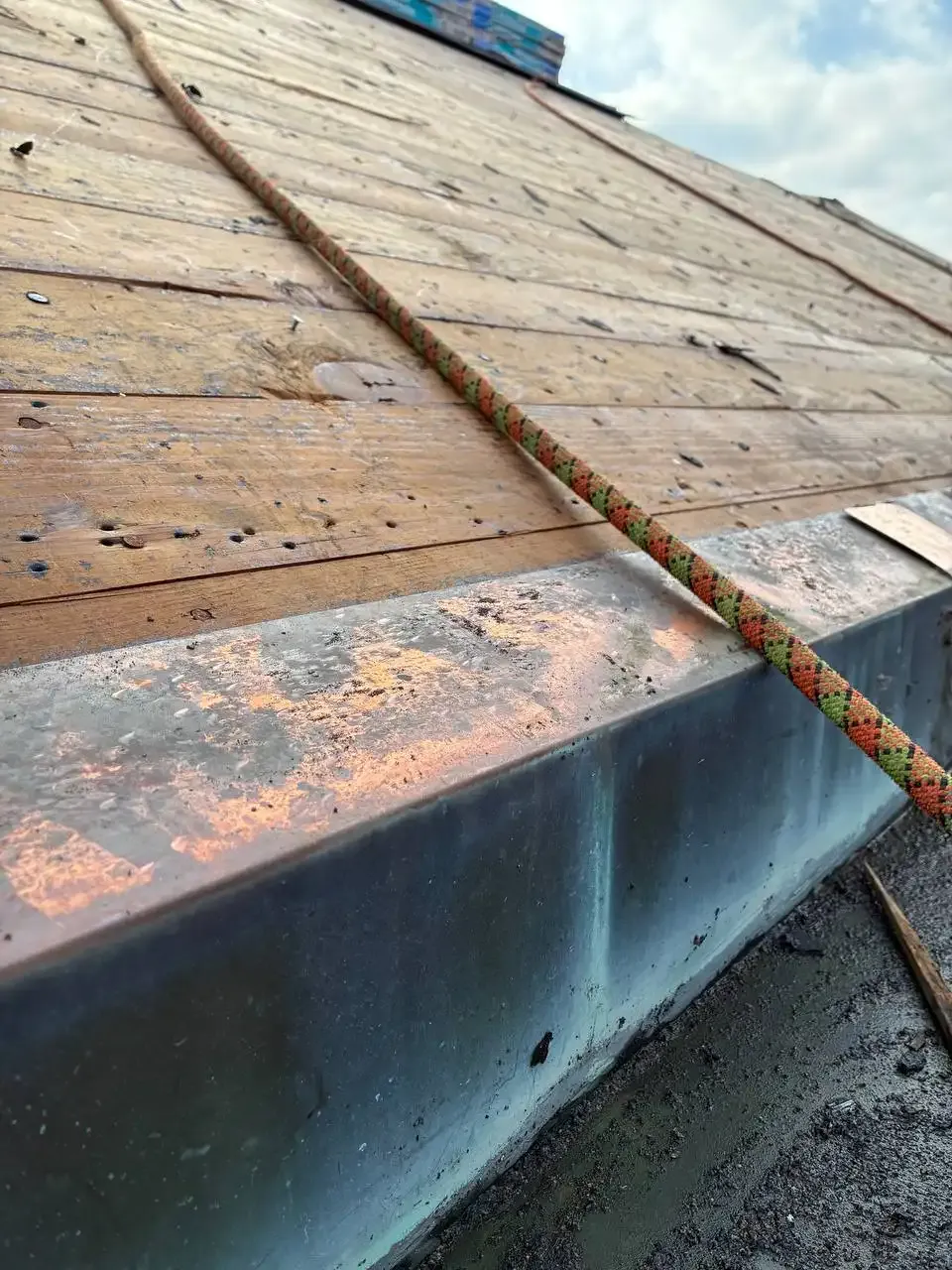
When we inspect late-winter leaks, the issue is rarely a giant hole in the roof. It’s usually something subtle. Flashing around chimneys, vents, and skylights expands and contracts all winter. Sealants dry out. Small cracks open. Nails back out slightly. These areas are designed to keep water out — but they rely on tight seals. Once water starts flowing again in late winter, even tiny gaps can let moisture through.
That’s why leaks often show up near:
- Chimneys
- Bathroom vent pipes
- Skylights
- Valleys where roof sections meet
None of these spots look dramatic from the ground, which makes late-winter leaks feel especially confusing.

Attics Are Quietly Collecting Moisture All Winter
By the time a ceiling stain appears, the attic has often been dealing with moisture for weeks.
Warm, moist air rises from the living space into the attic. If ventilation is limited, that moisture lingers. It can condense on cold surfaces and soak into insulation or decking.
Late winter is when this hidden moisture finally becomes visible. Insulation gets saturated. Wood stays damp longer. Mold has time to start forming.
The leak you see might not be the start of the problem — it’s just the first sign you can see.
Why Late-Winter Leaks Feel “Sudden”
Homeowners often say, “It just started leaking out of nowhere.”
What actually happened is this:
- A small weakness existed before winter
- Cold temperatures slowed water movement
- Ice masked the issue
- Late-winter thaw allowed water to travel
- The roof finally crossed its limit
The roof didn’t suddenly fail. It finally ran out of margin.
What to Check First When a Late-Winter Leak Appears
The instinct is to panic. That’s understandable. Water inside the house does that. The smarter move is to start with an inspection before damage spreads. Late-winter leaks often look worse than they are if they’re addressed quickly.
Professional inspections focus on areas that fail during freeze-thaw cycles, not just missing shingles. That includes ventilation, flashing, attic moisture, and ice-dam damage.
This is where early action saves money.
Why Temporary Fixes Often Make Things Worse
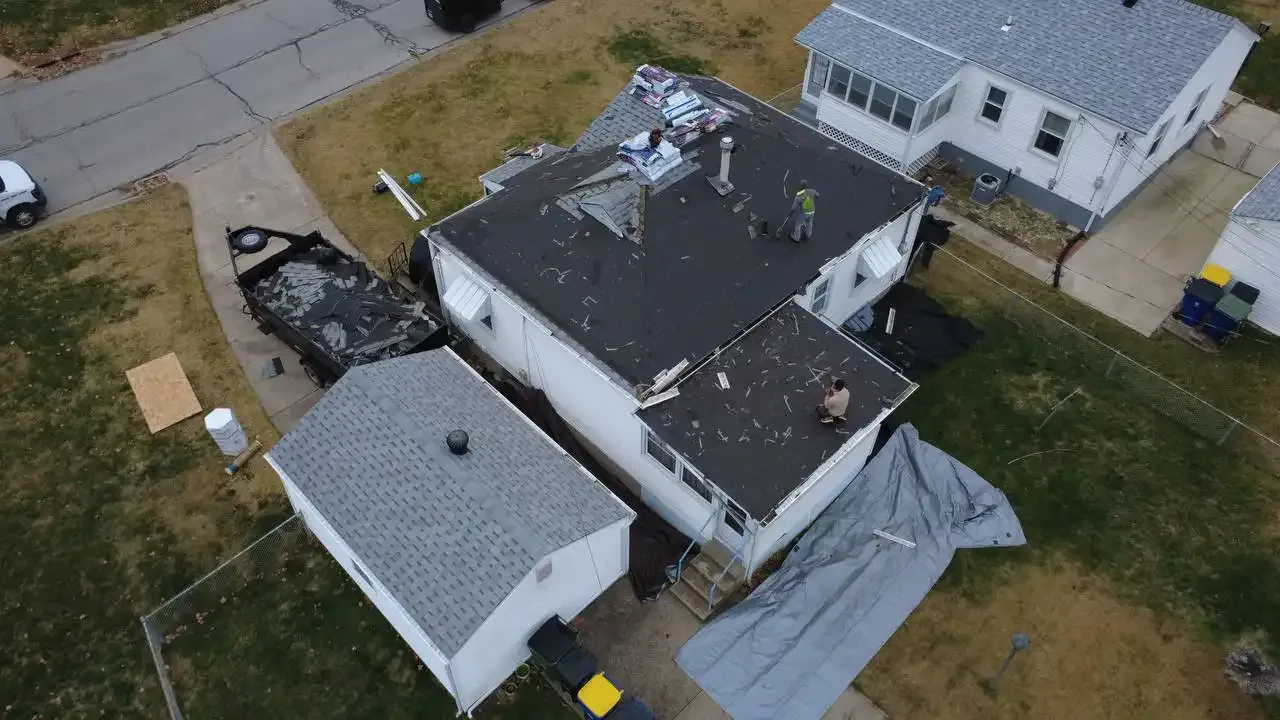
Late winter is not the time for DIY roof repairs. Cold shingles don’t seal properly. Temporary patches can trap moisture. Walking on icy or thawing roofs is dangerous. Many late-winter “fixes” actually push water into new areas or damage shingles further. That turns a manageable repair into a bigger one.
If a leak shows up, controlling interior damage is step one. Fixing the roof properly is step two — once conditions allow.
When a Late-Winter Leak Becomes a Bigger Repair
Some late-winter leaks are isolated. Others reveal deeper issues that were already developing.
If leaks are tied to ice dams, poor ventilation, or widespread seal failure, repairs may need to address more than one area of the roof. Ignoring the root cause often means the leak comes back next winter.
This is where repair experience matters.
Why Missouri Homes See This More Than Other Areas
Missouri’s weather is especially hard on roofs in late winter. We see frequent temperature swings, mixed precipitation, and long stretches of thaw-freeze cycles.
According to the National Weather Service – St. Louis Region , freeze-thaw patterns are common in eastern Missouri during late winter and early spring, which increases roof stress and ice-related issues: https://www.weather.gov/lsx/
That constant back-and-forth is what pushes small problems over the edge.
How to Reduce the Risk Next Winter
Late-winter leaks aren’t always preventable, but many are avoidable.
Proper ventilation, intact flashing, good insulation, and early inspections make a significant difference. Roofs that go into winter already stressed are far more likely to fail late in the season.
The goal isn’t perfection. It’s margin.
Final Thoughts: Late-Winter Leaks Are a Warning, Not Bad Luck
When a roof leaks in late winter, it’s rarely bad luck. It’s usually delayed feedback.
The roof is telling you something has been struggling for a while. Listening early gives you options. Ignoring it usually means dealing with bigger repairs later — often at the worst possible time.
If a leak has appeared, or you’re seeing signs of moisture now that winter is winding down, a professional inspection can tell you whether it’s a simple fix or a signal that something deeper needs attention.
Either way, knowing beats guessing — and it’s a lot less stressful than discovering it during the next storm.