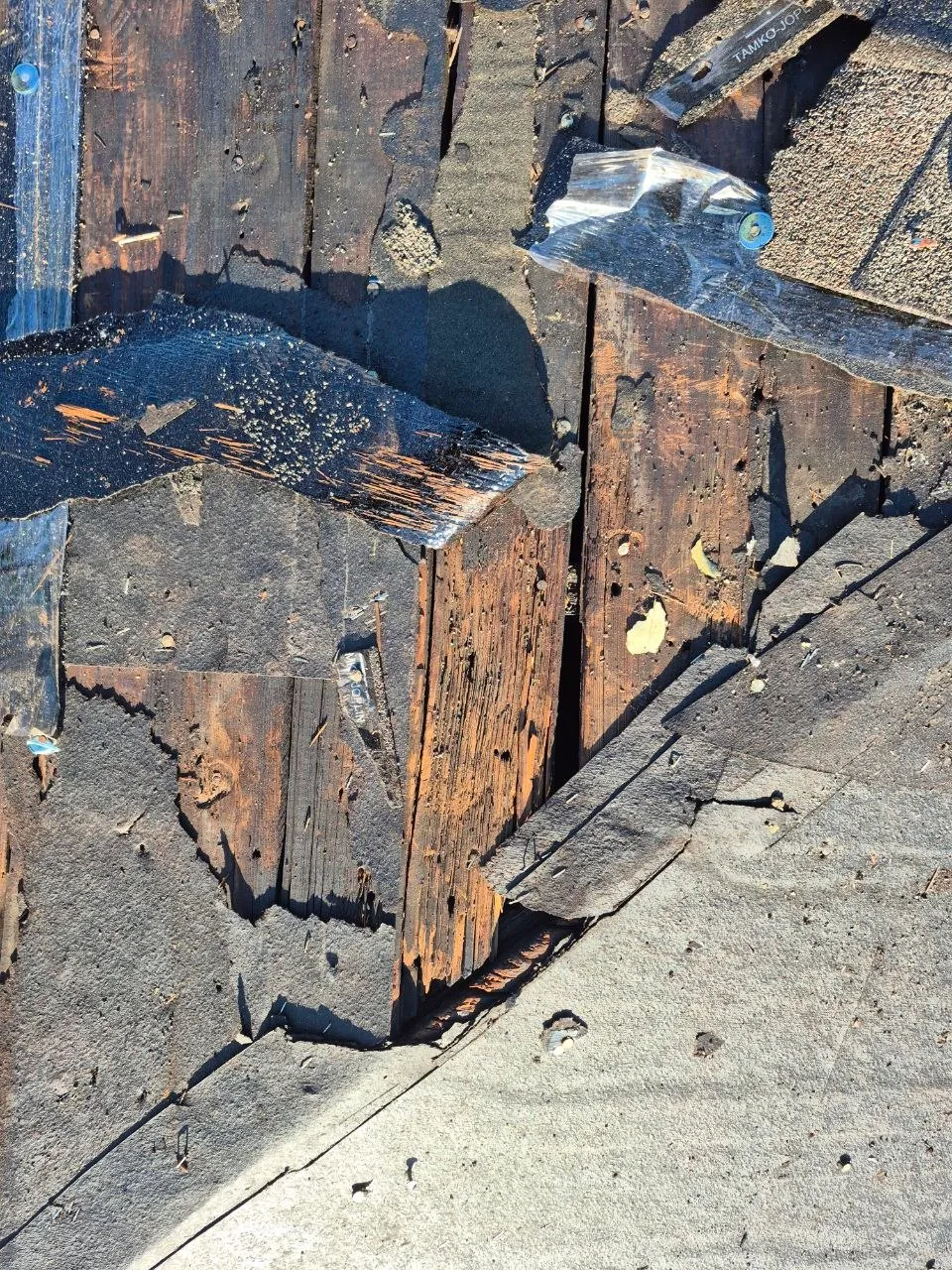
There’s a point where repairing your roof stops being the smart move and starts quietly costing you more than you realize. The problem is, most homeowners don’t recognize when they’ve crossed that line. It doesn’t happen all at once. It shows up as a series of small decisions that all feel reasonable at the time.
You fix a leak and move on. A few months later, something else pops up. Maybe a couple shingles get replaced after a storm and everything seems fine again. None of those choices feel wrong on their own, which is exactly why people stay in that cycle longer than they should. Over time, though, those repairs start to stack up, and what felt like normal maintenance turns into something closer to damage control.
Quick Reality Check
Repairing a roof feels cheaper because it spreads the cost out. But if you keep coming back to the same roof again and again, you’re not really saving money—you’re just delaying a larger expense that’s still coming.
When Age Starts to Work Against You
Every roof has a lifespan, even if it doesn’t fail in a dramatic way. Once you get into that 15–25 year range with standard shingles, the conversation starts to change. You can still fix isolated issues, but you’re no longer working with a system that’s in its prime. You’re working around materials that have already taken years of heat, storms, and wear.
This is where people hesitate. The roof isn’t completely failing, so it feels too early to replace. At the same time, it isn’t holding up the way it used to, which means problems start showing up more often. If you’re not sure where your roof actually stands, starting with a roof inspection gives you a clearer answer than guessing.
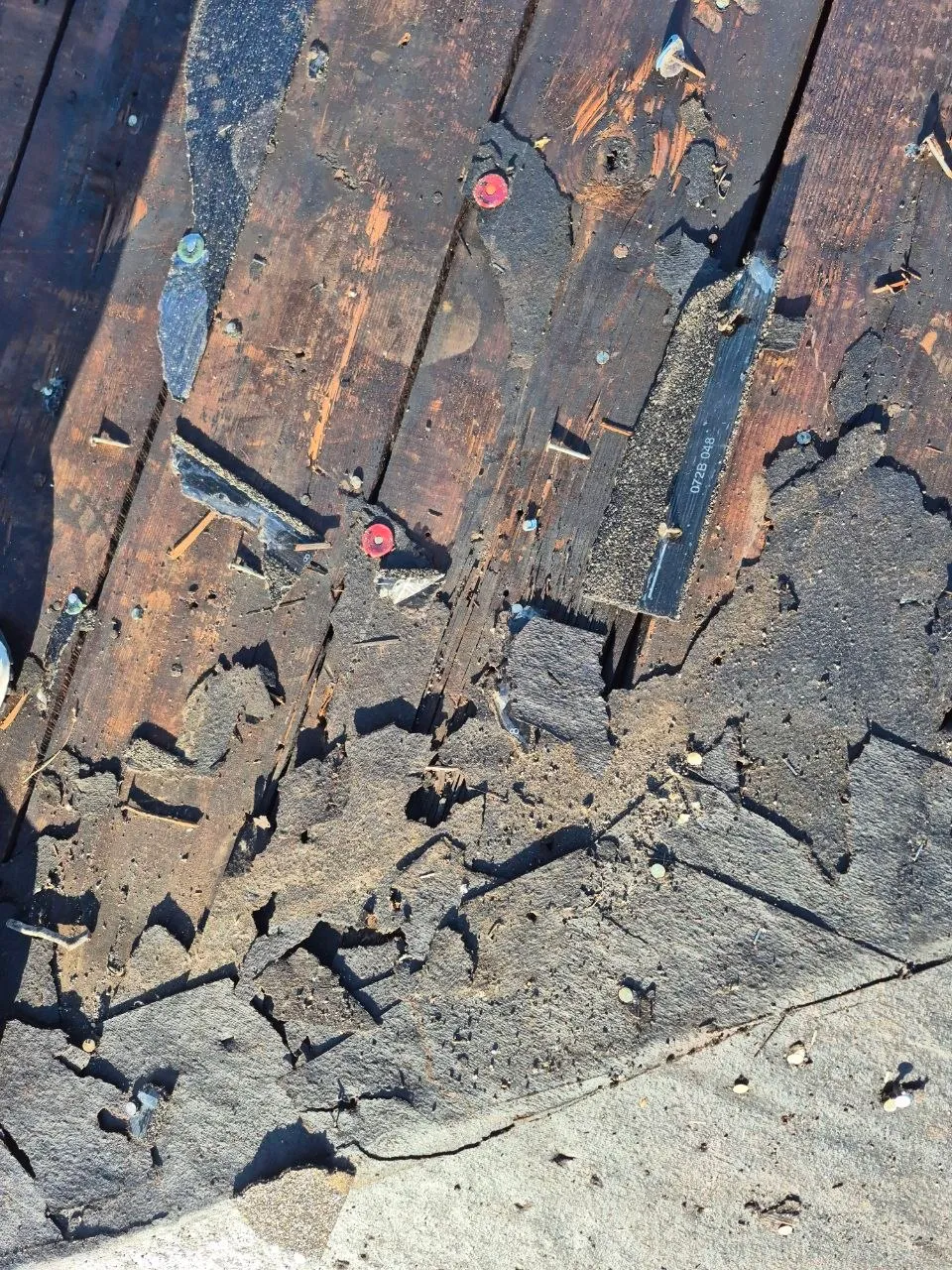
If you're not sure where yours stands, check how long roofs last by material — the ranges are wider than most people expect.
When Problems Don’t Stay in One Place
One repair is normal. Houses need attention over time. What’s not normal is when issues start moving around or showing up repeatedly in different areas. That usually means you’re not dealing with a single problem anymore. You’re seeing signs of a roof that’s wearing down as a whole.
At that point, continuing to rely on small fixes through things like roof repair services can feel productive, but it doesn’t always address what’s actually happening underneath. You’re treating symptoms instead of the condition.
When the Roof Looks Worn Out Across the Board
Sometimes the signs aren’t dramatic. There’s no major leak, no obvious failure. Instead, the roof just starts to look worn out across the board. Shingles may not sit flat anymore, colors can look uneven, and certain sections may age faster than others.
Individually, those things don’t feel urgent. Together, they usually mean the roof is nearing the end of its useful life. At that stage, it becomes less about fixing one area and more about deciding whether a full roof replacement makes more sense than continuing to patch it.
Why Waiting for a Leak Can Cost You
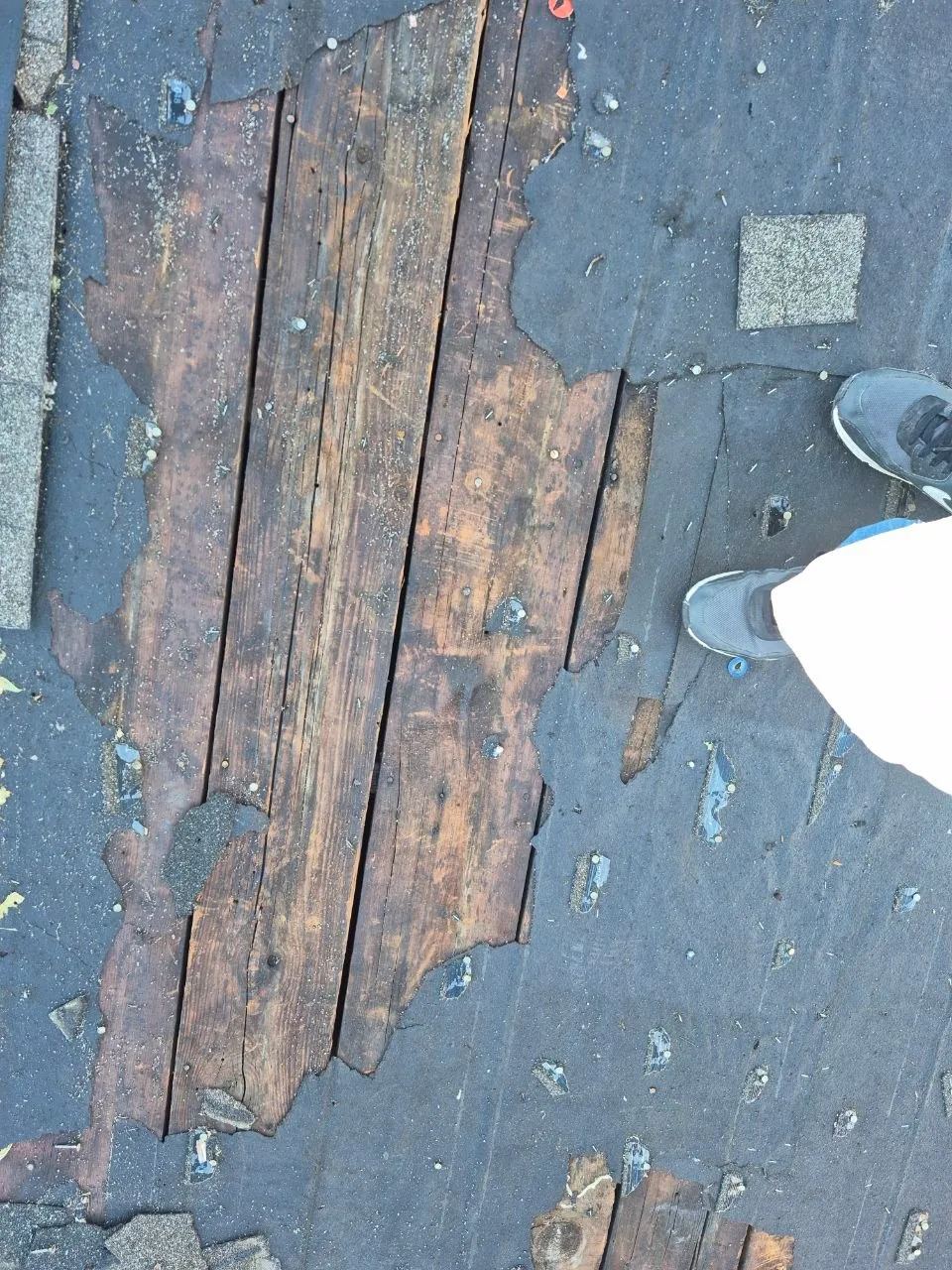
A lot of homeowners wait for something obvious to happen before taking action, and a leak tends to be the moment everything feels real. The problem is that by the time water is getting inside, the damage has usually been building for a while.
For a broader look at how homeowners tend to respond to damage and insurance-related issues, the Insurance Information Institute offers a helpful overview. The pattern is pretty consistent—people act once the problem becomes visible, not when it starts.
When Storms Change the Situation
Storm damage adds another layer because it isn’t always obvious right away. Wind and hail can weaken your roof without leaving clear signs from the ground, and that damage can show up later.
This is also where insurance enters the conversation. Some damage may qualify for a claim depending on what caused it and how it’s documented. If you want a clearer understanding of how coverage and claims are evaluated, the National Association of Insurance Commissioners breaks it down in a way that’s actually useful.
Before worrying about claims, though, you still need to understand what actually happened to your roof.
When Repairs Start to Feel Routine
One of the clearest signs that it may be time to replace your roof is when repairs stop feeling like exceptions and start feeling normal. If you’re expecting another issue sooner rather than later, that’s usually a sign the roof isn’t holding up the way it should.
At that point, the question shifts. It’s no longer just about fixing the current problem. It becomes about whether continuing to invest in repairs is actually extending the life of the roof or just delaying replacement.
Making the Call Without Guessing
This is where most people get stuck, because neither option feels great. Replacing a roof is a bigger decision, and it’s not something anyone looks forward to. Repairs feel easier because they’re smaller and more immediate.
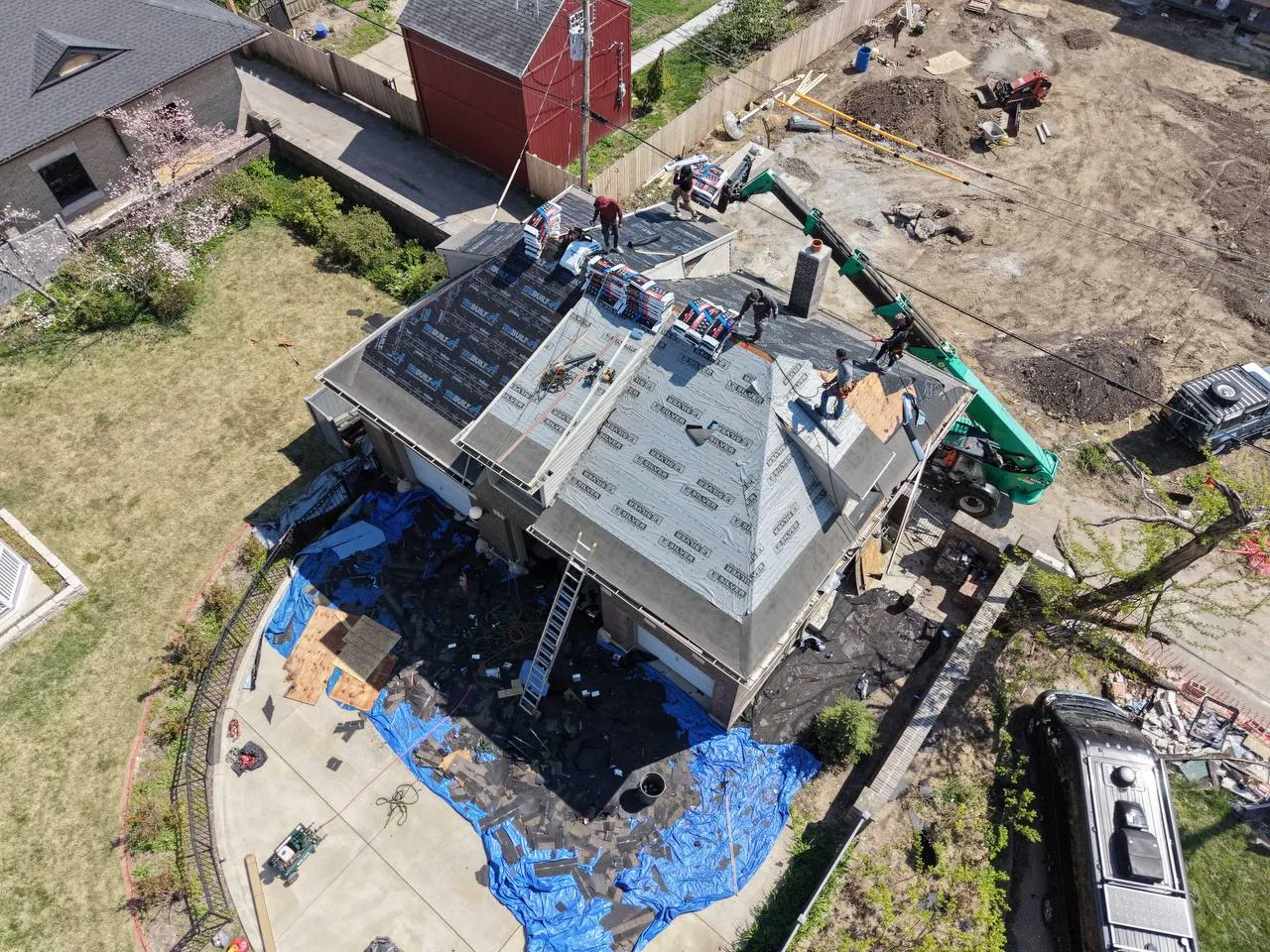
But smaller doesn’t always mean smarter. If the roof is already nearing the end of its life, continuing to repair it can end up costing more in the long run. The only way to make a confident decision is to look at the roof as a whole, not just the issue that got your attention.
A thorough roof inspection gives you that clarity so you can move forward with confidence.
Before You Keep Repairing… (Special Section)
There’s a point where maintaining your roof turns into holding onto it longer than you should. Most people don’t notice when that shift happens, because each repair feels like a reasonable decision at the time.
If you’re starting to question whether it’s worth fixing again, that’s usually a sign to step back and look at the bigger picture. A quick inspection can help you understand whether you’re making a smart short-term fix or putting money into something that’s ready to be replaced.