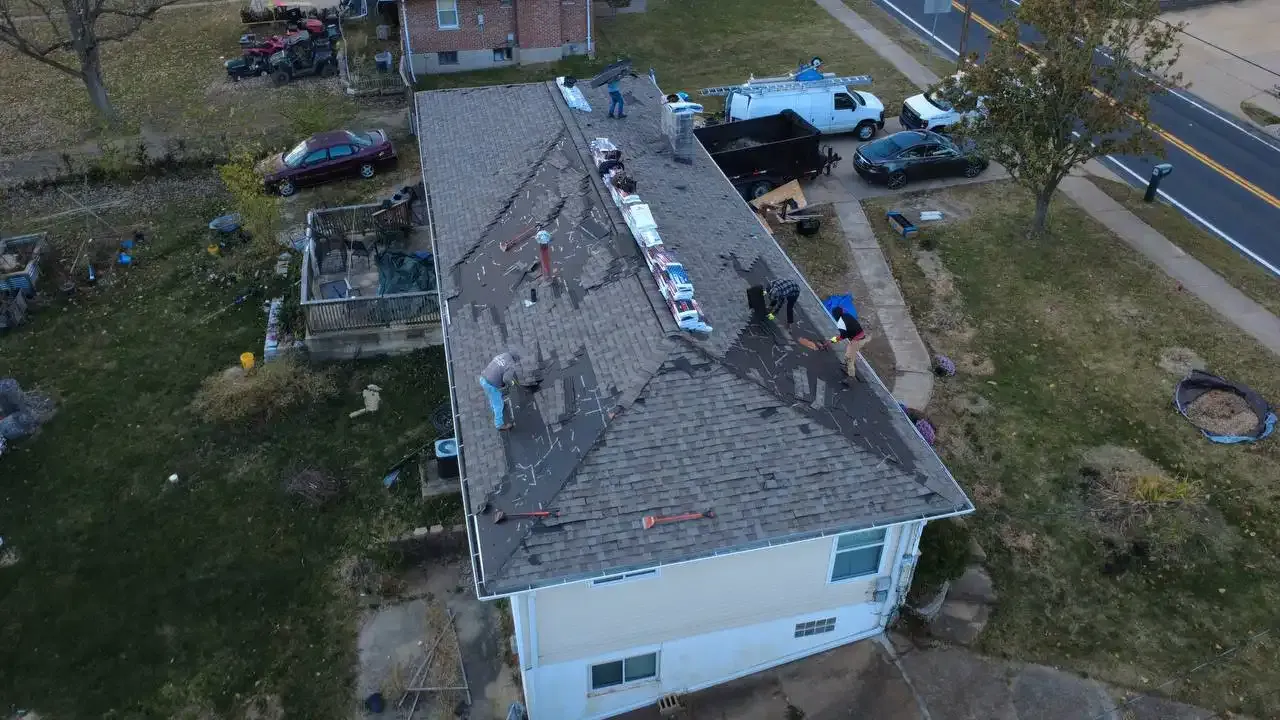
When winter finally starts loosening its grip in Missouri and Illinois, most homeowners are ready to stop thinking about cold weather entirely.
The snow melts. The sun stays out longer. Temperatures start cooperating again. Spring feels like a reset button.
Your roof, however, has a slightly different perspective.
While winter may be over, the stress it put on roofing materials is often just beginning to reveal itself. Freeze-thaw cycles, wind-driven storms, and months of moisture can leave subtle damage that isn’t visible from the driveway.
That’s why spring roof inspections are such an important step after Midwest winters. Roofing professionals know that what looks fine at a glance may tell a different story up close.
Why Midwest Winters Are So Hard on Roofs
Roofs in the Midwest deal with a unique combination of weather stresses.
Temperatures frequently swing above and below freezing. Snow accumulates, melts, and refreezes. Windstorms push moisture sideways across roof surfaces. Ice builds up along eaves and flashing points.
None of these conditions are unusual on their own. The problem is that Midwest winters combine all of them repeatedly.
Every freeze-thaw cycle causes roofing materials to expand and contract slightly. Over time, that movement weakens seals, loosens flashing, and exposes small vulnerabilities that water can exploit once spring rain arrives.
Winter damage rarely announces itself dramatically. It usually shows up quietly in the months that follow.
Shingle Condition Is One of the First Things Checked
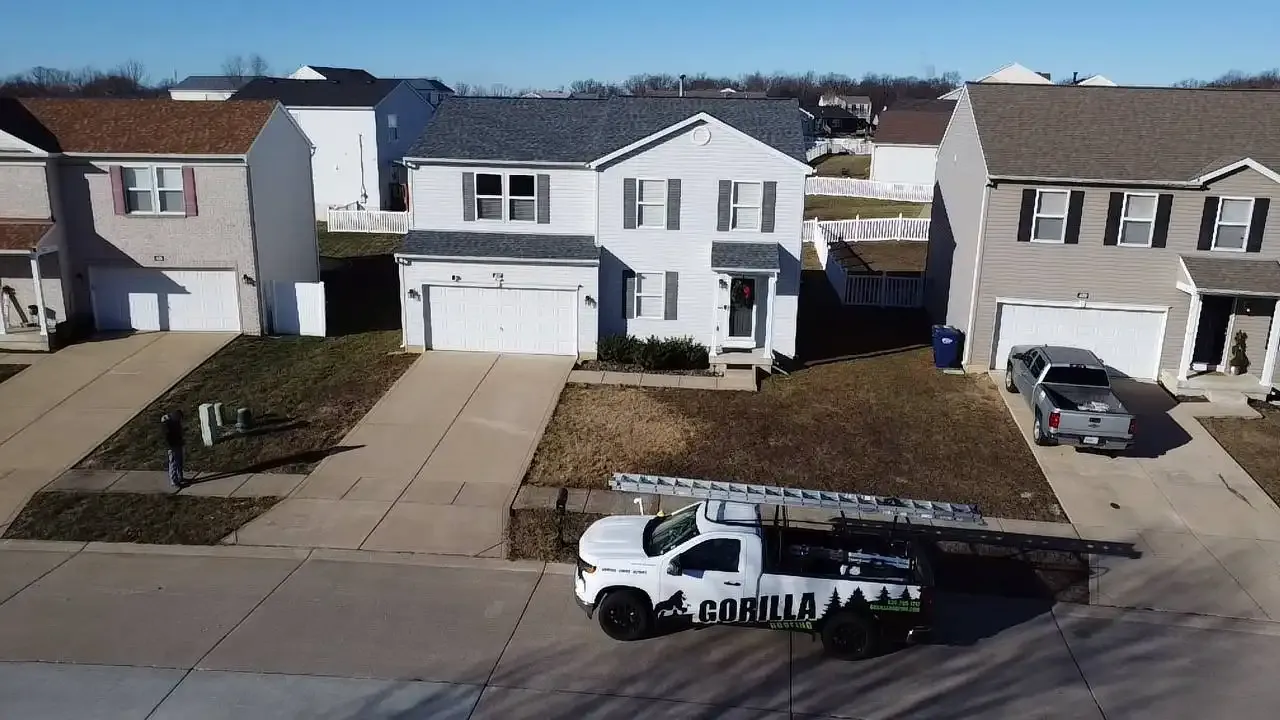
When professionals inspect a roof after winter, shingles are an obvious starting point.
Winter storms can lift or crease shingles without tearing them off completely. High winds may break the seal strips that hold shingles down. Even minor movement during a storm can create small openings where water can enter.
From the ground, the roof may look perfectly normal. Up close, however, a contractor might find shingles that have begun curling, cracking, or loosening along the edges.
Granule loss is another common discovery. Granules protect shingles from ultraviolet light and weathering. If winter storms removed large amounts of them, the shingles may begin aging faster as temperatures rise in spring.
Flashing Around Roof Penetrations Gets Close Attention
Roof penetrations are another priority during spring inspections.
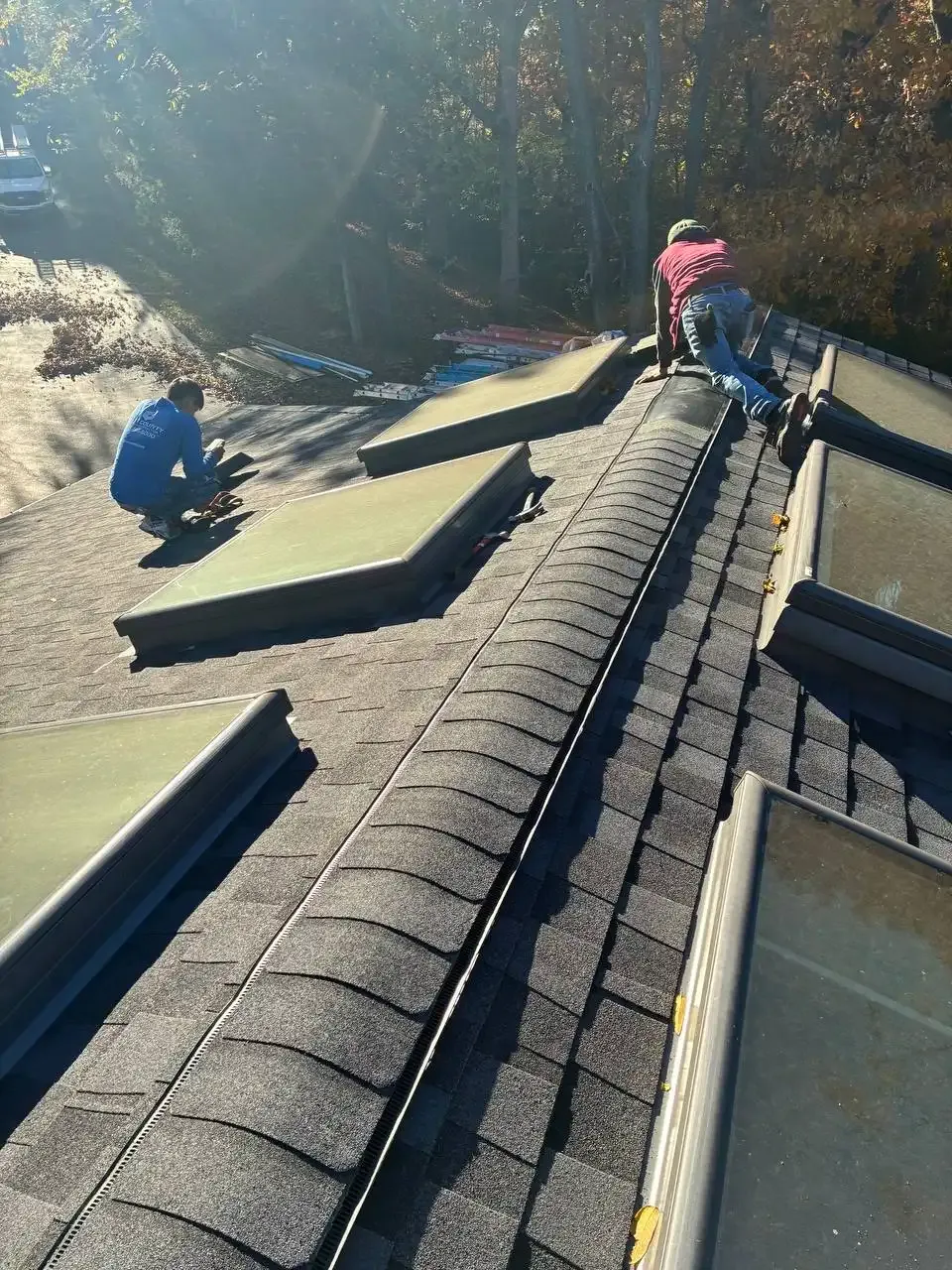
Anywhere the roof surface changes direction or meets another structure — chimneys, skylights, vent pipes, or walls — flashing is used to direct water away. Flashing is extremely effective when installed correctly, but it’s also one of the first components affected by freeze-thaw movement.
Ice buildup can pry flashing edges upward. Thermal expansion can weaken sealants. Wind-driven snow can push moisture into areas that normally stay dry.
During an inspection, contractors carefully check these areas for separation, corrosion, or seal failure. Small flashing issues are among the most common causes of springtime leaks.
Roof Valleys Often Show Hidden Winter Stress
Valleys — the channels where two roof slopes meet — carry more water than any other part of the roof.
During winter, snow and ice tend to accumulate in these areas. When melting begins, large volumes of water funnel through the valleys as it drains toward the gutters.
That combination of weight, moisture, and flow makes valleys a common trouble spot after winter. Contractors often inspect them closely for damaged shingles, exposed underlayment, or debris buildup that could trap water.
A valley that looks perfectly fine from a ladder may reveal worn materials once examined carefully.
Gutters and Drainage Matter More Than People Realize
Spring roof inspections don’t stop at the shingles.
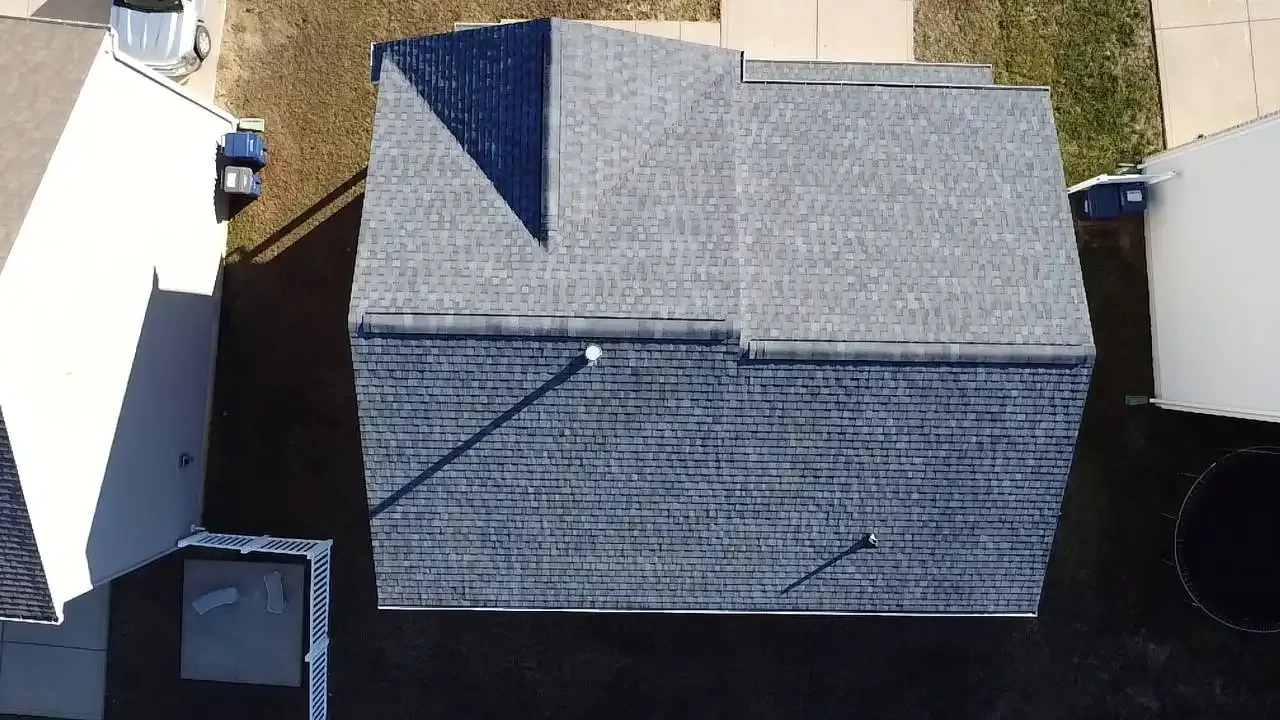
Gutters and downspouts play an important role in protecting the roof system. If gutters are clogged or damaged, melting snow and spring rain can back up along the roof edge.
This backup can lead to moisture intrusion beneath shingles and into the underlying structure.
Roofing professionals usually check whether gutters are draining properly and whether downspouts are directing water far enough away from the home. Poor drainage can shorten the lifespan of roofing materials over time.
For general guidance on roof drainage and maintenance, the National Roofing Contractors Association provides homeowner resources that explain how roofing systems are designed to shed water effectively: https://www.nrca.net/
Attic Conditions Reveal Problems the Roof Surface Hides
One of the most valuable parts of a spring inspection often happens inside the house — in the attic.
Attics tell the story of how a roof performed during winter. Contractors look for signs of moisture, damp insulation, staining on roof decking, or mold growth.
Many leaks never appear inside the living space immediately. Instead, small amounts of moisture accumulate slowly in the attic before eventually becoming visible.
Checking attic conditions helps identify early problems before they develop into larger structural issues.
Ventilation Problems Become More Obvious in Spring
Roof ventilation is another factor that inspectors evaluate after winter.
Proper ventilation allows warm, moist air to escape from the attic while drawing in cooler outside air. Without it, moisture can build up beneath the roof deck and contribute to mold growth or wood deterioration.
Poor ventilation also contributes to ice dams during winter, which can damage shingles and flashing.
Spring inspections provide an opportunity to confirm whether attic airflow is functioning properly before summer heat adds another layer of stress to the roof system.
Storm Damage That Wasn’t Visible During Winter
Winter storms don’t always leave obvious signs.
Hail impacts, wind pressure, and ice buildup can weaken shingles without removing them entirely. These subtle forms of damage often go unnoticed until closer inspection.
That’s why professional evaluations are helpful. Contractors know how to identify patterns that indicate storm damage even when the roof appears intact from the ground.
Spotting those issues early can prevent larger problems when spring storms arrive.
Why Timing Matters for Spring Inspections
Early spring is an ideal time to evaluate winter damage.
Waiting too long allows small issues to worsen as rainstorms become more frequent and temperatures continue to rise. Addressing minor problems quickly helps prevent moisture from entering the roofing system.
Spring inspections also allow homeowners to plan repairs before peak roofing season arrives.
It’s easier to schedule work and address small issues before they become urgent.
Inspections Provide Clarity Before Bigger Decisions
Homeowners sometimes worry that calling for a roof inspection means they’ll immediately be told they need a full replacement.
In reality, many inspections end with simple repairs or reassurance that the roof is still performing well.
The goal of a professional inspection is clarity — understanding what winter did to the roof and what steps, if any, are needed next.
When Winter Damage Leads to Replacement Discussions
Occasionally, a spring inspection reveals that winter accelerated wear on an already aging roof.
If shingles show widespread deterioration, flashing failures are repeated, or moisture has begun affecting structural layers, replacement may become the most practical long-term option.
Replacing a roof resets the entire system and helps prevent recurring issues.

Final Thoughts: Winter May Be Over, But Your Roof Just Finished a Test
Midwest winters quietly stress roofing systems for months.
By the time spring arrives, that stress may have created small vulnerabilities that aren’t immediately visible from the ground. A professional inspection helps identify those issues early and prevents minor winter damage from turning into major spring repairs.
For homeowners in Missouri and Illinois, spring roof inspections are less about finding problems and more about confirming that everything survived the season.
Sometimes the best outcome of an inspection is simply peace of mind.