If you live in Missouri long enough, winter will eventually test every part of your house. Siding included.
That’s why homeowners deciding between vinyl siding and fiber cement siding often ask the same question: Which one actually holds up when it’s cold, wet, windy, and unpredictable?
Both options are popular. Both have strong selling points. And both behave very differently once Missouri winters get involved. This guide breaks down how vinyl and fiber cement siding really perform here — not in brochures, but in real weather — so you can make a decision you won’t second-guess after the first freeze-thaw cycle.
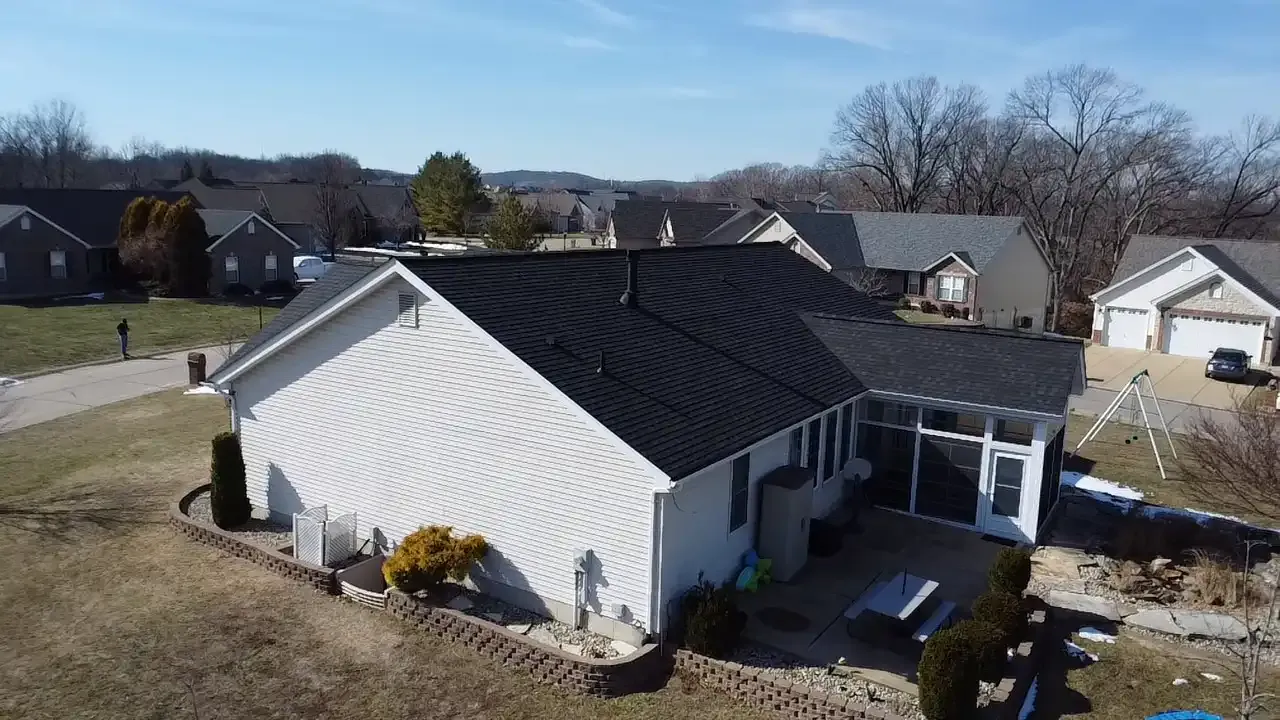
Why Missouri Winters Change the Siding Conversation
Siding decisions made in mild climates don’t always translate well to Missouri. Here, winter isn’t just cold. It’s inconsistent.
We get freezing nights followed by thawing days. Moisture hangs around. Wind picks up. Snow melts and refreezes against walls. Over time, that combination stresses siding materials in ways homeowners don’t always anticipate.
The siding that looks great in summer has to survive expansion, contraction, moisture exposure, and impact — sometimes all in the same week.
How Vinyl Siding Handles Missouri Winters
Vinyl siding is popular for good reason. It’s affordable, widely available, and low maintenance. In many cases, it performs just fine through winter.
That said, cold temperatures change how vinyl behaves.
As temperatures drop, vinyl becomes more rigid. That rigidity makes it more vulnerable to cracking from impact — something as simple as a ladder bump or wind-blown debris. It doesn’t happen everywhere, but it’s common enough that we see it during late-winter inspections.
Vinyl also expands and contracts noticeably with temperature swings. Proper installation leaves room for that movement, but when it’s installed too tightly, panels can warp or buckle over time.
Moisture itself isn’t a major issue for vinyl, but wind-driven rain and melting snow can find their way behind panels if installation details weren’t handled carefully.
How Fiber Cement Siding Performs in Cold Weather
Fiber cement siding is heavier, denser, and more rigid than vinyl. That gives it a different relationship with winter.
Cold temperatures don’t make fiber cement brittle in the same way they do vinyl. It resists impact better and doesn’t flex with temperature changes nearly as much. That stability is a big reason many Missouri homeowners choose it.
However, fiber cement is not immune to winter issues. Improperly sealed joints, cut edges, or fastener penetrations can allow moisture intrusion. When moisture gets into fiber cement and freezes repeatedly, it can shorten the material’s lifespan.
Installation quality matters more with fiber cement than with almost any other siding type. When done right, it performs extremely well. When corners are cut, problems show up years later.
Maintenance Expectations Through Winter
Vinyl’s biggest winter advantage is low maintenance. It doesn’t need painting, and surface moisture doesn’t damage it. Most winter-related vinyl issues come down to cracking or movement, not decay.
Fiber cement requires more attention long-term. Paint coatings protect it from moisture, and those coatings need to be maintained. Missouri winters don’t destroy fiber cement, but they will exploit neglected paint or caulking.
The tradeoff is longevity. Fiber cement generally lasts longer than vinyl when maintained properly.
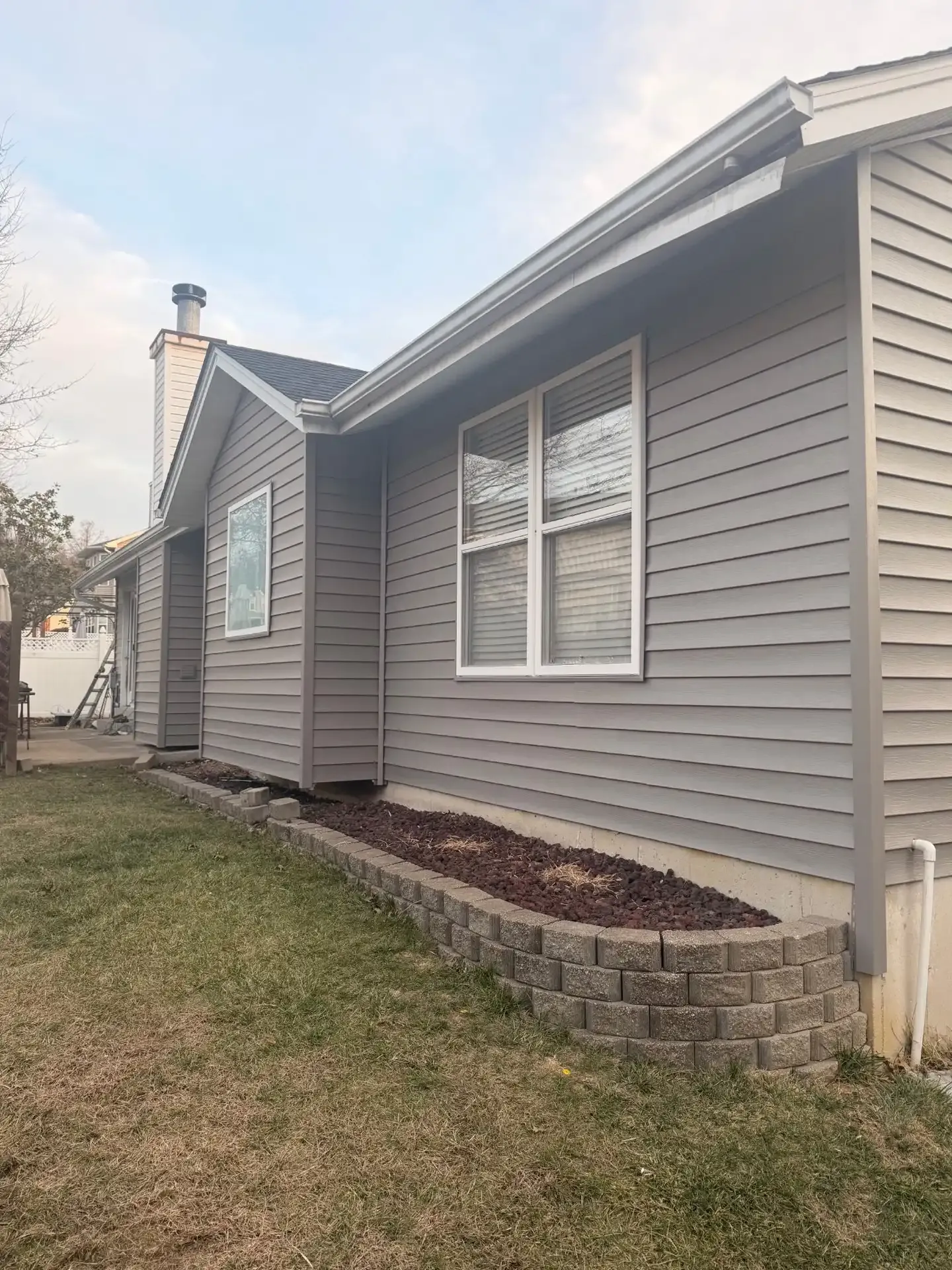
Cost Differences Matter — Especially Up Front
Cost is often the deciding factor.
Vinyl siding is typically the more budget-friendly option upfront. Materials and installation costs are lower, making it attractive for homeowners focused on immediate affordability.
Fiber cement siding costs more initially. Installation is more labor-intensive, and the material itself is heavier and more expensive. That higher upfront cost is balanced by durability, appearance, and long-term performance.
In Missouri, many homeowners choose vinyl for budget reasons and fiber cement for long-term ownership plans.
Appearance and Resale Considerations
Aesthetics aren’t just about looks — they affect resale.
Fiber cement siding tends to offer a more solid, traditional appearance. It holds paint well and resists fading better than vinyl. Buyers often perceive it as a higher-end material.
Vinyl has improved significantly over the years, but it still looks like vinyl. That’s not necessarily a negative, but it’s something homeowners should be honest about when resale value is part of the equation.
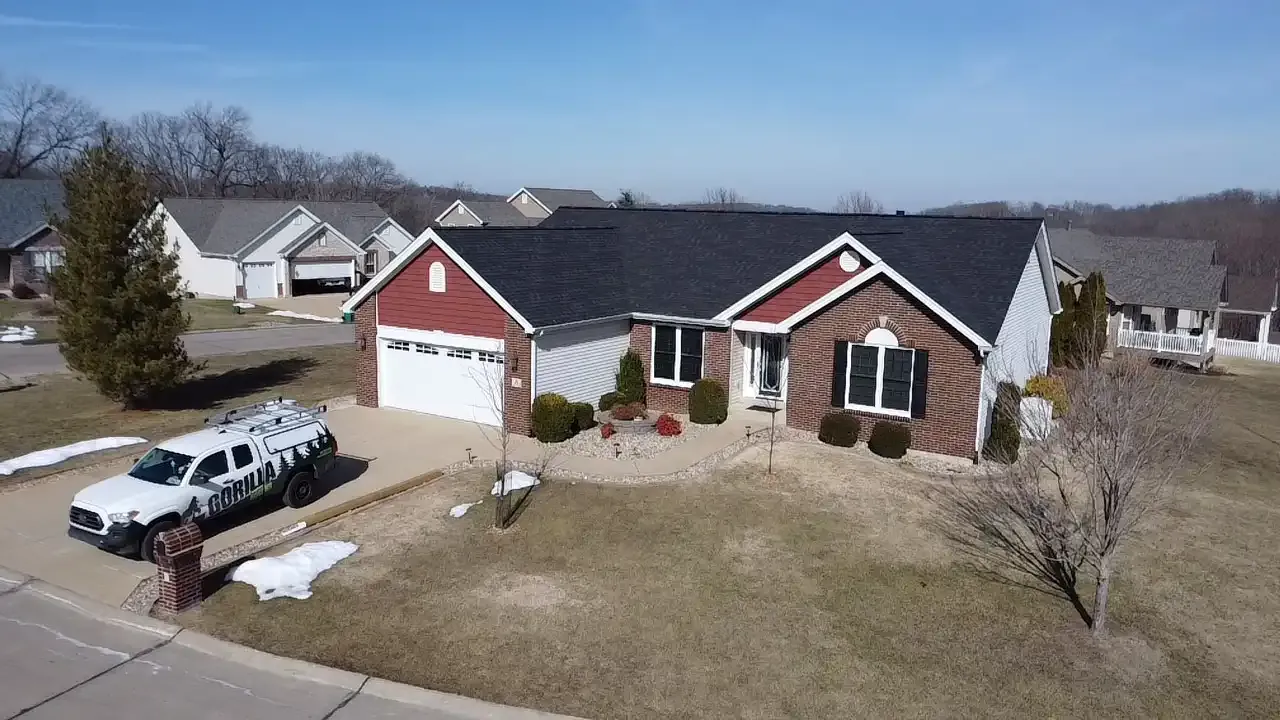
Wind, Moisture, and Installation Quality
Missouri winters don’t forgive sloppy installation.
Wind-driven rain and melting snow test flashing, trim, and transitions. Both vinyl and fiber cement rely heavily on proper moisture management behind the siding.
A well-installed vinyl system outperforms a poorly installed fiber cement system every time. Material choice matters — but workmanship matters more.
That’s why inspections and experienced installation are critical when replacing siding.
How Long Each Option Typically Lasts Here
Vinyl siding often lasts decades when installed correctly, but cosmetic wear tends to show earlier. Cracks, fading, and movement issues are more common over time.
Fiber cement siding often lasts longer structurally, especially when maintained. Paint cycles are part of ownership, but the underlying material holds up well against winter stress.
Neither option is “set it and forget it.” They just require different kinds of attention.
Insurance, Storms, and Real-World Durability
Missouri storms don’t just affect roofs. Siding takes hits too.
Hail, wind-blown debris, and ice all test siding materials. Vinyl is more likely to show visible damage after storms. Fiber cement resists impact better but can still crack under severe conditions.
Storm history should factor into your decision, especially if your home has limited natural wind protection.
For regional storm patterns and winter conditions, homeowners often reference the National Weather Service – St. Louis Region : https://www.weather.gov/lsx/
It’s a good reminder of what siding here actually has to endure.
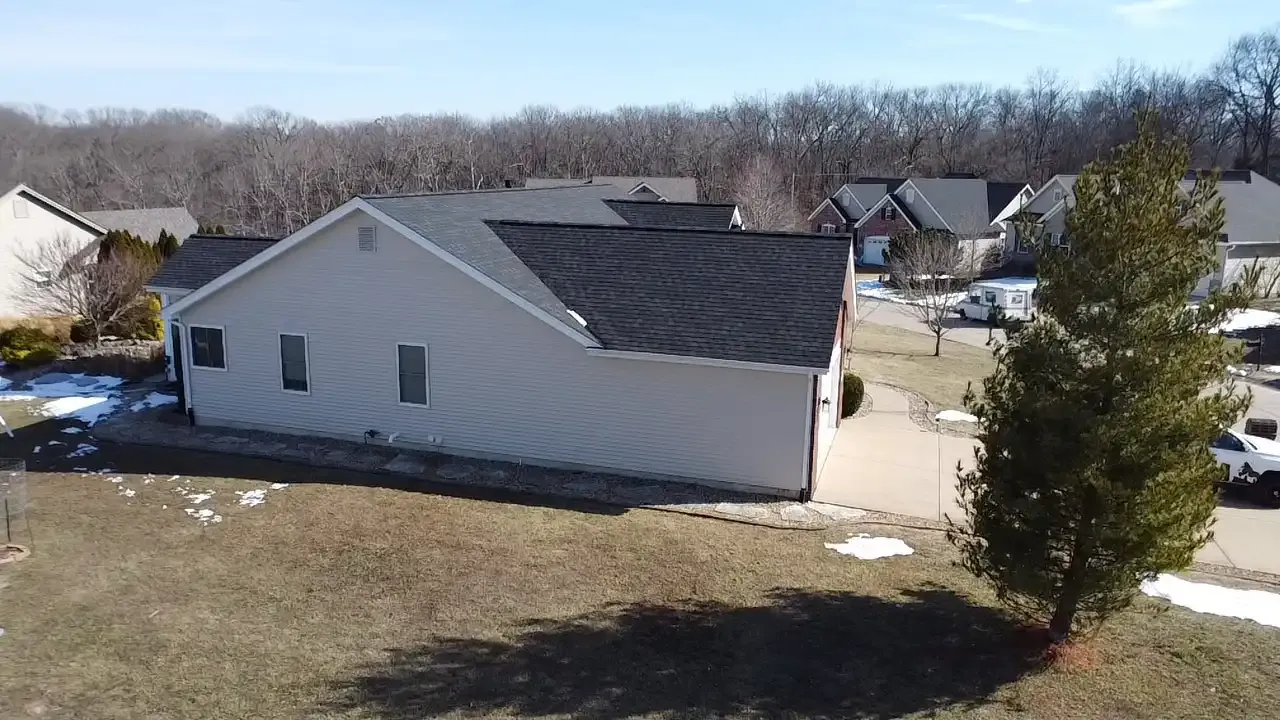
So Which Is Better for Missouri Winters?
There’s no universal answer — and anyone who says otherwise is oversimplifying.
Vinyl siding makes sense for homeowners prioritizing affordability, low maintenance, and straightforward replacement. Fiber cement makes sense for homeowners planning long-term ownership, prioritizing durability, and willing to maintain paint and sealing over time.
The “better” option depends on your budget, timeline, and expectations — not just the material itself.
Final Thoughts: Choose for Winter, Not Just the Sales Pitch
Missouri winters don’t care what the brochure promised. They test siding slowly, then all at once.
The best choice is the one installed properly, maintained realistically, and selected with local conditions in mind. If you’re deciding between vinyl and fiber cement siding, a professional inspection and local guidance can help you weigh cost against performance — before winter makes the decision for you.