My experience with Gorilla Roofing was above reproach. In particular Luke who spearheaded the entire process from beginning to the very end. The Gorilla team was professional, communicative, and the workmanship was top n…
1 year ago · via Google
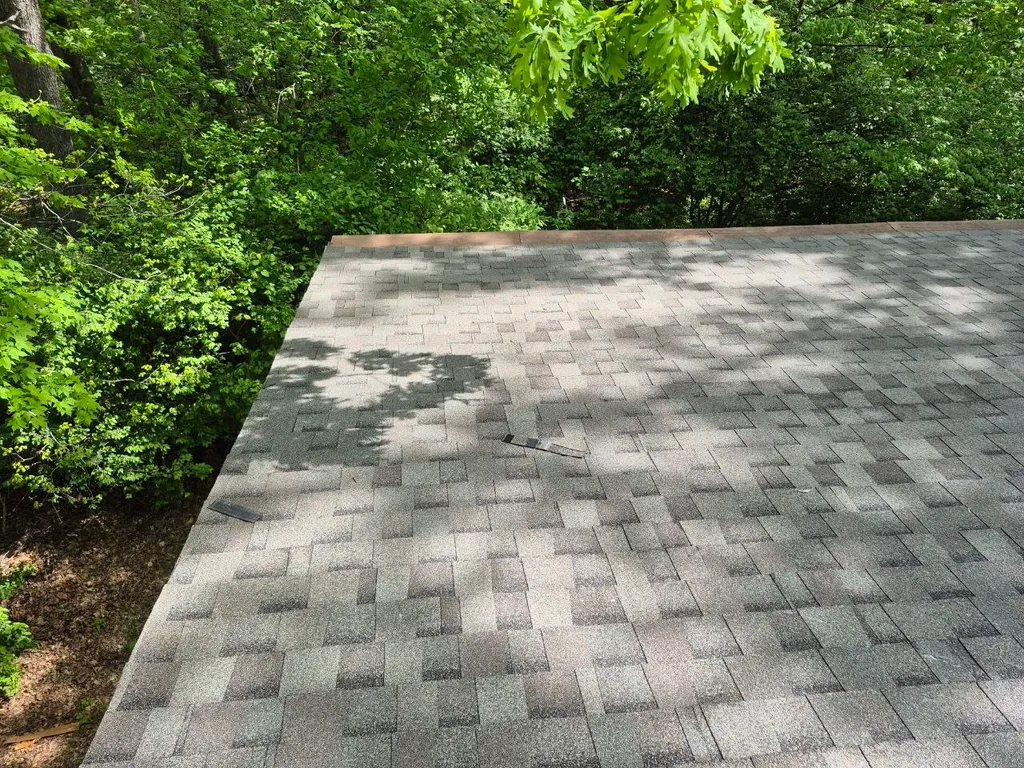
St. Peters sits right in the path of Missouri’s worst spring hail and late-summer wind events, and most storm damage does not show from the driveway. We’re local, we’ll climb your roof, and we’ll tell you honestly what the storm actually did.
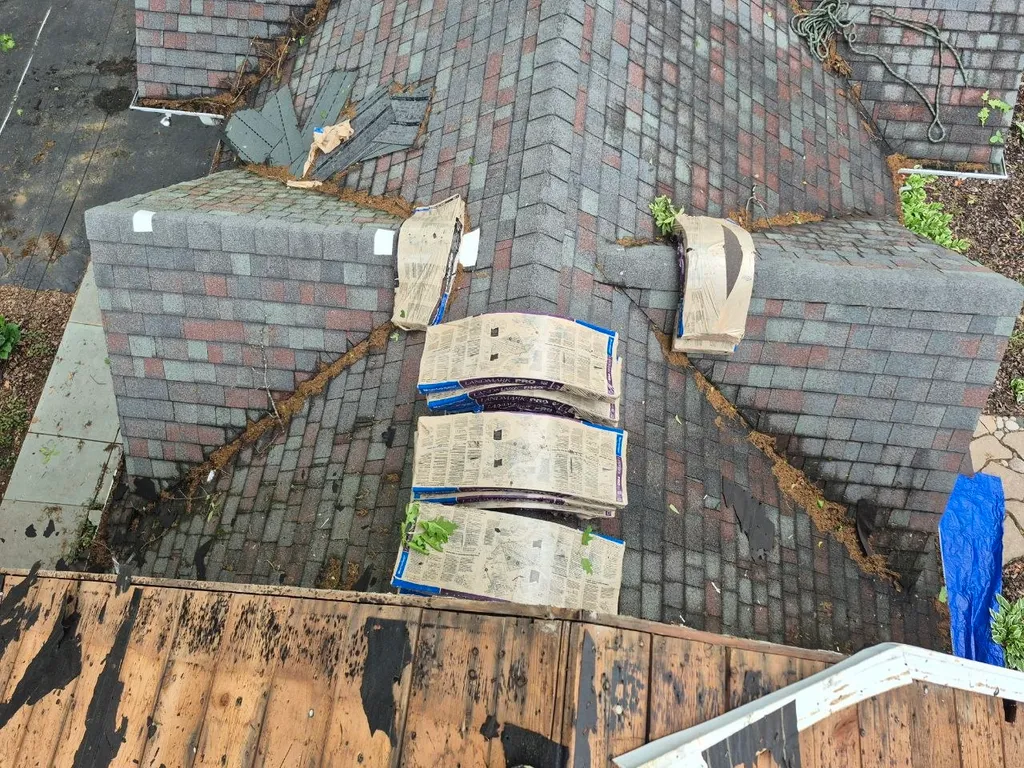
Hail is the most common and most misunderstood storm threat for homeowners in St. Peters. When hailstones strike asphalt shingles, they knock granules loose and fracture the mat beneath the surface. That fracture usually does not cause an immediate leak. What it does is significantly shorten the remaining life of the roof, and insurance carriers often classify it as functional damage. By the time a leak appears, the hailstorm that caused it may have happened two or three years earlier, and the claim window may already be closed.
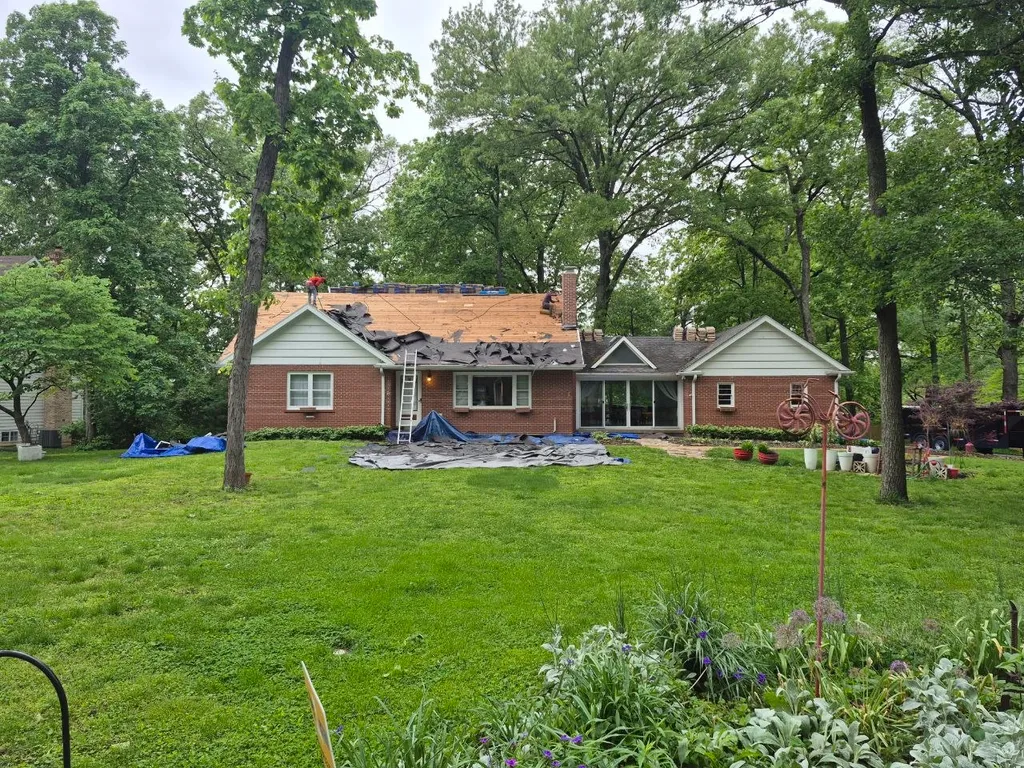
St. Peters and the broader St. Charles County corridor sees straight-line wind events most summers — and some years derechos push through with sustained gusts well above 60 mph. That kind of wind doesn't have to be tornado-force to break the seal strip on an asphalt shingle. Once one shingle lifts, the wind gets under it and works adjacent shingles too. The crease left behind often isn't visible from the ground, but it's a failure point waiting on rain.
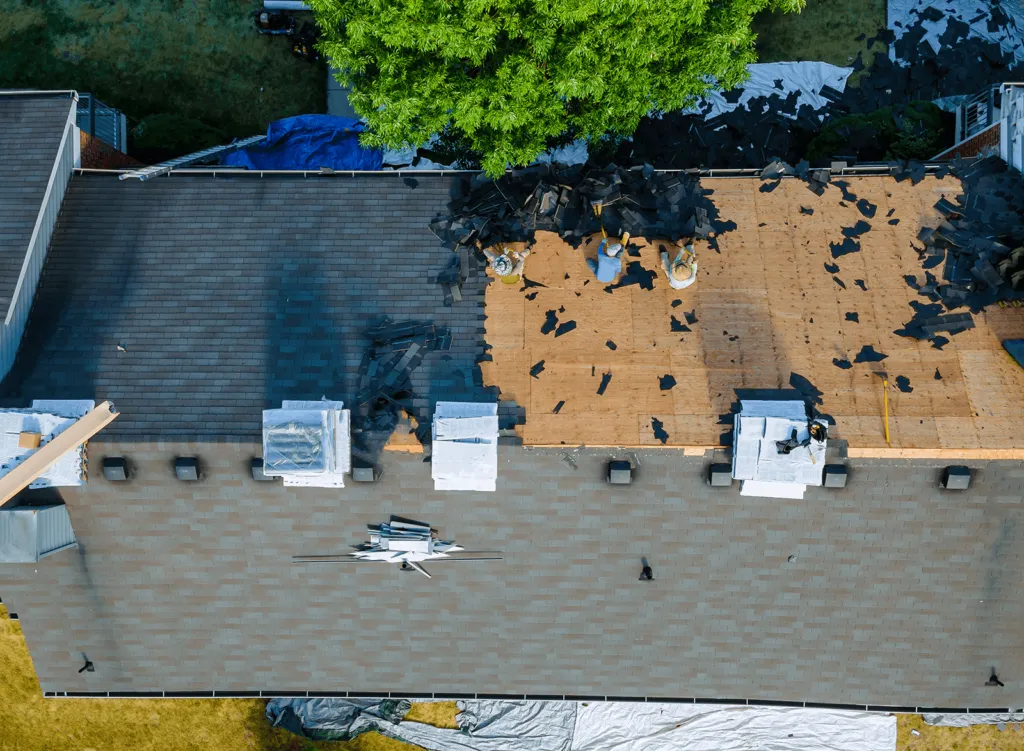
During a high-wind storm, rain stops behaving like rain. It gets driven sideways under shingles, up through open valleys, and around flashing at penetrations and chimneys. A roof that handles normal rainfall just fine can leak in a 55 mph storm because water is being forced uphill. These intrusion leaks often don't show up as ceiling stains until days after the storm — by which point homeowners aren't connecting the damage to the weather event.
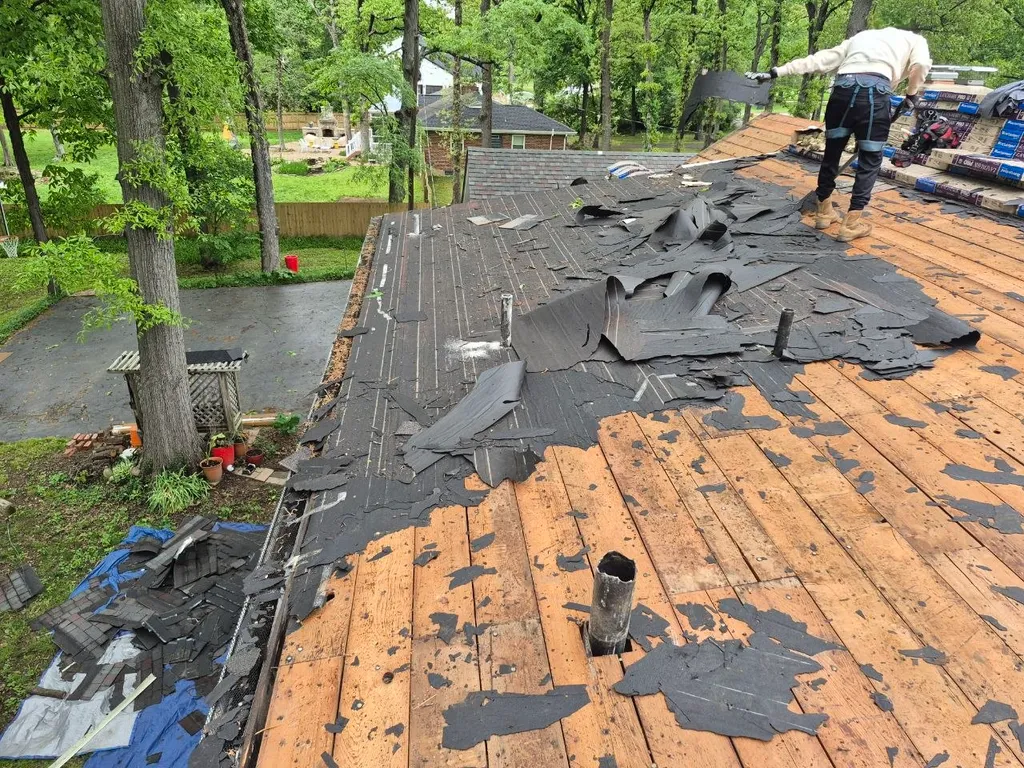
St. Peters has mature tree canopy in most of its neighborhoods — which is great until a storm brings branches down on a roof. Tree impact damage ranges from minor shingle scuffing to punctures through the decking. Even a glancing blow from a limb can crack ridge caps, compress shingles enough to break the mat, and tear pipe boot flashing loose. It's worth a look any time you find debris on the roof after a storm.
From the first call to a fully repaired roof, here’s exactly what to expect when you contact Gorilla Exteriors after a storm.
We climb the roof, inspect every slope, and photograph everything we find including hail strikes, lifted shingles, granule loss, flashing gaps, and penetration damage. When we come down, you get a direct and honest assessment, even if the answer is simply, 'Your roof looks fine and no action is needed.'
If we find storm damage, we create a written report with date-stamped photos along with hail and wind history data pulled specifically for your address. That documentation is often critical during the insurance process because adjusters rely on it to support the claim. Without clear evidence tying the damage to a storm event, many carriers default to classifying the roof as normal wear and tear instead of storm-related damage.
We don't file your claim for you, but we walk you through what storm date to reference, what to tell your carrier, and what not to sign before the adjuster has been on-site. A lot of St. Peters homeowners get tripped up at this step by storm-chaser crews who skip it entirely.
When your adjuster schedules the inspection, we meet them on the roof and walk through the damage together. That process helps reduce missed line items, cuts down on back-and-forth supplement requests, and creates a clearer inspection from the start. Most adjusters also appreciate having an experienced roofer present who can point out storm-related damage in real time.
Once the claim is settled, we schedule the work with our local crew serving St. Peters. If the roof needs a full tear-off, we handle it completely, followed by a manufacturer-spec installation using products like CertainTeed Landmark Pro or ClimateFlex shingles. Every project is backed by the 10-Year Gorilla Guarantee.
Most of our storm restoration work in St. Peters comes from referrals. Homeowners who have already been through the insurance process know how important it is to work with a contractor who communicates clearly, documents the damage correctly, and follows through from inspection to final installation.
4.9 from 183 reviews
Within 30 days is ideal. Most insurance carriers will still accept a storm-related claim within a year of the event, but the longer you wait, the harder it becomes to connect the damage to a specific storm date. Adjusters are trained to look for weathering patterns that suggest older damage, so getting a professional inspection quickly helps protect your claim timeline and documentation.
Yes, almost always. Granule loss and fractures in the shingle mat are usually impossible to see from the ground. The impact marks insurance adjusters classify as “functional damage” are often only visible during an on-roof inspection, sometimes with a hand tool used to check for softness beneath the surface. That is why a proper roof inspection matters, even after storms that did not seem severe at the time.
Do not sign anything before you have had an independent roof inspection and filed the insurance claim yourself. Some storm-chasing companies are legitimate contractors, but many are not. Signing an assignment of benefits or direction-to-pay agreement too early can complicate your claim and reduce your options if problems come up later. Start by calling a trusted local roofer in St. Peters instead.
Usually, yes, if the damage is storm-related and the roof was code-compliant when it was installed. The biggest variable is whether your policy uses actual cash value (ACV) or replacement cost value (RCV). Older roofs covered under ACV policies are depreciated based on age and condition, which typically results in a smaller payout. Your declarations page will outline how your policy handles roof coverage, and we can help you review and understand that language.
It happens, and it does not mean the process is over. We can request a re-inspection with a supervisor adjuster, submit additional documentation through a supplement request, or involve a public adjuster if necessary. Most claim disagreements are resolved before it reaches that point, especially when the original roof inspection and storm documentation are thorough and well organized.
Possibly. Missouri's statute of limitations for insurance claims is generally five years, but your policy's claim filing window is usually shorter — often one year from the date of loss. If you're not sure whether a specific storm date is still claimable, call us. We can pull the hail and wind history for your address and tell you what we're working with.
We're based in St. Peters, we climb the roof ourselves, and we'll tell you honestly what's there — no pressure, no door-knocker games.
More than a promise — it's our commitment to unmatched craftsmanship and total transparency. We stand by our work 100%, no exceptions.