My experience with Gorilla Roofing was above reproach. In particular Luke who spearheaded the entire process from beginning to the very end. The Gorilla team was professional, communicative, and the workmanship was top n…
1 year ago · via Google
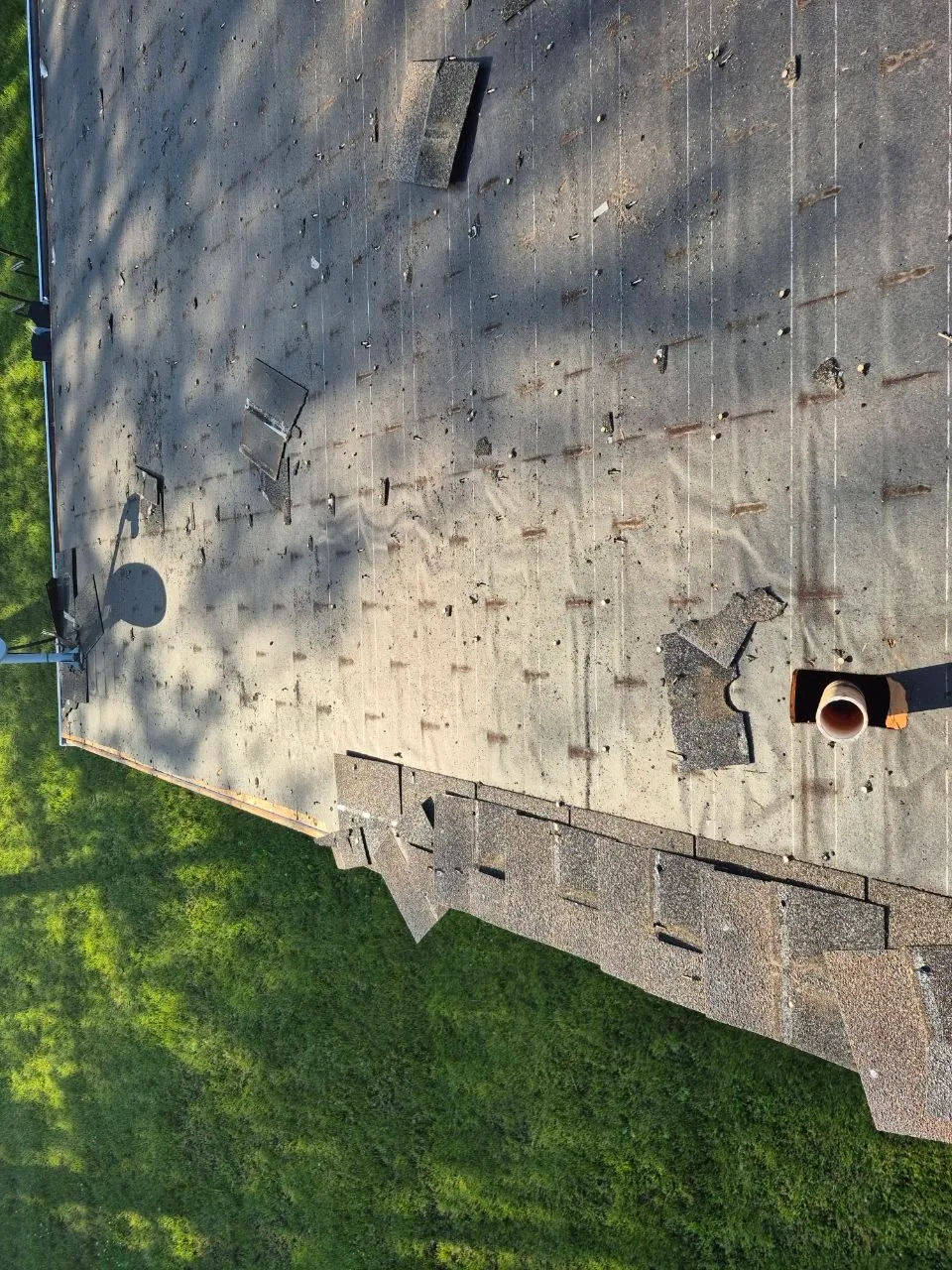
West County sits right in Missouri's spring hail track, and Wildwood's large roofs take more surface area hits than most. We climb the roof, document every strike, and give you a straight answer on whether it's worth filing.
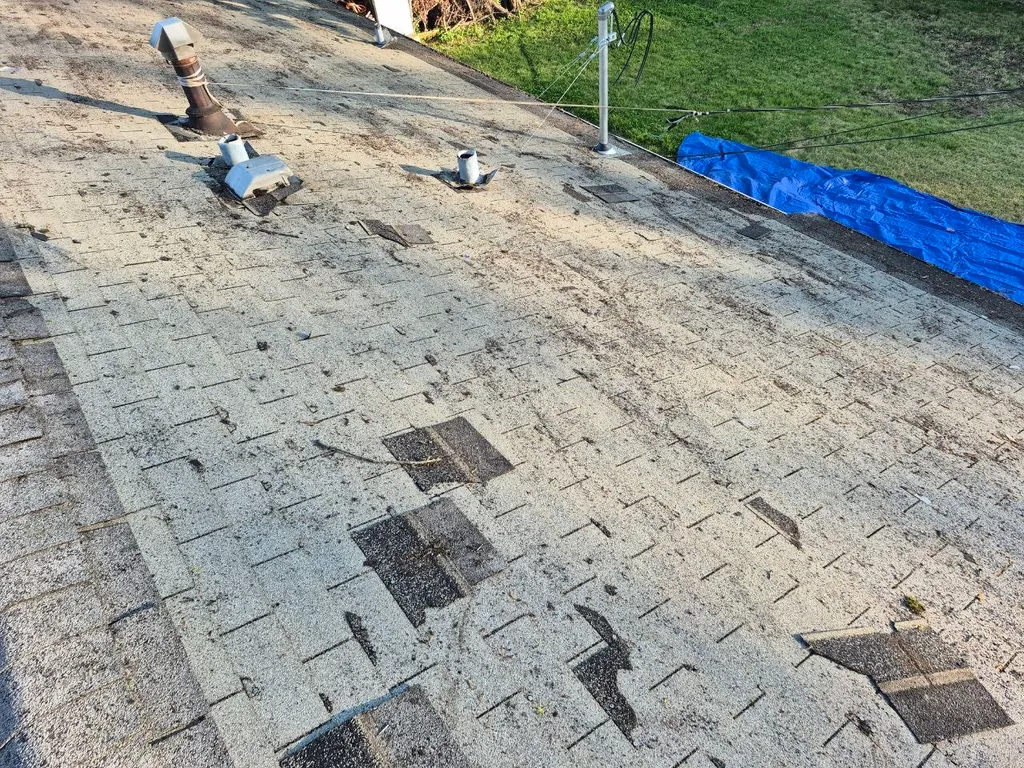
Wildwood is directly in the path of Missouri's most active spring hail corridors — storms that push northeast out of Oklahoma and Kansas routinely drop hail across west St. Louis County before anyone has time to react. Hail fractures the asphalt mat beneath the surface granules, and that fracture shortens the roof's life even when it looks fine from the ground. By the time a leak shows up, the storm that caused it may be two or three years in the past and outside your claim window.
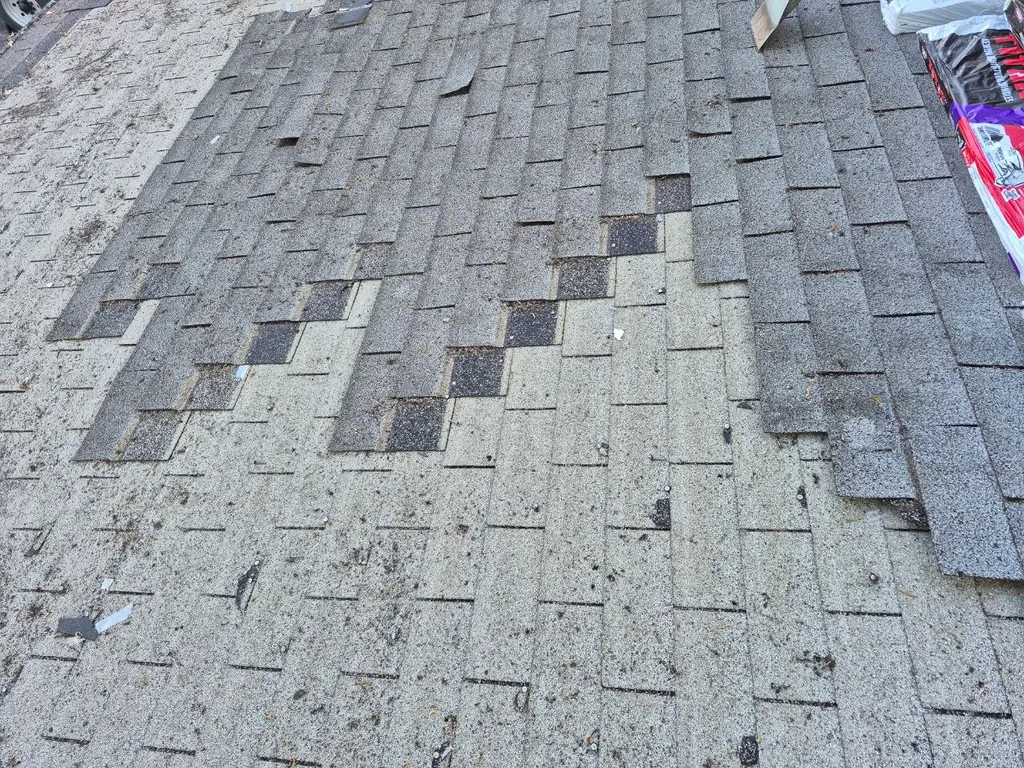
Wildwood's topography — rolling terrain with larger lots and mature tree canopy — can actually funnel and accelerate wind during severe thunderstorms and derechos. Straight-line wind events above 60 mph break the adhesive seal on shingles, and once that seal is gone the wind keeps working on adjacent rows. The damage isn't always at the lifted edge — horizontal creases on otherwise-intact shingles are just as common and just as serious for long-term water resistance.
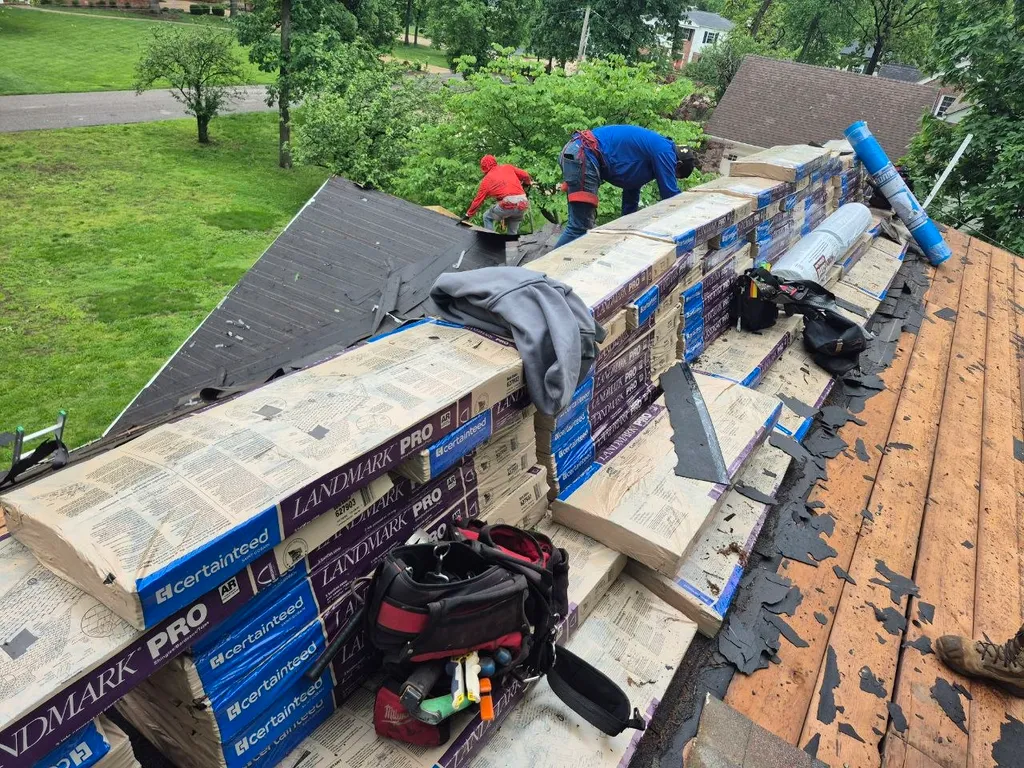
Wildwood homes tend to be larger, with more complex roof geometry — multiple valleys, dormers, skylights, and chimney penetrations. Every one of those transitions is a potential entry point when a storm pushes rain sideways at 50 mph or more. Water that gets in around flashing or under lifted shingles during a storm doesn't always show up as a ceiling stain right away. It can soak into decking and insulation for days before you notice it inside.
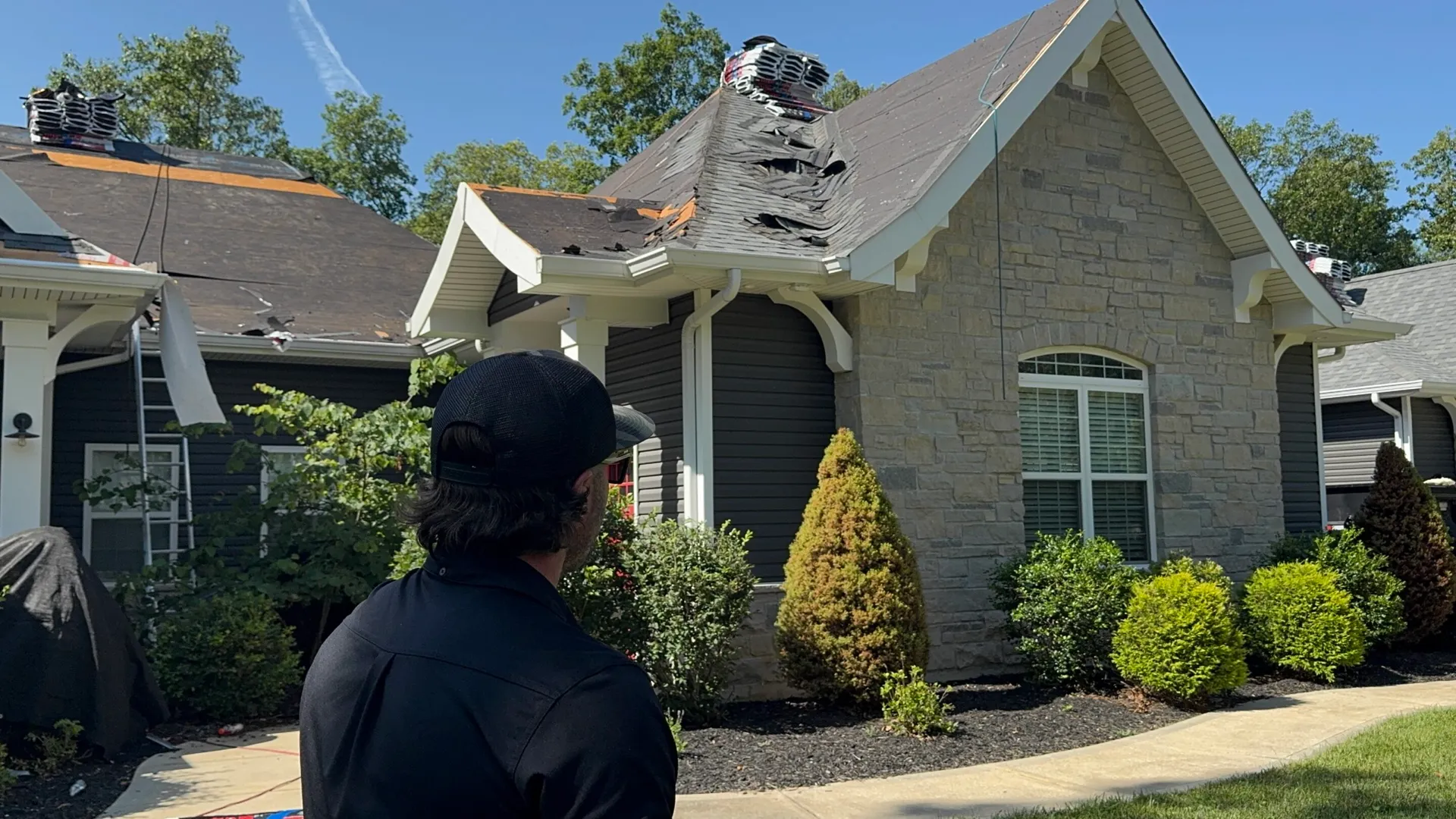
Wildwood's wooded lots are one of its biggest draws — and one of its biggest roofing liabilities during severe storms. Large oaks and maples regularly drop limbs during high-wind events, and a branch the diameter of your wrist landing from 40 feet can punch through a shingle and the decking beneath it. Even branches that don't penetrate can crack ridge caps, dislodge flashing, and cause damage that only becomes obvious the next time it rains hard.
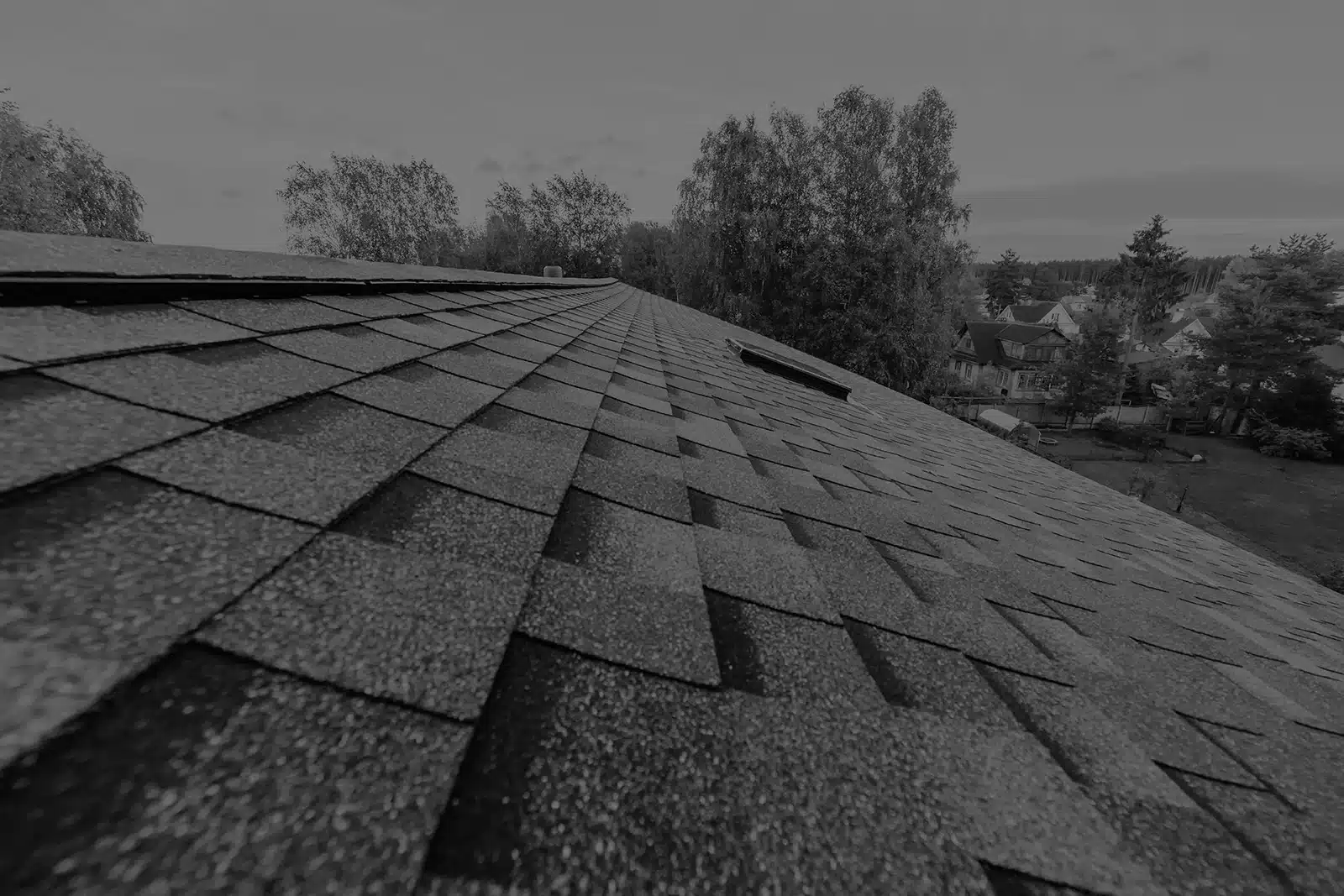
Even storms that don't look severe can strip a meaningful amount of granules from asphalt shingles. Granules aren't cosmetic — they protect the asphalt mat from UV degradation and give the shingle its fire and impact ratings. A roof that loses significant granules in a storm may still shed water fine for another year or two, but its rated lifespan is already shortened. This is the kind of damage that adjusters and storm-chasers both undercount, and it's exactly why having an experienced local roofer walk the slopes matters.
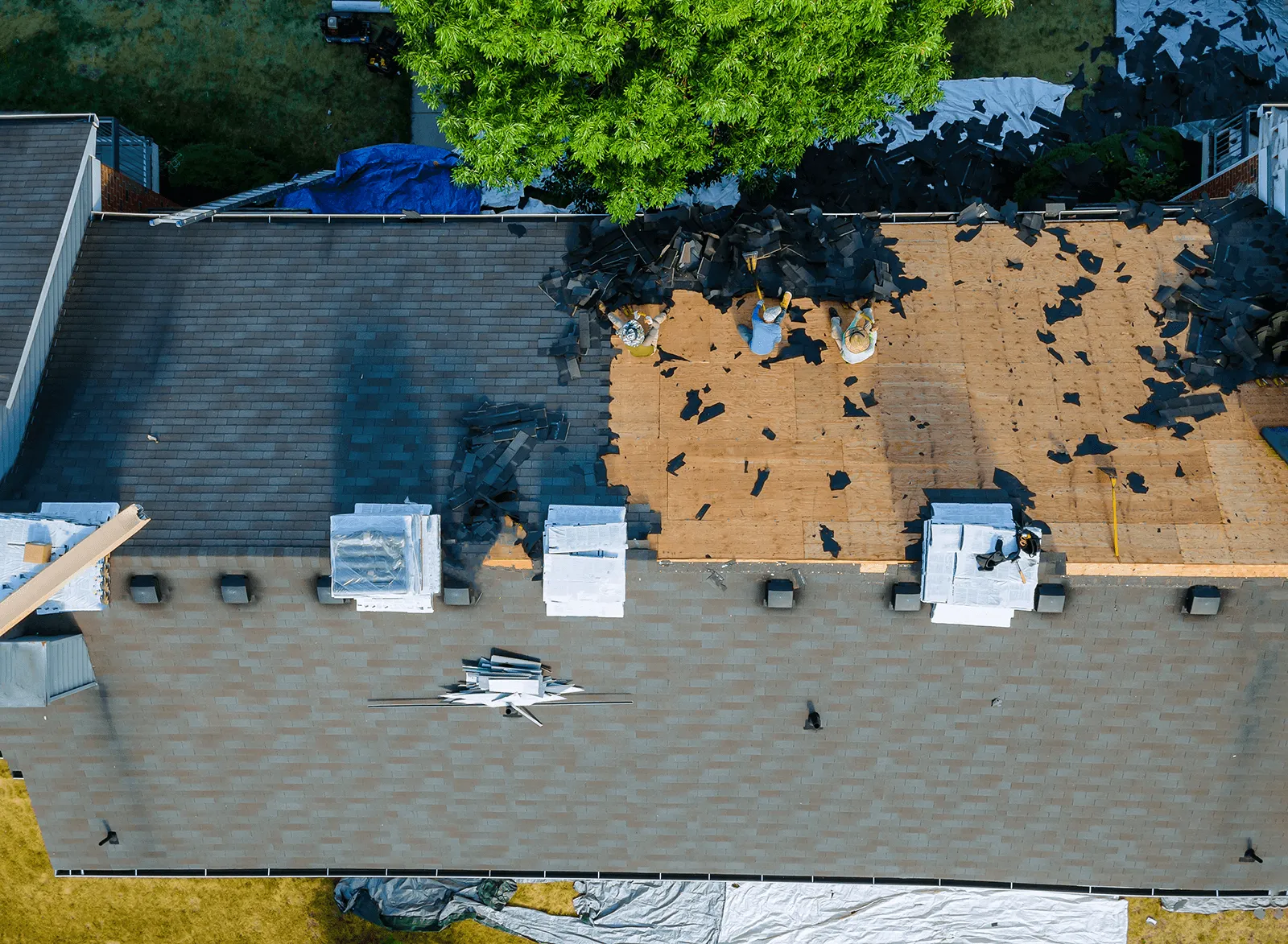
From the first call to a repaired roof — here's exactly what to expect when you work with us.
We climb the roof, walk every slope, and photograph everything — hail strikes, lifted shingles, granule loss, flashing, penetrations, and ridge lines. Wildwood homes are large and often complex, so we take the time to cover the whole surface. You get an honest report even if our answer is 'no storm damage, you're fine.'
If there's storm damage, we put together a written report with date-stamped photos and a hail and wind history pull for your specific address. That documentation is what your insurance adjuster needs before they'll write a claim — and having it ready upfront cuts weeks off the process.
We don't file the claim for you, but we'll walk you through what to report, which storm date to reference, and what not to sign before the adjuster has been on the roof. A lot of Wildwood homeowners get approached by door-knockers after big storms — knowing this part of the process protects you from making a costly mistake early.
When your insurance adjuster comes out, we meet them on the roof. We walk them through the damage, answer technical questions, and make sure nothing gets missed. Most adjusters appreciate having a roofer present — it shortens the back-and-forth on supplements later.
Once the claim is approved, we schedule the work with a local Gorilla crew. Full tear-off when the slope and condition require it, manufacturer-spec installation, and the 10-Year Gorilla Guarantee backing every job. No out-of-state crews. No subcontracted strangers.
Most of our west county storm work comes from referrals — neighbors who've been through the process once and know who they'd call next time.
4.9 from 183 reviews
Within 30 days is ideal, and within a year of the storm date is typically when carriers will still accept a storm-related claim. After that it becomes much harder to separate storm damage from general wear and tear. If a significant hail event hit west county, don't wait until the next rain shows up as a stain.
Usually not. Granule loss and shingle mat fractures — the damage that actually shortens your roof's life — are nearly invisible from the driveway. You might see dented gutters or AC fins from the ground, and those are good indicators that the shingles took hits too. But the only way to confirm functional damage is to get someone on the roof.
Not before you've had an independent inspection and filed the claim yourself. After any significant storm in a high-value area like Wildwood, out-of-state storm chasers work the neighborhood fast. Some are legitimate; many are not. A local roofer with offices in Chesterfield and St. Peters has more at stake in doing this right than someone who'll be in another state next month.
Usually yes, as long as the damage is storm-related and the roof was code-compliant when installed. The catch is that some policies pay actual cash value — meaning depreciated value — instead of replacement cost on older roofs. Check your policy declarations page for the words 'ACV' or 'RCV' before you file. We can help you understand what that means for your specific situation.
It happens, and it happens more often on complex roofs with multiple penetrations — exactly the kind common in Wildwood. We can request a re-inspection with a different adjuster, file a supplement with additional photo documentation, or in some cases recommend a public adjuster to advocate on your behalf. Most disagreements get resolved without escalation.
A derecho is a long-duration, straight-line windstorm that can sustain 60-to-80 mph winds for hundreds of miles. Unlike a typical thunderstorm that hits hard for a few minutes, a derecho keeps steady lateral pressure on the roof for a prolonged stretch — which is exactly the condition that breaks adhesive seals, lifts shingle courses, and drives rain sideways under flashing. The Missouri and Illinois corridor sees one or two significant derechos most years, usually in late summer.
We climb the roof, document everything, and tell you straight whether there's damage worth filing on. No pressure, no door-knocker games, no runaround.
More than a promise — it's our commitment to unmatched craftsmanship and total transparency. We stand by our work 100%, no exceptions.