It's the question we hear at half our estimates: "Can't you just put new shingles right over the old ones and save me the demo cost?" Fair question. The short answer is usually yes, you technically can. The longer answer is that you probably shouldn't, and by the end of this you'll understand why the cheaper option today tends to hand you a bigger bill later.
We're not here to scare you into anything. A roof-over is a real, legal option in a lot of cases. But there's a reason our crews reach for the tear-off nine times out of ten, and it has nothing to do with wanting to charge you more. Let's walk through it like neighbors, not salespeople.
What A Roof-Over Actually Is
A roof-over, also called a re-cover or an overlay, means installing a fresh layer of shingles directly on top of your existing layer. No stripping. No hauling old shingles to the dumpster. The new roof sits on the old one like a second coat of paint on a wall you never sanded.
A tear-off is exactly what it sounds like. Everything comes off down to the wood deck. We inspect the bare decking, fix anything rotten, lay new underlayment, and build the roof back up from scratch.
The overlay saves you money on labor and disposal. That's the whole appeal. Everything else about it is a trade-off you're making with your future self.
What The Code Says
Here's the part most homeowners don't know. Building code caps how many layers of roofing you're allowed to stack. In most of the St. Louis metro and across Missouri and Illinois, the limit is two layers of asphalt shingles. If you already have two, you're done. It's a legal tear-off, no debate.
So the first thing we check on a roof-over request is how many layers are already up there. One layer? An overlay might be on the table. Two layers? We're stripping it whether you like it or not, because the code isn't optional and neither is a passing inspection.
- One existing layer: a roof-over is legally allowed in most jurisdictions
- Two existing layers: tear-off required, full stop
- Rules vary by city and permit office, so we always verify before quoting
If a contractor offers to lay a third layer, that's your cue to walk. That roof will fail an inspection and it puts your home and your insurance in a bad spot. This is one of the reasons knowing your local permit rules matters, and it's part of why we handle the permitting on every job.
Why We Almost Always Say Tear Off
Even when a roof-over is legal, it's usually the wrong call. Here's the honest reasoning, no fine print.
The biggest problem is what you can't see. When you roof over, nobody looks at the deck. That old plywood underneath could be soft, rotted, or holding moisture from a leak you never noticed. Laying new shingles on top of a bad deck is like putting a fresh bandage over a wound you didn't clean. It looks fine for a while.
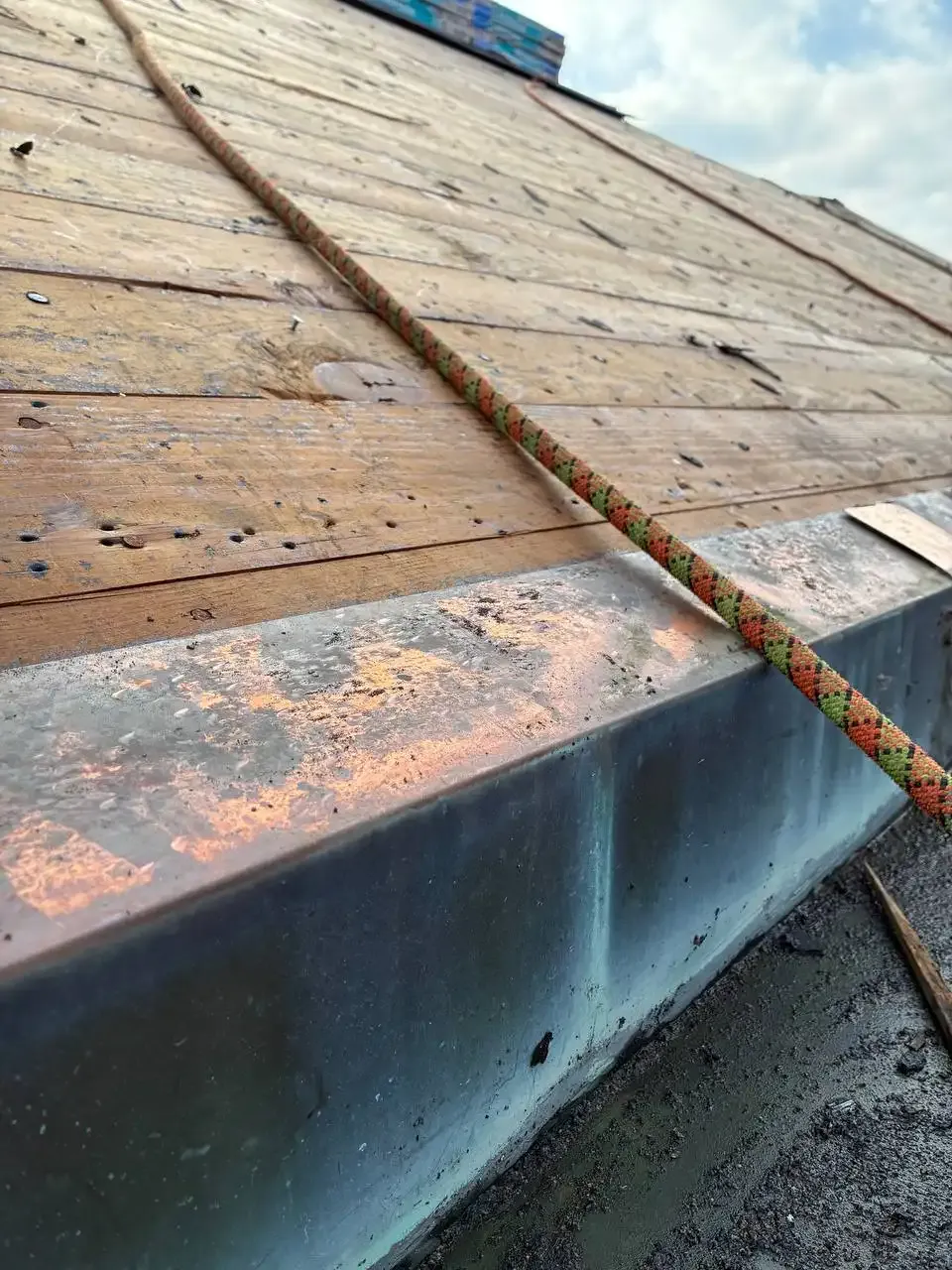
A tear-off is the only way anyone actually sees your decking. On a lot of our jobs we find rot, old nail holes, or boards that need swapping out. On a roof-over, all of that stays buried and keeps doing damage. If you've got existing issues, our storm damage repair team would rather catch them now than after they've spread.
- Trapped heat: two layers of shingles bake in the sun and cook the top layer faster, so an overlay roof often ages years quicker
- Extra weight: another full layer is a serious load your deck and framing were never designed to carry twice
- Lumpy surface: new shingles telegraph every bump and curl in the old layer, so the finished look is never as clean
- Warranty gaps: many shingle manufacturers won't honor a full warranty on an overlay installation
That last one stings the most. You save a few thousand up front, then discover the manufacturer warranty is limited because you skipped the tear-off. Now you're covered for less on a roof that's going to wear out sooner. That math never works out in your favor.
When A Roof-Over Actually Makes Sense
We promised honesty, so here it is: there are a handful of situations where an overlay is a reasonable move. We won't pretend otherwise.
- You have exactly one layer, and it's flat, in good shape, with no curling or missing shingles
- The deck is confirmed solid, with no history of leaks or interior stains
- You're selling soon and need a functional roof on a tight budget, and you're being upfront with the buyer
- Your local code allows it and the manufacturer warranty terms work for your plan
Notice how many boxes have to get checked. When all of them line up, an overlay can buy you good years for less money. That's a legitimate outcome. But it's the exception, and a good roofer will tell you which camp you're in instead of just quoting the cheaper number to win the job.
The Real Cost Comparison
Let's talk dollars, because that's what started this whole conversation. A roof-over is cheaper on day one. No argument. You skip the labor of stripping and the cost of hauling off the old material. On a typical home that's real savings you can feel.
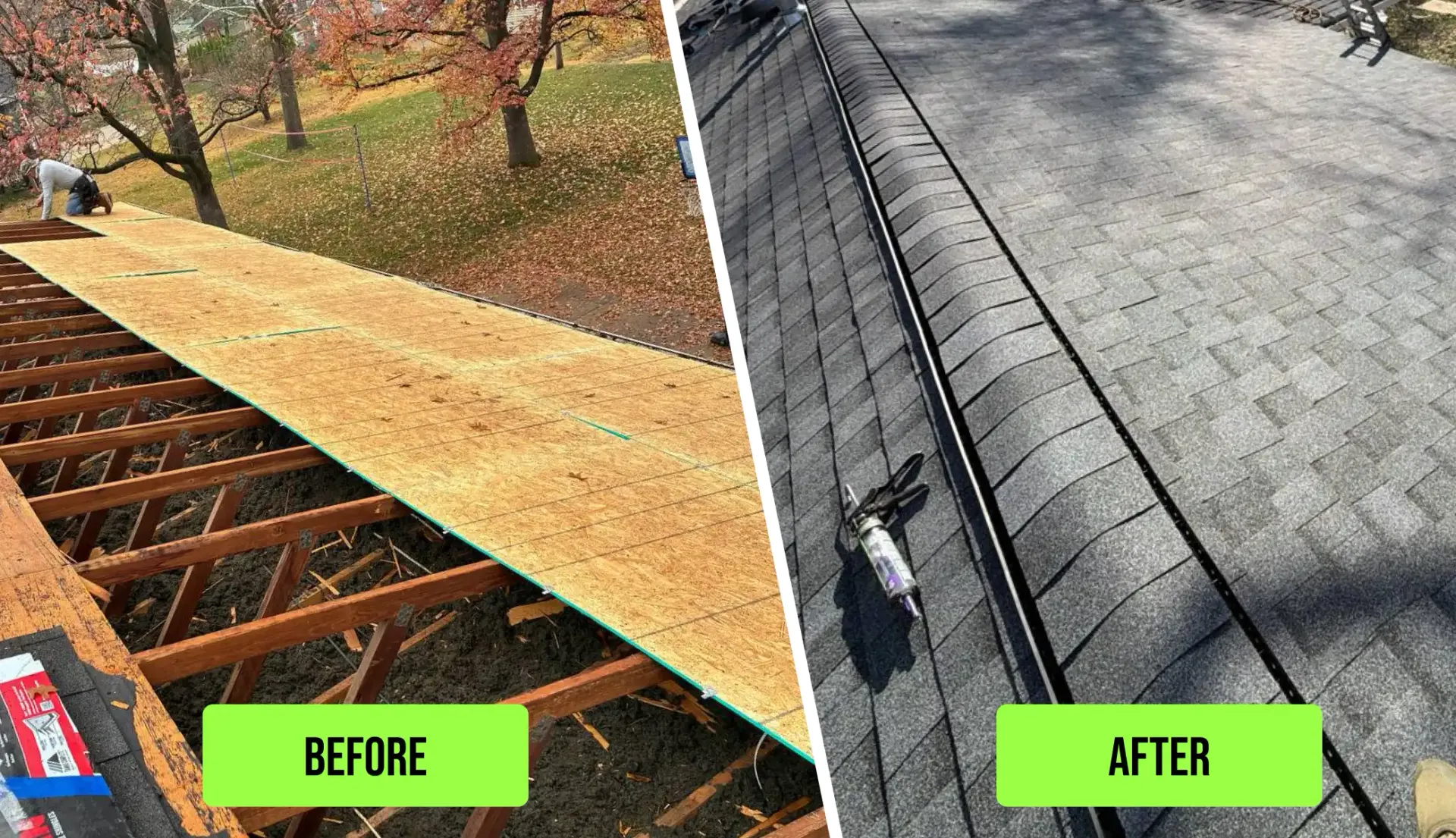
But roofs are a long game. Spread the cost over the life of the roof and the overlay usually loses. It ages faster, it might carry a weaker warranty, and if that hidden deck problem surfaces in five years, you're paying to tear off two layers instead of one. You end up buying a roof and a half.
The cheap roof isn't the one that costs the least at signing. It's the one that costs the least over the years you actually live under it.
If budget is the sticking point, that's a conversation worth having openly. There are financing options that make a proper tear-off manageable, and every roof we install carries the 10 Year Gorilla Guarantee, the longest workmanship warranty in the region. That guarantee means a lot more when it's sitting on a clean deck instead of somebody's old shingles.
So What Should You Do?
Start by finding out how many layers you already have and getting eyes on your decking. You can't make a smart call without those two facts, and a driveway estimate won't give them to you.
When we come out, we get on the roof, count the layers, check the deck condition where we can, and tell you straight whether an overlay is even worth considering for your home. If tear-off is the right answer, we'll show you why. If your roof is the rare good candidate for an overlay, we'll say that too. Either way you get a real recommendation, not a pitch. Book a free inspection and we'll give you the honest read before you spend a dime.