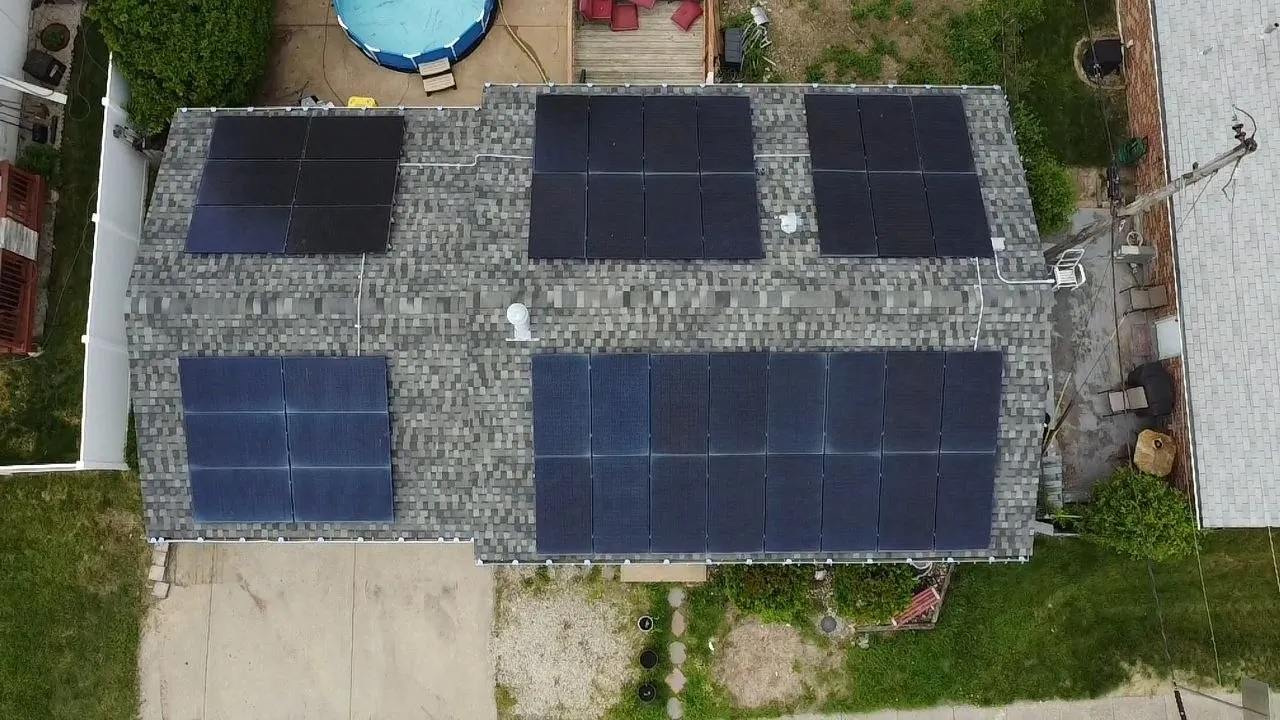
Solar makes a lot of sense in the St. Louis metro. The panels last 25 to 30 years, the utility credits add up, and once they're paid off the power is close to free. But there's one question most homeowners skip right past, and it's the one that costs the most to get wrong: is the roof underneath ready to carry those panels for the next three decades?
We get called out to a lot of homes where panels went on a roof that had maybe five years left in it. Now the shingles are shot, the roof needs replacing, and every one of those panels has to come off and go back on. That's a bill nobody wanted. So before you sign anything with a solar company, let's talk about the roof.
Match The Roof's Lifespan To The Panels'
This is the whole ballgame. Solar panels are built to run 25 to 30 years. A good asphalt shingle roof runs about the same. The trick is lining those two clocks up so they're roughly at zero together.
If your roof is brand new or close to it, you're in great shape. Put the panels on and don't think about it again. If your roof is halfway through its life, that's where the math gets real. Here's how the age breaks down:
- Under 5 years old: green light, no roof work needed
- 5 to 12 years: usually fine, but get an honest inspection first
- 12 to 18 years: strongly consider replacing before panels go on
- 18+ years: replace the roof first, no question
The cost to pull panels off and reset them after a roof replacement can run several thousand dollars. If your roof is going to need replacing during the life of the panels, it's cheaper to do the roof first.
The Real Cost Of Doing It In The Wrong Order
Say you put panels on a 15-year-old roof. Five or six years later, the shingles are done. To replace the roof, the solar company has to come out, disconnect and remove every panel, store them, and reinstall them after we're finished. That's labor on top of labor, plus the roof itself. Real numbers:
- Removal and reinstall runs about $150 to $300 per panel around here
- A typical 20-panel home system: $3,000 to $6,000 — on top of the roof replacement
- Some companies add storage or trip fees while the roof work happens
- Panels off, roof, panels back on usually adds a week or more to the job
Doing the roof first means one crew, one job, done. The panels go on a fresh deck that'll outlast them. If you're weighing a replacement anyway, our roof replacement team can tell you exactly how many years your current roof has left before you commit to solar.
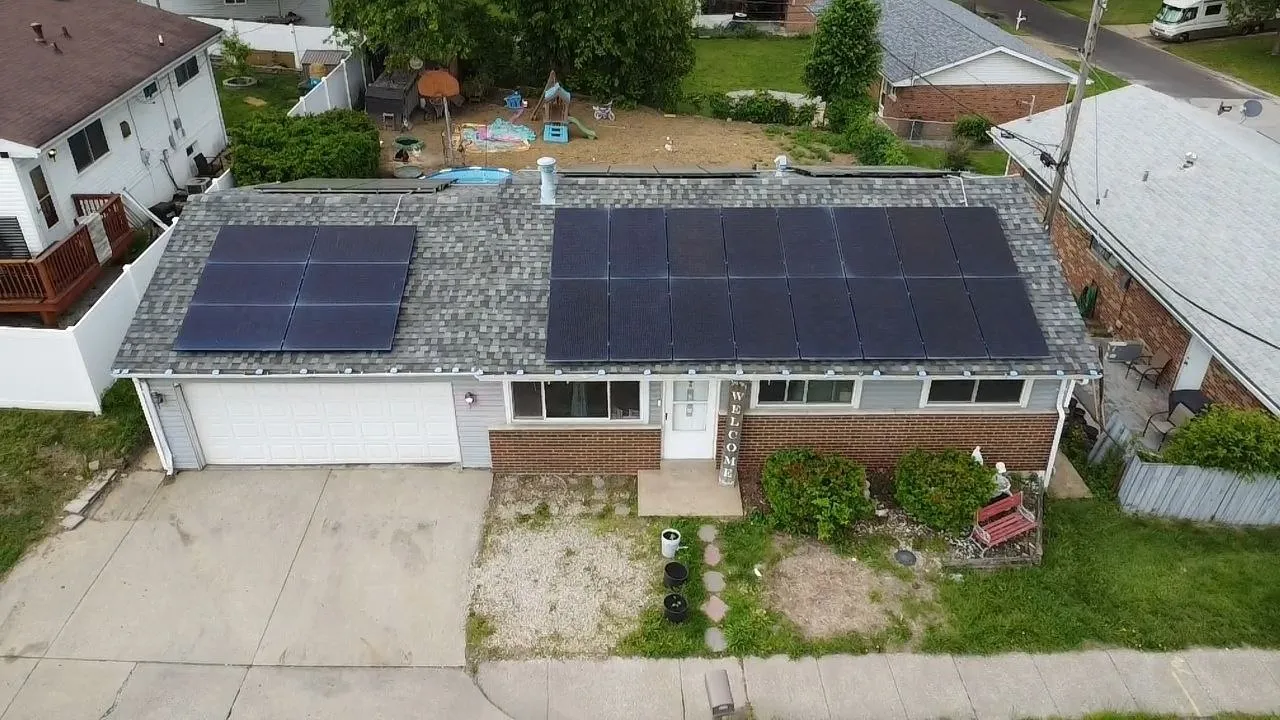
The order matters more than almost anything else in this decision. Get it backward and you pay twice.
One wrinkle worth knowing before you sign: who owns the panels changes who controls that bill. If you own them outright, you can shop the removal and reinstall work. If they're leased or financed through the solar company, the contract usually says who's allowed to touch them and what it costs — and it's rarely the cheap option. Read that part before the roof ever needs work, not after.
What The Roof Needs To Handle Panels
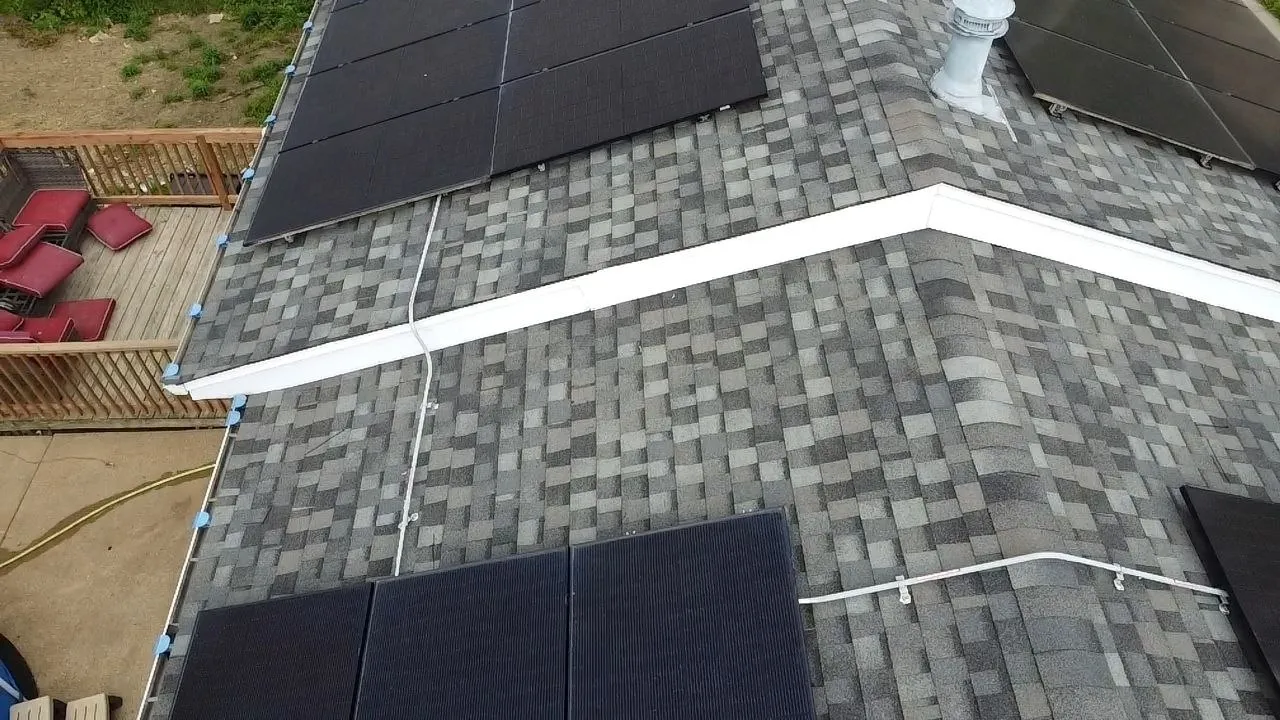
Panels aren't just laid on top of shingles. The mounts get bolted through the shingles and into the rafters or decking. That means the structure underneath has to be sound, not just the surface.
- Solid decking with no rot or soft spots around the mounting points
- Rafters strong enough to carry the added weight (panels add roughly 3 to 4 pounds per square foot)
- Flashing done right at every penetration so those bolt holes don't leak
- A shingle in good enough shape that it won't crumble when the mount goes through it
Every mount is a hole in your roof. Done right, it's sealed and flashed and never gives you trouble. Done wrong, it's a slow leak you won't notice until there's a stain on the ceiling. This is why we care so much about who does the flashing.
Storms, Warranties, And The Fine Print
St. Louis gets hail, high wind, and the occasional tree branch through the roof. When a storm damages a roof with panels on it, the claim gets more complicated. The panels may need removal to properly inspect and repair the roof, and coordinating that between your solar provider and the roofer takes some doing.
If a storm does hit, our storm damage repair crew handles the roof side and works with your solar installer on getting panels off and back on. Keep the paperwork from both installs in one place so a claim moves faster.
One more thing on warranties. When panels are bolted into your roof by a third party, it can affect your roofing workmanship warranty depending on who did what. Ask both companies straight out how the two warranties interact before anyone drills a hole. A roof replaced fresh before solar keeps your 10 Year Gorilla Guarantee clean and clear.
The Honest Move Before You Go Solar
Get the roof inspected before you talk numbers with a solar company. Not a five-minute driveway look, a real inspection where somebody gets up top, checks the decking, the shingle condition, and the flashing points, and gives you a straight answer on how many years are left.
If the roof has a decade or more of honest life left, go solar and don't look back. If it's getting up there, do the roof first. It's the cheaper path almost every time, and it means your panels sit on a deck that'll carry them the whole way. We'll tell you which one you're looking at, even when the answer is that you don't need us yet.