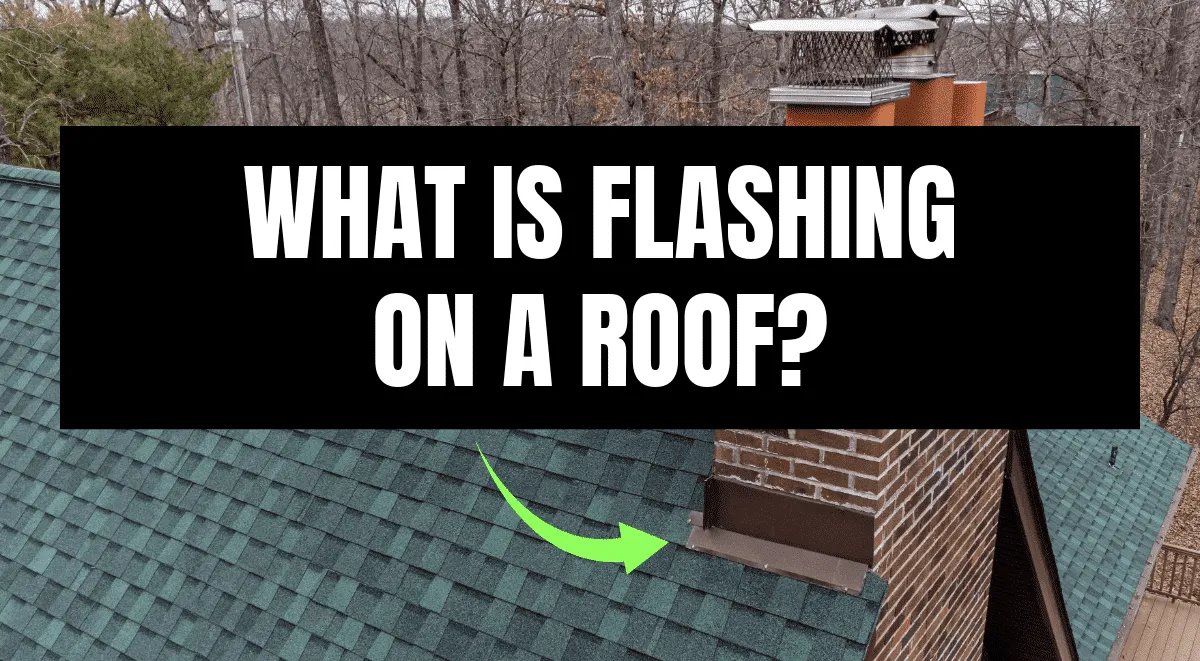
When it comes to roofing, many homeowners focus on shingles, tiles, or metal panels. However, there's a critical component that often goes unnoticed: roof flashing. Despite its subtle presence, flashing plays a pivotal role in safeguarding your home from water intrusion and structural damage. Understanding what roof flashing is, its types, materials, and maintenance can help you ensure the longevity and integrity of your roofing system.
What Is Roof Flashing?
Roof flashing is a thin material, typically made of metal, installed at various points on a roof to prevent water from seeping into the structure. It's strategically placed around areas where the roof intersects with vertical surfaces or where there are openings, such as chimneys, vents, skylights, and valleys. The primary function of flashing is to direct water away from these vulnerable areas, ensuring it flows safely off the roof and into the drainage system.
Why Is Roof Flashing Important?
The significance of roof flashing cannot be overstated. Without proper flashing, water can infiltrate the roof system, leading to:
- Leaks and Water Damage : Water entering the home can damage ceilings, walls, insulation, and even the foundation.
- Mold and Mildew Growth : Persistent moisture fosters mold and mildew, posing health risks to occupants.
- Structural Deterioration : Over time, water can weaken the roof deck, rafters, and other structural components.
Types of Roof Flashing
Different areas of a roof require specific types of flashing to effectively prevent water intrusion. Here are some common types:
- Step Flashing : Used where the roof meets a vertical wall, such as around chimneys or dormers. It consists of rectangular pieces of flashing bent at a 90-degree angle and installed in layers with shingles.
- Valley Flashing : Installed in the valleys where two roof planes meet. It channels water down the roof and into the gutters.
- Drip Edge Flashing : Placed along the edges of the roof to guide water into the gutters and prevent it from seeping under the roofing material.
- Vent Pipe Flashing : Fits around pipes that protrude through the roof, sealing the area to prevent leaks.
- Chimney Flashing : Includes step flashing along the sides and counter flashing embedded into the chimney mortar joints to protect against water intrusion.
- Skylight Flashing : Custom-designed to fit around skylights, ensuring a watertight seal.
Each type of flashing serves a specific purpose, and proper installation is crucial to its effectiveness.
Materials Used in Roof Flashing
The choice of material for roof flashing depends on factors like climate, roof design, and budget. Common materials include:
- Aluminum : Lightweight and corrosion-resistant, aluminum is easy to work with but may require coating to prevent reactions with certain materials.
- Copper : Durable and aesthetically pleasing, copper develops a patina over time. It's more expensive but offers longevity.
- Galvanized Steel : Strong and cost-effective, galvanized steel is coated to resist rust but may corrode over time if the coating wears off.
- Lead : Highly malleable and long-lasting, lead is often used in historic restorations but is less common today due to health concerns.
- Zinc Alloy : Offers durability and resistance to corrosion, making it suitable for various climates.
Selecting the appropriate material ensures the flashing performs effectively and complements the roofing system.
Common Issues with Roof Flashing
Despite its importance, roof flashing can encounter problems, including:
- Improper Installation : Incorrectly installed flashing may leave gaps or fail to direct water properly.
- Corrosion and Rust : Over time, metal flashing can corrode, especially if protective coatings wear off.
- Physical Damage : Storms, falling debris, or foot traffic can damage flashing, compromising its integrity. If you suspect storm damage to your flashing, visit our Insurance Claim Process for Roof Damage guide to learn how to file a roofing claim with confidence.
- Aging and Wear : Exposure to the elements causes flashing to deteriorate, necessitating replacement.
Regular inspections can identify these issues early, preventing more significant damage. Wondering when it’s time to replace your flashing? Learn the key signs and benefits in The Importance of Replacing Roofing Flashing .
Maintaining Roof Flashing
Proper maintenance extends the life of roof flashing and includes:
- Regular Inspections : Check flashing at least twice a year and after severe weather events.
- Cleaning Debris : Remove leaves, branches, and other debris that can trap moisture.
- Sealing Joints : Ensure that all joints and seams are sealed with appropriate materials to prevent leaks.
- Prompt Repairs : Address any signs of damage or wear immediately to prevent water intrusion.
Engaging a professional roofing contractor for inspections and maintenance ensures that flashing remains in optimal condition.
Protecting Your Home Starts at the Top
Roof flashing may be a small component, but its role in protecting your home is immense. By directing water away from vulnerable areas, it prevents leaks, mold growth, and structural damage. Understanding the types, materials, and maintenance of roof flashing empowers homeowners to make informed decisions and safeguard their investment.
You can also protect your roofing investment with a strong warranty —ensuring you're covered in the event of future damage or unexpected repairs.
When installed and maintained correctly, flashing becomes a long-term guardian of your home's structural integrity.
Contact Gorilla Roofing for Expert Flashing Services
Whether you're dealing with old, damaged flashing or planning a full roof replacement, Gorilla Roofing is here to help. Our team specializes in identifying problem areas, installing high-quality flashing, and ensuring your roof stands strong against the elements. We use only top-tier materials and industry-best techniques to protect your home where it matters most.
Call us at (636) 295-1212 Request a FREE roofing estimate
Don’t wait until a small leak becomes a big problem. Contact us today for a free inspection and expert advice on your roofing needs!