
Most homeowners think of roof ventilation as something that only matters in the summer—or something only roofers talk about. But here’s the truth: roof ventilation affects your home’s comfort and your energy bills every single month of the year.
In Missouri, where we bounce between humid summers, surprise cold snaps, and everything in between, proper ventilation isn’t just a luxury. It’s a money-saving necessity that protects your roof, improves indoor comfort, and reduces wear on your HVAC system.
If you want to lower your monthly utility bills, extend the life of your roof, and prevent issues like mold or attic heat buildup, this is the guide for you.
1. What Roof Ventilation Really Does (in Plain English)
Roof ventilation is a system that moves air in and out of your attic. It typically includes:
-
Intake vents (located along the soffits)
-
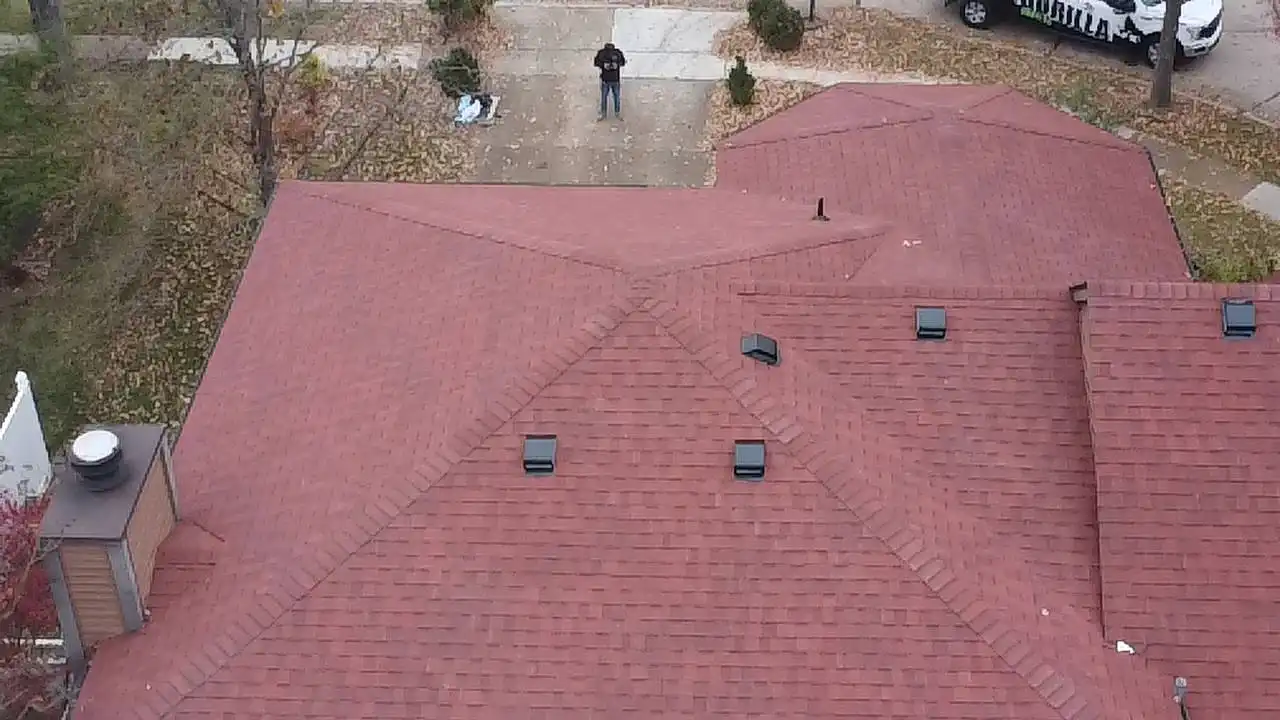
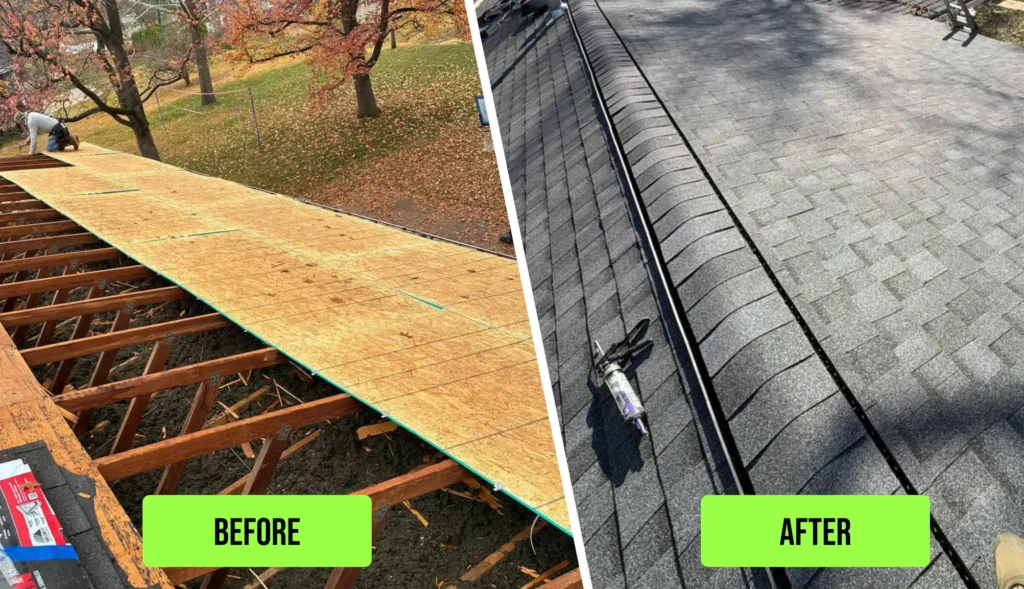
Exhaust vents (ridge vents or box vents at the roof’s peak)
Together, they create a healthy airflow cycle:
- Cool air enters through the intake vents.
- Warm air rises and escapes through the exhaust vents.
- Your attic stays close to the outdoor temperature.
In other words, ventilation keeps the attic from becoming a sauna in summer or a moisture trap in winter.
2. The Energy Bill Impact: It’s Bigger Than Most Homeowners Expect
Many don’t realize attic ventilation directly affects heating and cooling efficiency.
Here’s how:
In the summer:
Without ventilation, your attic can reach 130–160°F easily.
That heat radiates downward into your home, forcing your AC system to run nonstop.
With proper ventilation, hot air escapes before it turns your attic into a convection oven.
In the winter:
Warm, moist indoor air rises into the attic.
Without ventilation, it gets trapped—and trapped moisture leads to mold, insulation damage, and ice dams.
Proper ventilation lets moisture escape, keeping insulation dry and effective.
According to Energy.gov, proper attic ventilation can help reduce cooling costs by improving heat transfer and minimizing temperature load:
3. How Poor Ventilation Raises Your Utility Bills
If your ventilation system isn’t working correctly, you’ll see the effects on your monthly bills.
1. Your air conditioner runs longer
Hot attics force AC units to work harder, especially during Missouri summers.
2. Your heater becomes less efficient
Wet insulation loses its R-value (its ability to resist heat flow), making your heater work harder in the winter.
3. HVAC lifespan decreases
More strain = more repairs and earlier replacement.
4. Rooms become unevenly hot or cold
Upper floors feel hotter in summer and colder in winter.
5. Ice dams form on the roof edge
This leads to leaks, repairs, and interior water damage.
Small ventilation problems cause large financial issues over time—often without homeowners realizing the cause.
4. Proper Ventilation Extends the Life of Your Roof
This is one of the biggest benefits.
Roofing manufacturers—especially premium brands like CertainTeed—stress proper ventilation because it directly affects shingle longevity.
Without good airflow:
-
Heat cooks shingles from underneath
-
Moisture breaks down wood decking
-
Condensation causes mold and rot
-
Premature shingle curling becomes common
-
Roof warranties can be voided due to inadequate ventilation
If you’re considering new shingles or a full replacement, this is the time to get ventilation right.
5. How Roof Ventilation Works in Each Season
Spring
Moisture and humidity spike. Ventilation prevents condensation and mold in attics.
Summer
Attic temperature skyrockets. Ventilation keeps heat from radiating into living spaces.
Fall
Leaves and debris can block soffit vents. A fall inspection ensures airflow is not restricted.
Winter
Warm indoor air rises, hits cold roof decking, and forms condensation.
Ventilation prevents moisture buildup, protects insulation, and reduces heating costs.
Ventilation works 365 days a year—not just when it’s hot.
6. How to Tell If Your Roof Ventilation Is Poor
Many homeowners don’t realize their ventilation isn’t working well until a roofer points it out. But there are warning signs:
Exterior signs:
-
Shingles curling prematurely
-
Ice dams on roof edges
-
Excessive granule loss
-
Hot roof surfaces
Interior signs:
-
High upstairs temperatures
-
Stuffy or humid attic
-
Musty smell in attic
-
Mold on rafters or sheathing
-
Frost buildup on attic nails in winter
If you’ve seen two or more of these, your ventilation likely needs attention.
7. The ROI: How Much Can Good Ventilation Save You?
Savings vary by home, but here’s what Missouri homeowners can expect:
Lower energy bills
A properly ventilated attic can reduce cooling costs by 10–15% during peak summer months.
Longer HVAC lifespan
Reduced attic heat extends the life of your AC and furnace.
Less mold and moisture damage
Dry insulation saves you hundreds per year in energy efficiency alone.
Longer roof lifespan
A well-ventilated roof lasts longer, saving thousands on early replacement.
Ventilation doesn’t just pay for itself—it pays you back for the rest of your roof’s life.
If your roof is older or you’re noticing ventilation symptoms, upgrading during replacement is the smartest move.
8. Common Ventilation Mistakes That Increase Energy Bills
Contractors sometimes install ventilation incorrectly or incompletely. The biggest mistakes include:
1. Ridge vents installed without soffit vents
This traps hot air—no air intake = no airflow.
2. Bathroom exhaust fans vented into the attic
This pumps humidity directly into your roof system.
3. Insulation blocking soffit vents
A common issue in older homes.
4. Too many different vent types mixed together
Competing airflow reduces ventilation efficiency.
5. Not enough ventilation for home size
Ventilation requirements are based on attic square footage—not guesswork.
If ventilation looks “off” or you’re not sure if your attic is breathing properly, a quick inspection solves the mystery.
9. When It’s Time to Upgrade Ventilation
Ventilation upgrades may be needed if:
-
Your roof is over 15–20 years old
-
You’ve had mold issues before
-
You see ice dams in winter
-
Your attic feels humid or stuffy
-
Upstairs rooms are much hotter than downstairs
-
You’re installing new shingles soon
Ventilation doesn’t require a roof replacement—but it’s most cost-effective to do it during one.
10. Final Thoughts: Roof Ventilation Is a Long-Term Money Saver
The takeaway is simple:
Good ventilation protects your roof, reduces energy bills, and makes your home more comfortable year-round.
Most homeowners don’t think about ventilation until there’s a problem—but it’s one of the most cost-effective upgrades you can make.
If you’re unsure whether your roof is ventilated properly, or you’re noticing high energy bills and inconsistent home temperatures, a quick inspection can tell you everything you need to know.
Roof ventilation may not be flashy, but it’s one of the biggest long-term wins for your budget, comfort, and home value.