
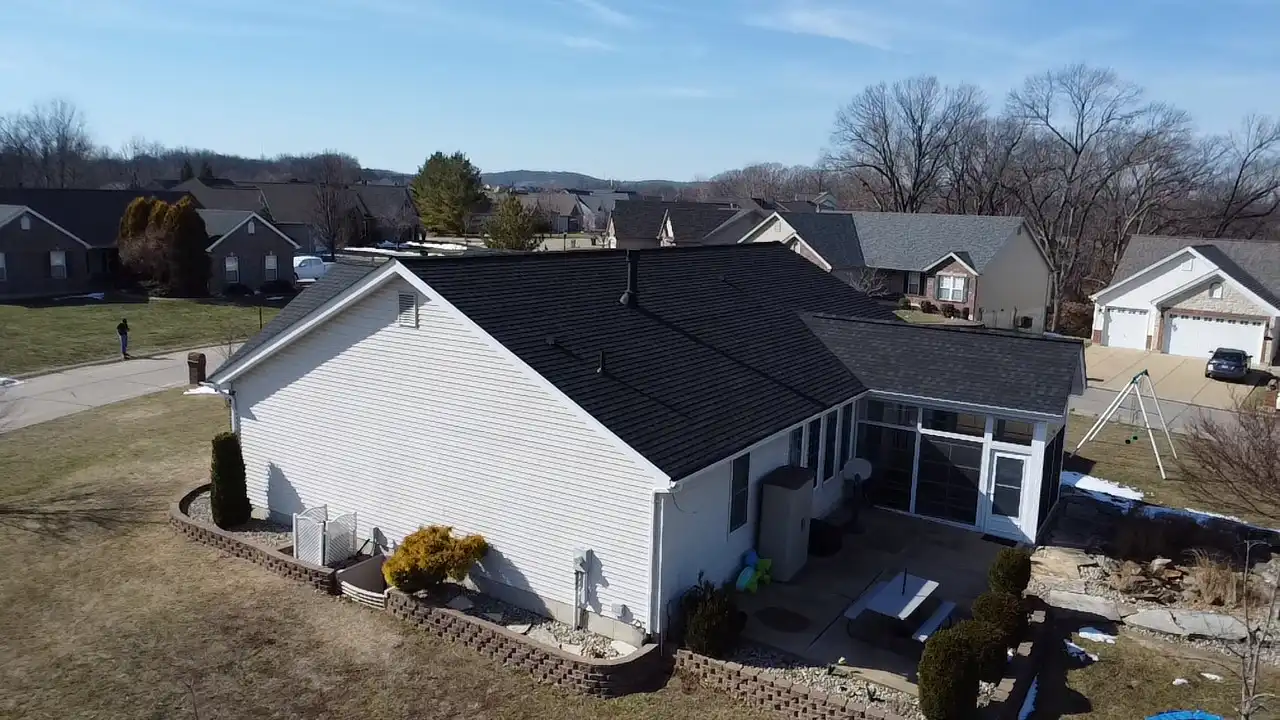
If siding lasted exactly as long as manufacturers promised, homeowners in Missouri and Illinois wouldn’t spend nearly as much time wondering when replacement is actually necessary.
You’ve probably heard numbers like 20 years, 30 years, or even “lifetime.” Those sound reassuring — until Midwest weather gets involved. Heat, cold, humidity, wind, and constant freeze-thaw cycles have a way of shortening timelines quietly.
So how long does house siding really last here?
The honest answer is that it depends less on the number printed on the brochure and more on what your home has been exposed to over time. This guide explains what homeowners in Missouri and Illinois can realistically expect, without marketing fluff or worst-case scare tactics.
Why Siding Lifespan Is Different in the Midwest
Homes in Missouri and Illinois don’t experience gentle seasons. They experience weather mood swings.
Summers bring heat and humidity. Winters bring freezing temperatures and moisture. Spring and fall add wind, rain, and temperature changes that seem to happen overnight. All of that forces siding materials to expand, contract, absorb moisture, dry out, and repeat the cycle again and again.
That constant movement is what shortens siding lifespan more than age alone. A material that performs well in a mild climate may struggle here simply because it’s being asked to do more work.
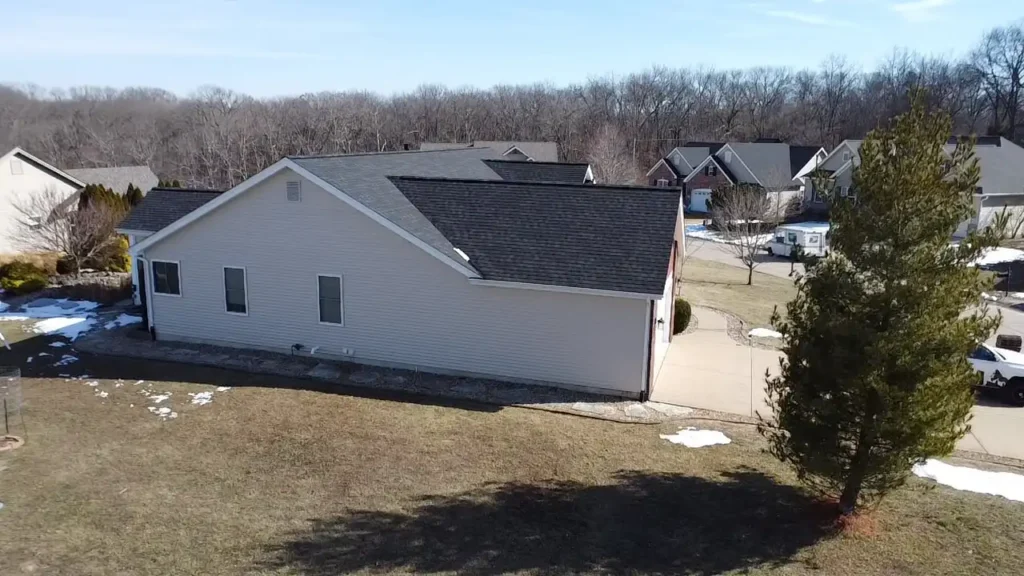
Why “Expected Lifespan” Is a Starting Point, Not a Promise
When manufacturers talk about siding lifespan, they’re describing ideal conditions. Proper installation. Proper ventilation. Minimal moisture exposure. No extreme temperature swings.
That’s not real life in Missouri or Illinois.
Two homes with the same siding installed the same year can age very differently. One might be shaded, protected from wind, and well-ventilated. The other might face prevailing winds, receive full sun, and deal with recurring moisture. The siding on those homes will not age the same.
That’s why siding doesn’t fail on a schedule. It fails when stress accumulates faster than the material can handle.
Vinyl Siding: Long-Lasting, With Limits
Vinyl siding is popular throughout the Midwest because it’s affordable and relatively low maintenance. Structurally, it often lasts decades.
Winter changes how vinyl behaves, though. Cold temperatures make it more rigid. Over time, repeated freeze-thaw cycles increase the risk of cracking, especially after hail or wind-blown debris impacts. Expansion and contraction can also become more noticeable year after year.
Many vinyl siding replacements happen not because the siding completely failed, but because it no longer looks or performs the way homeowners want it to.
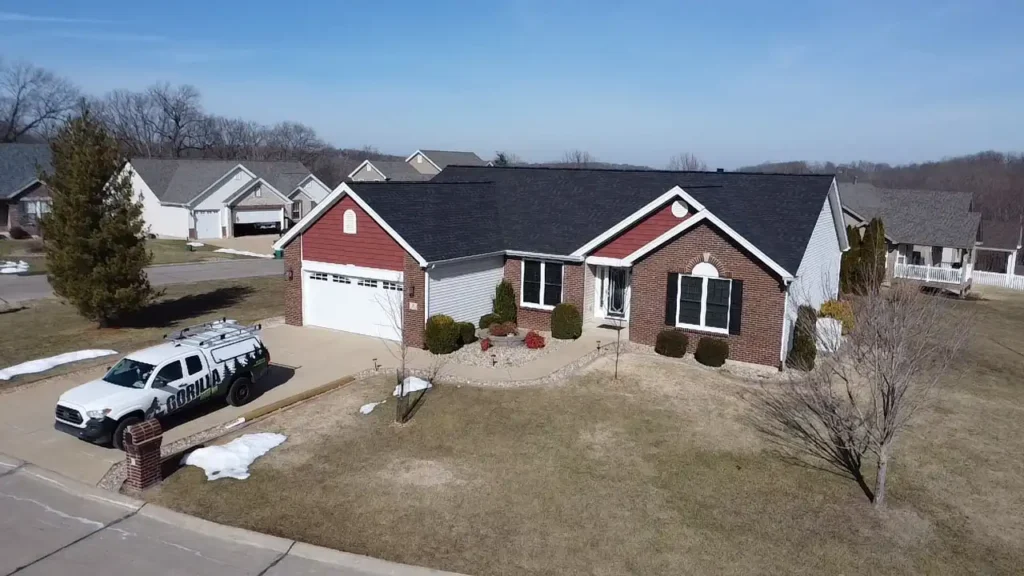
Fiber Cement Siding: Durable, But Not Maintenance-Free
Fiber cement siding is known for durability, and it generally holds up well in Midwest climates when installed and maintained correctly.
Cold temperatures don’t make fiber cement brittle the way they do vinyl. It resists impact well and stays more dimensionally stable during temperature swings. That stability is a big reason it often lasts longer structurally.
The tradeoff is maintenance. Paint and sealants protect fiber cement from moisture. When those coatings are neglected, moisture can penetrate and shorten lifespan — especially during repeated freeze-thaw cycles.
In Missouri and Illinois, fiber cement siding often lasts a very long time, but only when homeowners stay ahead of maintenance rather than reacting to visible damage.
Why Moisture Matters More Than Most People Realize
Moisture is the quiet factor behind most premature siding failures.
According to the U.S. Department of Energy, repeated moisture intrusion and slow drying can significantly shorten the life of exterior wall systems — particularly in climates with frequent freeze-thaw cycles like Missouri and Illinois. When moisture lingers behind siding, it accelerates material breakdown long before damage is visible from the outside.
https://www.energy.gov/energysaver/moisture-control
This is why siding can look “fine” until it suddenly isn’t.
Why Installation Matters More Than Material
This is the part homeowners don’t always expect.
A well-installed siding system almost always outperforms a better material that was installed poorly. Flashing, moisture barriers, spacing, and ventilation determine how siding ages just as much as the siding itself.
Many premature siding failures aren’t caused by the material wearing out. They’re caused by trapped moisture, improper fastening, or missing drainage paths behind the siding.
That’s why replacement decisions should always consider the entire wall system — not just what’s visible from the curb.
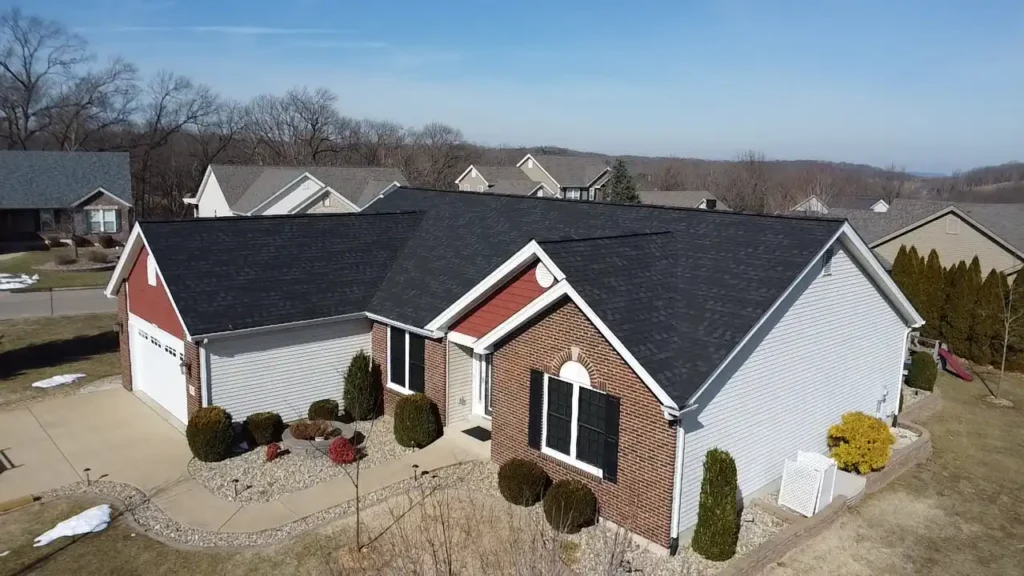
How Weather Exposure Shortens Siding Life
Siding that faces prevailing winds or receives constant sun ages faster. Walls that stay damp longer after rain or snow experience more stress. Homes in open areas see more wind-driven moisture.
These aren’t defects. They’re environmental realities. But they explain why siding lifespan varies even within the same neighborhood.
Over time, exposure patterns matter more than installation dates.
Storms, Insurance, and Hidden Damage
Midwest storms don’t just affect roofs. Siding takes hits too.
Hail impacts, wind pressure, and debris strikes can weaken siding long before obvious damage appears. Vinyl may crack later. Fiber cement may develop hairline fractures. Moisture may begin entering behind panels without visible signs.
That hidden damage is often why siding seems to “fail early.”
When Siding Replacement Makes More Sense Than Repair
Small siding issues are often repairable. But once moisture intrusion becomes widespread or panels start failing in multiple areas, replacement becomes the more practical long-term solution.
Repeated patchwork fixes rarely extend lifespan meaningfully. They usually delay the inevitable while allowing hidden damage to continue.
Knowing when to move from repair to replacement is one of the most important siding decisions a homeowner can make.
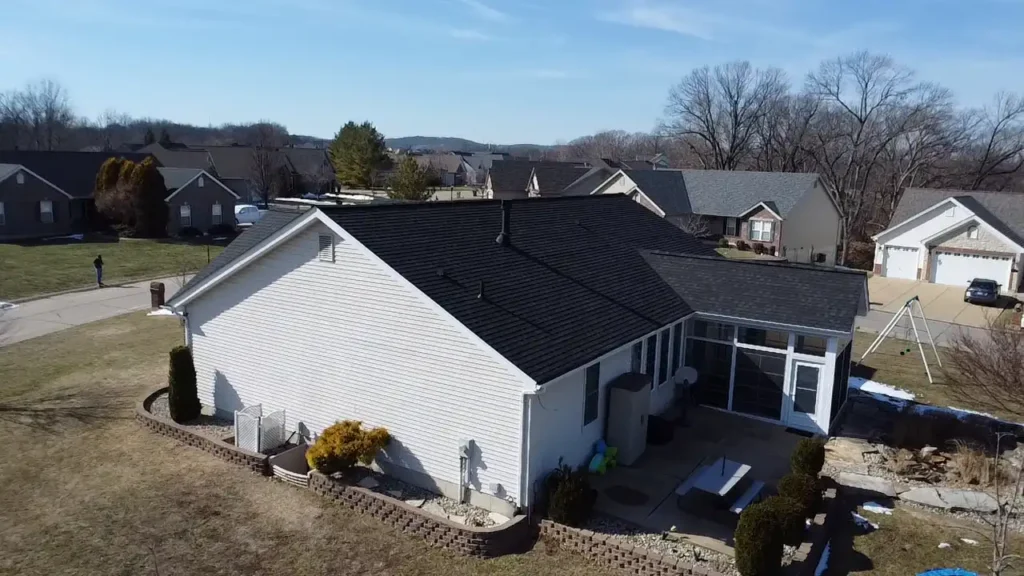
So How Long Does Siding Really Last Here?
In Missouri and Illinois, siding lifespan depends less on the label and more on reality.
Homes with good installation, proper drainage, and routine maintenance often see siding last decades. Homes exposed to heavy weather with deferred maintenance see problems much sooner.
The material matters — but context matters more.
Final Thoughts: Lifespan Is About Conditions, Not Promises
Siding doesn’t fail because a calendar page turns. It fails when stress outpaces protection.
Understanding how long siding really lasts in Missouri and Illinois means looking honestly at weather exposure, installation quality, and maintenance habits — not just warranty language.
If your siding is showing signs of wear, moisture issues, or repeated damage, an inspection can help determine whether you’re dealing with cosmetic aging or the early stages of failure. Either way, clarity beats guessing — especially before winter adds more stress to the system.