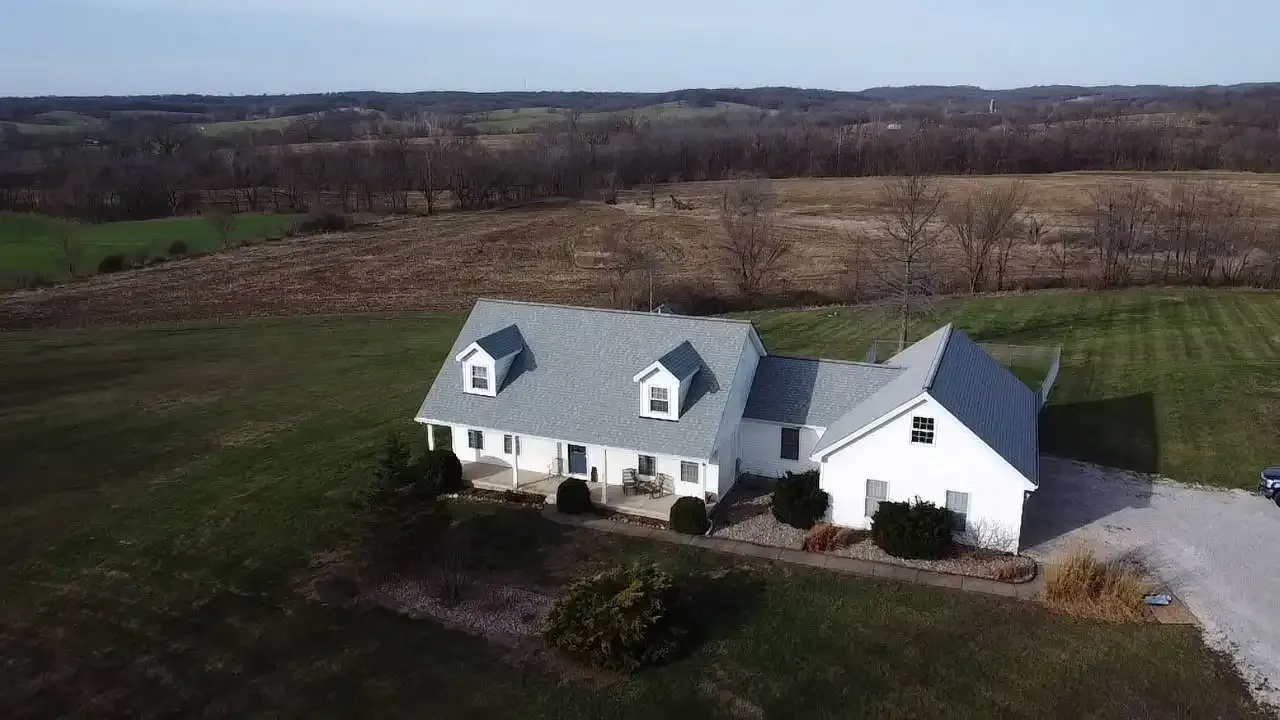
Short answer: yes—you can absolutely replace a roof without insurance.
Longer answer: you probably don't want to… unless you actually need to.
Because this question usually doesn't come from curiosity. It comes from that moment where you're staring at your roof thinking:
"Wait… am I about to pay for this entire thing myself?"
Let's walk through what's actually going on here—without sugarcoating it.
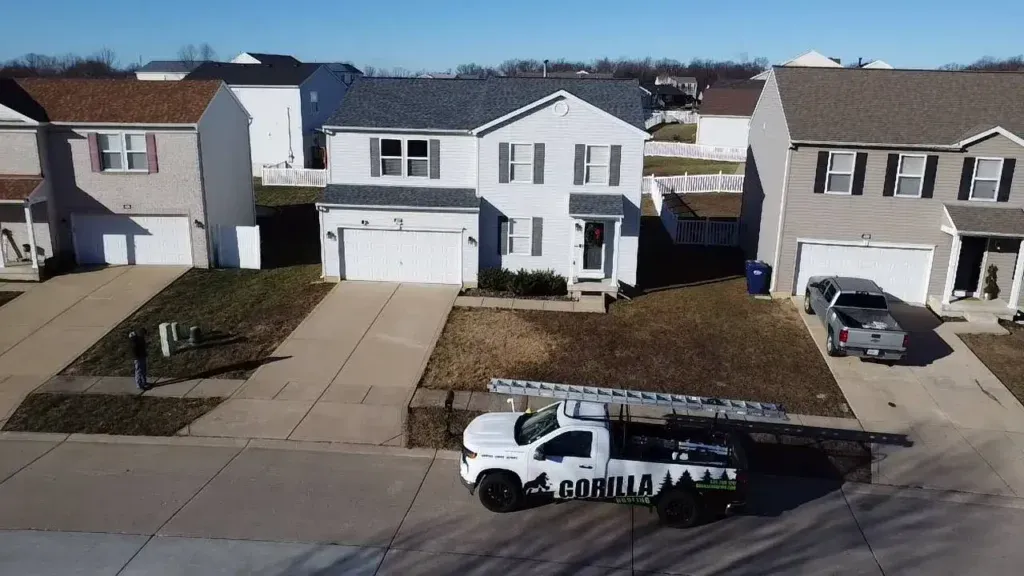
Why This Question Comes Up in the First Place
Nobody casually researches roof replacements for fun.
This usually starts with something like:
- A leak that showed up out of nowhere
- Shingles that look… suspicious at best
- A contractor saying, "Yeah, you might need a new roof" (which is never a comforting sentence)
And somewhere in that process, insurance enters the conversation.
Or doesn't.
That's when things get confusing.
Because a lot of homeowners assume insurance will just step in and cover it.
Sometimes that's true. A lot of times… it's not.
When Insurance Actually Covers a Roof
Insurance is designed to cover sudden, unexpected damage.
Think:
- Hail storms
- High winds
- Falling debris
Basically, things that happen to your roof—not things that happen over time.
If your roof was damaged in a storm, there's a legitimate chance insurance could help.
If it's just old and worn out? That's a different story.
Resources like the Insurance Information Institute explain this pretty clearly—standard policies are built around events, not aging.
Which is frustrating, because roofs do, in fact, age. Inconveniently. And once a roof passes 15 or 20 years, age starts working against your coverage even before anything goes wrong.
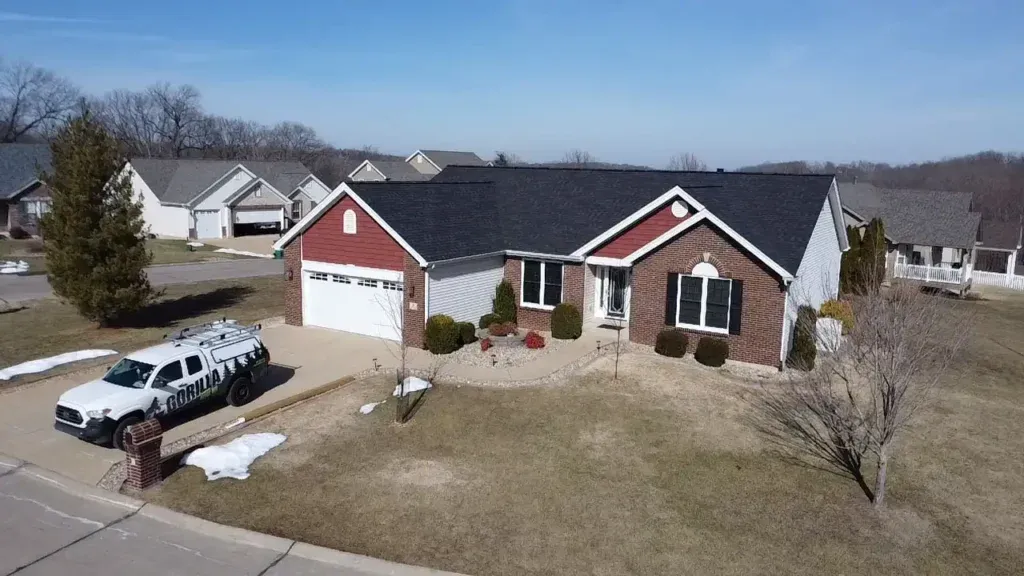
So… Can You Replace a Roof Without Insurance?
Yes. Happens every day.
There's no rule that says insurance has to be involved.
But here's what changes:
Once insurance is out of the picture, you're fully in control—and fully responsible.
No adjuster. No claim process. No one else reviewing damage or helping offset costs.
Just you, the contractor, and the reality of your roof.
Which sounds fine… until you see the numbers.
What It Costs (And Why People Pause Here)
Let's just say it:
A new roof is expensive.
Most homeowners land somewhere between $8,000 and $25,000+, depending on the home, materials, and complexity.
That's not a casual expense. That's a "we should probably sit down for this conversation" expense.
Without insurance, there's no buffer.
You're either:
- Paying cash
- Financing it
- Or hoping the problem magically fixes itself (it won't)
If you haven't looked into it yet, understanding your actual roof replacement scope and cost is step one—because guessing here is how people overspend.
Where People Go Wrong (And It's Common)
Here's the mistake that happens all the time:
Someone assumes insurance won't cover it… and just moves forward paying out of pocket.
No second opinion. No real inspection. No pause.
That's risky.
Because sometimes:
- The damage does qualify
- The issue isn't as bad as it looks
- Or the roof doesn't need full replacement yet
We've seen people replace entire roofs when they could've gotten more life out of them—or handled it with targeted roof repair services.
That's not a small mistake. That's thousands of dollars.
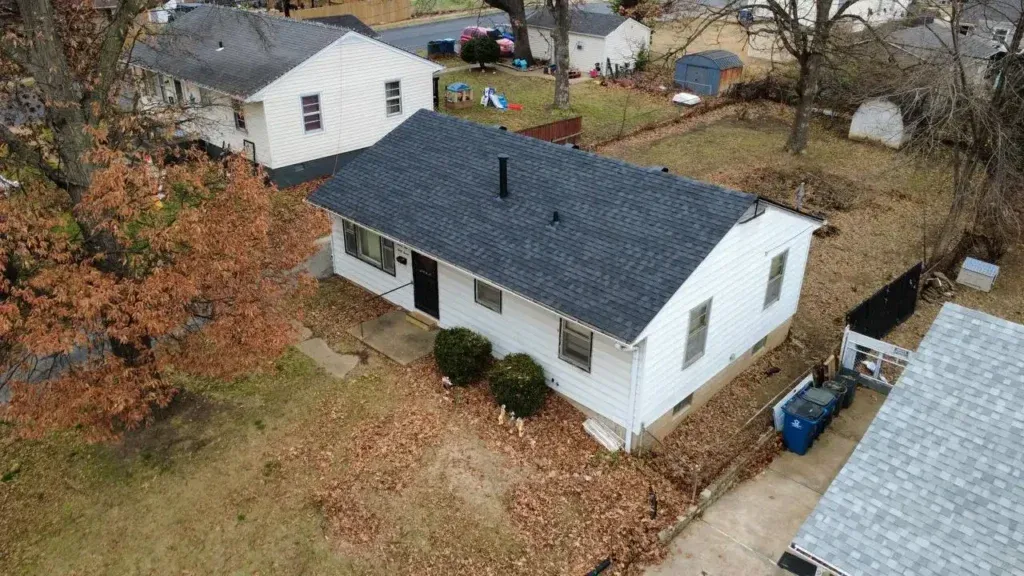
Before You Pay for Anything, Slow Down
This is the part most people skip—and it's the most important.
Before you accept that you're paying out of pocket, you need to answer two questions:
- What condition is your roof actually in?
- Is there any chance damage could qualify for coverage?
That's where a real roof inspection comes in.
Not someone glancing at it from the driveway.
A real inspection.
Because once you write that check (or sign that financing agreement), there's no undo button.
When Paying Out of Pocket Actually Makes Sense
There are situations where skipping insurance is the cleanest path.
For example:
If your roof is just… old.
No storm. No major damage. Just years of weather doing what it does best—slowly wearing everything down.
In that case, filing a claim usually doesn't make sense.
Same goes if:
- The damage is minor
- You'd rather avoid a claim on your record
- You want full control over timing and materials
There's also the reality that insurance claims can affect your policy over time.
If you want a clearer picture of how coverage, claims, and premiums are connected, the National Association of Insurance Commissioners explains how insurers evaluate risk and price coverage.
So yes—sometimes paying out of pocket is the cleaner move.
When You Should Take a Harder Look at Insurance
On the flip side, if there's even a hint of:
- Hail damage
- Wind damage
- Missing or lifted shingles
- Recent storm activity
It's worth taking a closer look.
And this is where people tend to swing too far in either direction.
Some assume:
"Insurance will cover everything."
Others assume:
"There's no way they'll cover this."
Both are wrong more often than you'd think.
The truth usually lives somewhere in the middle—and you won't find it without a proper evaluation.
The Timing Problem Nobody Talks About
Here's something most articles completely ignore:
Timing changes everything.
If your roof is actively leaking, you don't have the luxury of overanalyzing every option.
You need it fixed.
That urgency is what pushes people into quick decisions—often paying out of pocket just to move on.
But if your roof is starting to show issues, not failing yet, you're in a completely different position.
You can:
- Get multiple opinions
- Understand your options
- Plan financially
That's the difference between reacting and actually making a smart decision.
What This Really Comes Down To
Replacing a roof without insurance isn't unusual.
Doing it without fully understanding your situation is.
The smartest homeowners don't start with:
- "Should I pay cash?"
- "Should I finance this?"
They start with:
"What am I actually dealing with here?"
Once you know that, the rest gets a lot clearer.
Before You Assume You're Paying for Everything
There's a big difference between needing a new roof—and being told you need one.
Before you commit to paying out of pocket, it's worth making sure you're not missing something.
We've seen homeowners:
- Replace roofs earlier than necessary
- Miss damage that could've been evaluated differently
- Or rush decisions just to get it over with
You don't need pressure. You need clarity.
Start with a roof inspection and understand exactly what you're dealing with before making a decision.