
When most homeowners think about roof ventilation, they picture summer heat and blazing attics. But in Missouri, winter is where ventilation problems quietly cause the most damage.
Ice dams, condensation, mold, rising heating bills — these don’t usually come from snow itself. They come from warm, moist air getting trapped where it doesn’t belong. And that’s almost always a ventilation issue.
The tricky part? Not all roof vents behave the same in winter. Some work beautifully. Others technically “vent” but create new problems when temperatures drop.
Let’s walk through the most common vent types we see across Missouri homes and how they actually perform when winter hits — not in theory, but in real life.
Why Winter Ventilation Matters More Than Most People Realize
In cold months, your attic becomes the meeting point of two forces:
-
Warm, moist air rising from inside your home
-
Cold exterior air sitting on the roof deck
When that warm air has nowhere to go, it condenses. Moisture builds. Insulation gets damp. Roof decking suffers. Ice dams form at the eaves.
Good winter ventilation does one simple thing very well:
it lets warm, moist air escape before it causes trouble.
Bad or mismatched ventilation lets moisture linger — and moisture is the enemy in winter.
Ridge Vents: The Most Reliable Winter Performer
From a winter perspective, ridge vents tend to be the most consistent option when installed correctly. Because they run along the peak of the roof, they allow warm air to escape evenly across the entire attic rather than from isolated points.
In real-world winter conditions, ridge vents help keep attic temperatures closer to the outdoor temperature. That stability is important. It reduces condensation and minimizes the temperature differences that cause ice dams along roof edges.
That said, ridge vents only work as intended when the rest of the system supports them. Without proper soffit intake vents, even the best ridge vent can’t do its job. When everything is balanced, though, ridge vents quietly protect the attic all winter long.
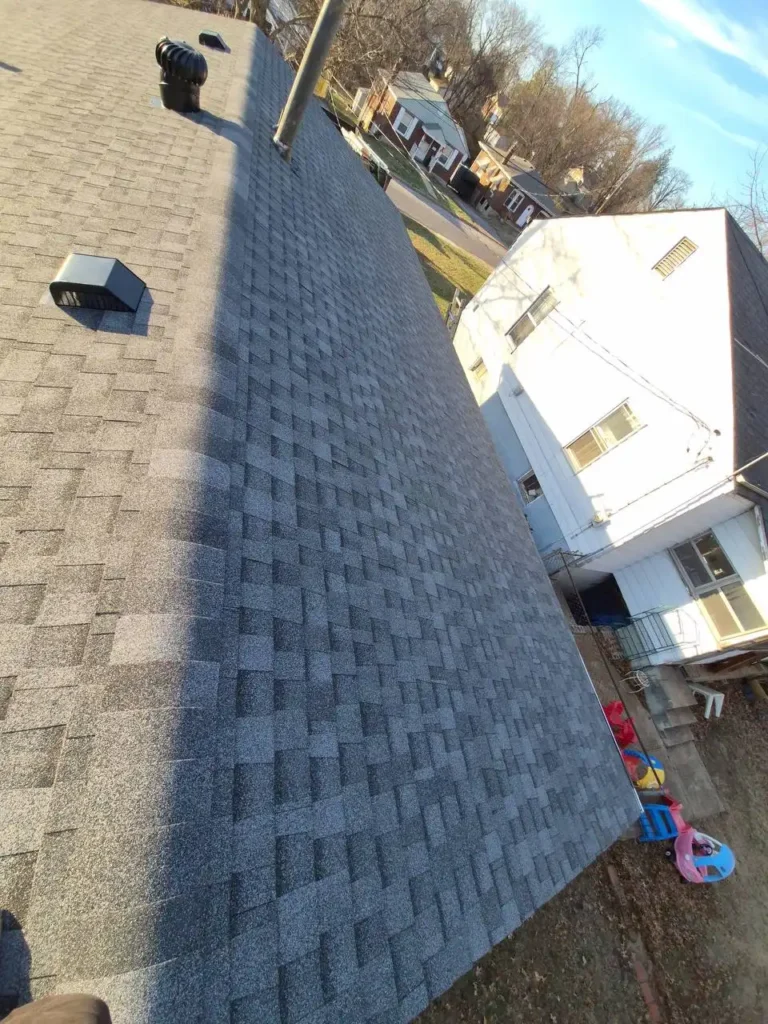
Box Vents: Functional, but Less Forgiving in Cold Weather
Box vents are common across Missouri, especially on homes built in the last few decades. They can work in winter, but they’re less forgiving if placement or intake airflow isn’t ideal.
Because box vents exhaust air from specific locations rather than continuously, warm air can get trapped between vents. In winter, this often leads to uneven attic temperatures and localized condensation issues.
Homeowners with box vents frequently experience attic moisture without realizing ventilation is the cause. The system isn’t failing completely — it just isn’t moving air evenly enough to handle cold-weather moisture.
Turbine Vents: Unpredictable Once Temperatures Drop
Turbine vents rely on wind to spin and pull air out of the attic. In theory, they help remove hot air efficiently. In winter, however, their performance becomes inconsistent.
Cold, calm days reduce airflow. Snow and ice can restrict movement. Over time, freezing temperatures can affect the internal bearings. When turbines stop spinning, ventilation slows down — often without homeowners noticing.
Because winter ventilation requires consistency more than power, turbine vents tend to be less reliable during long cold stretches.
Gable Vents: Common on Older Homes, Often Problematic in Winter
Gable vents are frequently found on older Missouri homes, and they’re one of the most misunderstood vent types.
Instead of allowing warm air to rise and escape, gable vents move air horizontally across the attic. In winter, this can actually trap warm air near the roof deck while pulling cold air into living spaces below.
During inspections, gable vents are often associated with frost buildup, damp insulation, and cold drafts. While they aren’t always harmful, they’re rarely sufficient on their own for modern winter ventilation needs.
Soffit Vents: The Part of the System Homeowners Overlook
Exhaust vents get most of the attention, but intake vents are just as important — especially in winter.
Soffit vents allow cold, dry air to enter the attic at the lowest point. That incoming air pushes warm, moist air upward and out. Without proper intake, ventilation stalls.
One of the most common winter problems we see is soffit vents blocked by insulation or paint. When that happens, moisture has nowhere to go, regardless of how many exhaust vents are installed.
Good winter ventilation always starts with clear soffit airflow.
Why Mixing Vent Types Often Causes Winter Issues
It’s common to see homes with ridge vents, box vents, and gable vents all working together — or trying to.
Unfortunately, mixing vent types often causes airflow competition. Instead of air moving cleanly through the attic, it short-circuits between vents. Some areas get too much airflow. Others get none.
In winter, that imbalance leads directly to condensation and uneven roof temperatures. A single, properly balanced system almost always performs better than multiple vent types working against each other.
Ventilation and Energy Bills: The Winter Connection
Poor winter ventilation doesn’t just affect the roof — it affects your heating costs.
When moisture builds up, insulation loses its ability to trap heat. Damp insulation allows warm air to escape faster, forcing your furnace to work harder and longer.
According to the U.S. Department of Energy, moisture-compromised insulation significantly reduces energy efficiency in cold climates: https://www.energy.gov/energysaver/weatherize/insulation
That’s why ventilation problems often show up as rising energy bills before homeowners ever notice attic damage.
What Works Best for Missouri Winters
For most Missouri homes, the most reliable winter setup includes a continuous ridge vent paired with properly sized soffit intake vents. This combination allows consistent airflow, moisture control, and temperature balance throughout the attic.
If your roof is being replaced, that’s the ideal time to correct ventilation issues permanently.
Final Thoughts: Winter Ventilation Is About Prevention, Not Performance
Good winter ventilation doesn’t make noise. It doesn’t require maintenance. And when it works properly, you never think about it.
That’s the goal.
The right vent system prevents moisture before it causes damage, keeps insulation effective, and protects your roof for years to come. If you’re unsure how your current setup performs in winter, a professional inspection can give you clarity — and peace of mind — before problems start.