A roof is the single most expensive thing on a house that you can't easily see from the driveway. And when you're buying, it's also the item most likely to blow up your budget six months after closing. A roof that looks fine from the street can be two years from a full replacement.
Here's the straight version: the general home inspection you order during the option period is not a roof inspection. It's a glance. If the roof matters to your deal - and it should - you want a roofer up there before you sign anything. Let's walk through what actually happens, what it costs, and how to use what you find to protect your money.
Home Inspector vs. Roofer: They Don't Check the Same Things
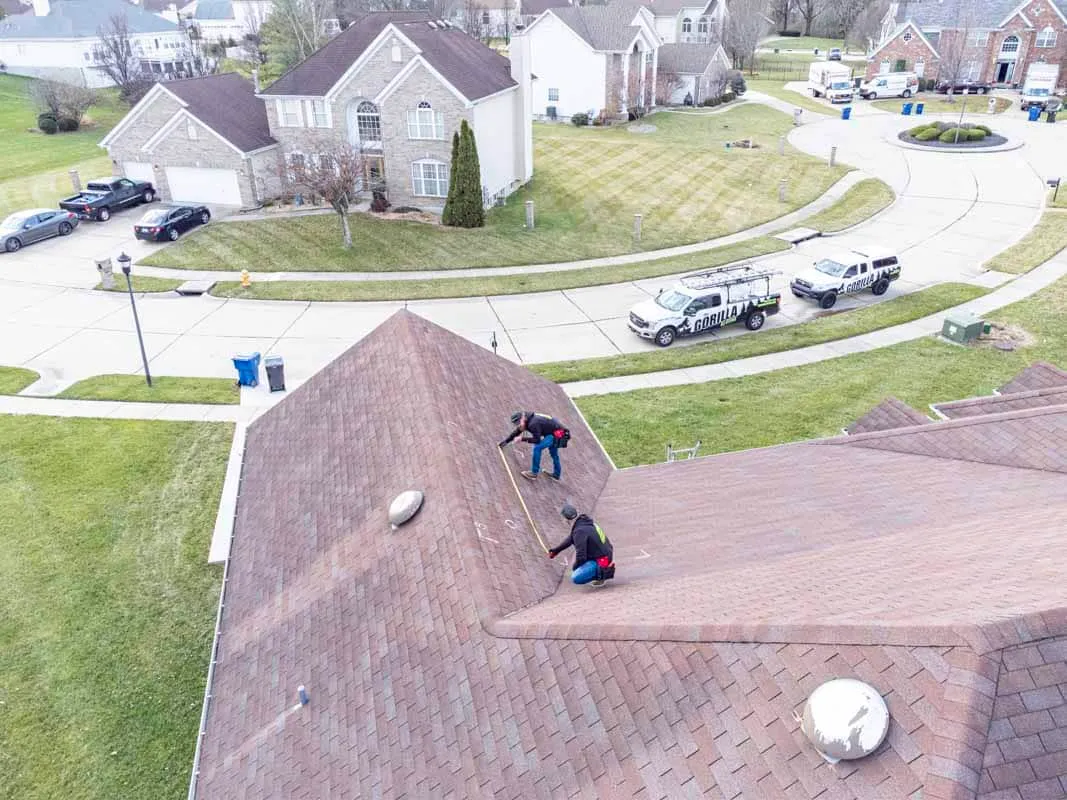
Your general home inspector is a generalist. They cover the whole house in a few hours - electrical, plumbing, HVAC, foundation, and the roof. On the roof, most of them will not walk it. They'll look from a ladder at the eave, or from the ground with binoculars, or fly a drone. That tells you the obvious stuff: missing shingles, a sagging ridge, a busted gutter.
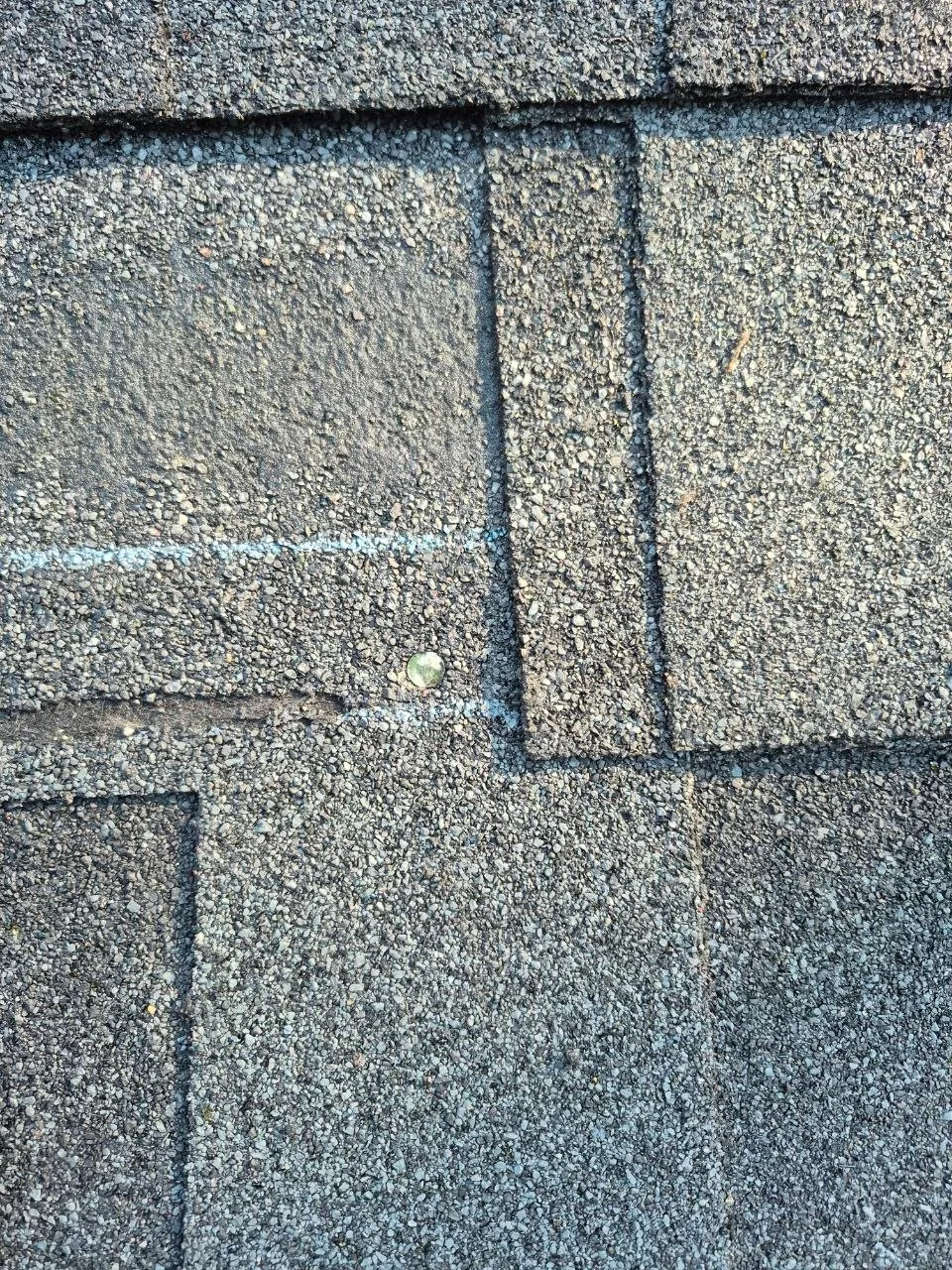
What it doesn't tell you is the stuff that costs real money. Nail pops. Failing pipe boots. Flashing that's rusted through at the chimney. Granule loss that means the shingles are near the end. Decking that's soft underneath. A roofer walks every slope, gets on their knees, and photographs it.
- Home inspector: quick visual, part of a whole-house report, usually no walk
- Roofer: full walk of every slope, flashing and penetrations checked, photos of everything
- Home inspector: 'roof appears near end of service life' - vague
- Roofer: 'you've got 2-4 years, plan on $14,000-$18,000' - specific
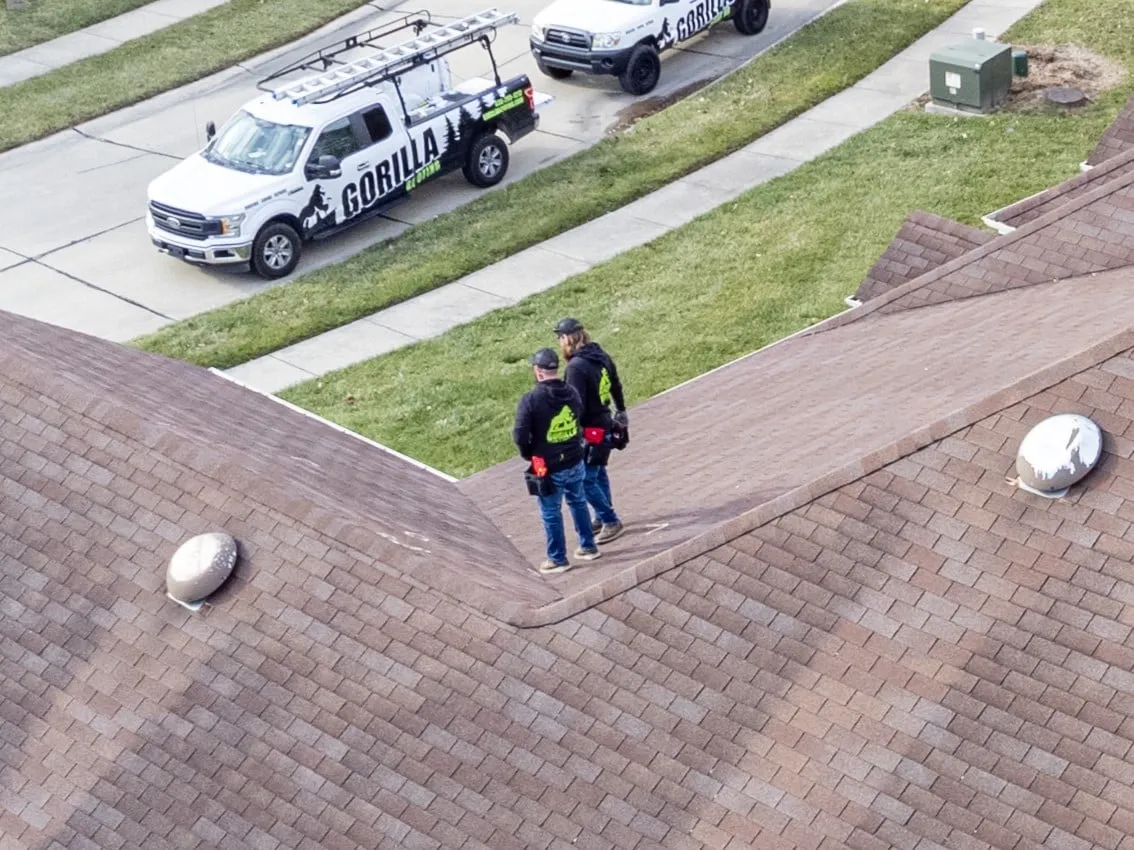
When a general report says something like the roof is aging, that's your cue to call in a specialist. Our roof inspection team can get on the roof before your inspection window closes and give you numbers you can actually negotiate with.
Roof Age and Remaining Life: The Number That Matters Most
The first question to answer is how old the roof is. A standard architectural asphalt roof lasts around 20-25 years in the St. Louis climate - hot summers, freeze-thaw winters, and the hail that rolls through every spring beats them up. A three-tab roof is closer to 15-20.
Ask yourself: how many years of roof am I actually buying, and what happens to my budget when those years run out?
Age alone doesn't tell the whole story. A 15-year-old roof that was properly ventilated and never hit by hail can have plenty of life left. A 10-year-old roof with no attic ventilation can be cooked and curling. That's why remaining life beats age. For the full breakdown of what drives lifespan, read our guide on how long a shingle roof lasts.
What to Ask the Seller
Sellers are required to disclose what they know, but they don't always know much - or remember it clearly. Ask direct questions and get the answers in writing where you can.
- How old is the roof, and do you have the receipt or permit from when it was done?
- Was it a full tear-off or a layover on top of the old roof?
- Has it ever been part of an insurance claim for hail or wind?
- Is there a transferable workmanship warranty from the roofer?
- Any known leaks, past or present, even ones that were 'fixed'?
The layover question matters more than people realize. A roof installed over an old one hides whatever was wrong underneath and usually fails sooner. It's also a headache to insure and more expensive to replace later because there's double the tear-off.
St. Louis Roof Inspection and Replacement Costs
Here's what buyers in the St. Louis metro should plan for. These are real ranges for our area - your exact number depends on roof size, pitch, and material.
| Item | What it covers | St. Louis-area cost |
|---|---|---|
| Roofer inspection for a buyer | Full walk of every slope, photos, remaining-life estimate | $0 - $300, often free |
| General home inspection | Whole house, roof looked at from a ladder or drone | $350 - $600 |
| Minor repair | A few shingles, a pipe boot, sealing flashing | $350 - $900 |
| Moderate repair | A section of shingles, chimney flashing | $900 - $2,500 |
| Full replacement, average single-family home | Standard architectural shingles | $9,000 - $20,000 |
| Full replacement, large or steep roof | Bigger footprint, high pitch, or premium shingles | $20,000 - $35,000+ |
For a deeper look at how those inspection numbers get built, see our roof inspection cost and estimates guide. And if you want the exact list of what a thorough inspection covers, our roof inspection checklist walks through every item.
The gap between a $600 repair and a $16,000 replacement is exactly why you want to know before closing, not after. That number is a negotiating tool.
Negotiating a Credit or Replacement
If the roofer's report shows the roof is near the end or has real problems, you've got leverage. A photographed report with a dollar estimate is far harder for a seller to wave off than a vague inspection line.
You generally have three plays, in order of how clean they are for you as the buyer:
- Seller replaces the roof before closing, using a licensed roofer with a workmanship warranty you can transfer.
- Seller gives you a closing credit or price reduction to cover the replacement, so you control who does the work.
- You split the cost and adjust the sale price accordingly.
A lot of buyers prefer the credit. If the seller does the work, they'll hire the cheapest bid to save money, and you inherit whatever corners got cut. A credit puts you in the driver's seat. Just make sure the number reflects a real replacement quote, not a guess. And remember - a new roof isn't a total loss even if you have to pay part of it. It's one of the better returns you can make on a home, as we cover in does a new roof increase home value.
The Insurance Surprise Nobody Warns You About
Here's the one that catches people. You close on the house, you go to bind homeowners insurance, and the carrier sends someone out to look at the roof. If it's too old or in rough shape, they'll refuse to cover it, cover it only at actual cash value instead of replacement cost, or force you to replace it within a set window to keep the policy.
That means a roof that seemed like a 'someday' problem becomes a right-now problem with a deadline you didn't set. Carriers in Missouri have gotten strict about older roofs because of how much hail costs them here.
Get a rough insurance quote before you're locked in, and mention the roof age up front. Better to hear 'we won't cover a 22-year-old roof' during your option period than the week after you own the place.
When to Get the Roofer Out
Timing is everything in a real estate deal. You want the roofer up there during your inspection or option period, while you still have the contractual right to renegotiate or walk. Don't wait until after the general inspection report lands - by then you may be running out of days.
Call a roofer the same week you go under contract. A straightforward walk and photo report doesn't take long, and it can save you five figures. If you're buying in the St. Louis metro or the Illinois side, reach out to our team and we'll get you a real assessment before your window closes.
Frequently Asked Questions
Quick answers to what buyers ask us most.
Do I really need a separate roof inspection if I already paid for a home inspection?
If the roof is older than about 12-15 years, or the home inspector flags it at all, yes. A general inspection gives you a headline. A roofer gives you the specific condition, remaining life, and a replacement number you can negotiate with.
How much does a roof inspection cost when buying a house?
A dedicated roofer inspection in the St. Louis area typically runs $0-$300, and many straightforward walks are free. The whole-house home inspection is separate, usually $350-$600.
Can I back out of the deal if the roof is bad?
During your inspection or option period, usually yes - that's the whole point of the window. That's why you want the roof looked at early, before your right to renegotiate or walk expires.
Should I make the seller replace the roof or take a credit?
Most buyers do better with a credit or price reduction so they control who does the work and can pick a roofer with a real workmanship warranty. If the seller replaces it, they'll often hire the lowest bid to save money.
Will my insurance really refuse to cover an old roof?
It happens often in Missouri because of hail losses. Carriers may decline the roof, cover it only at actual cash value, or require replacement within a set time. Get an insurance quote before closing and disclose the roof age up front.