
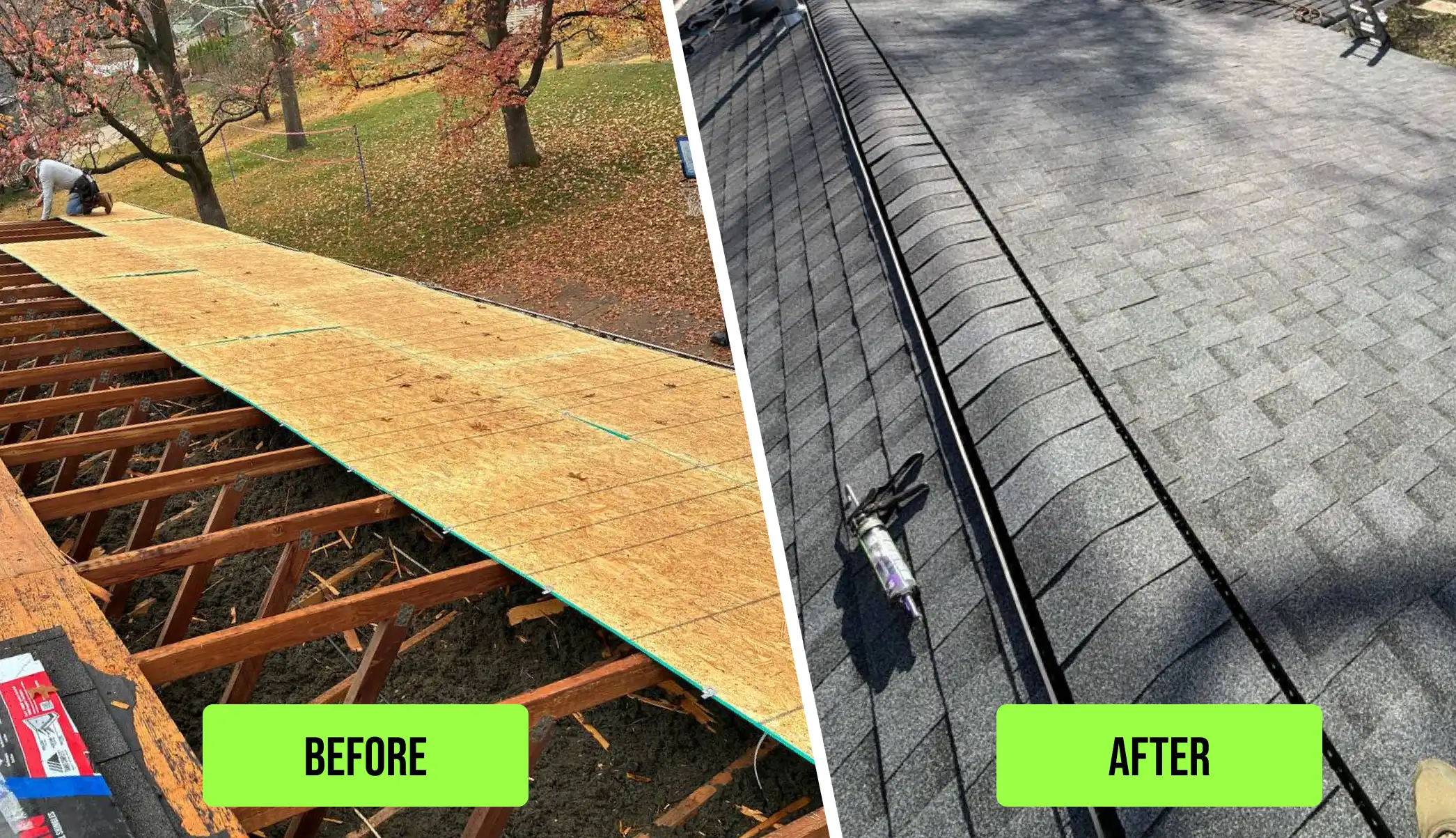
Missouri high wind damage is one of those things homeowners don’t think about until the storm has already blown through. One minute you’re enjoying a normal day, and the next your patio chair is in the neighbor’s yard and shingles may be missing from your roof. High winds in Missouri can create hidden damage that turns into leaks, stains, and expensive repairs if you don’t catch it early.
High winds are one of the biggest culprits of hidden roof damage around St. Charles, St. Peters, and pretty much every other town in our region. The annoying part? Most homeowners don’t notice anything until a water stain shows up on the ceiling. And once you see that stain, you’re already behind.
This guide keeps it simple—what to check, what actually matters, what to avoid, and when to call someone who climbs roofs for a living so you don’t have to.
Start With Safety (Seriously—Don’t Climb Anything Yet)
After a storm, people instinctively walk outside and look up like they’re suddenly trained roof inspectors. Don’t do that. Start on the ground.
If you see downed power lines, broken limbs that look like they’re hanging on by a thread, or yard décor that’s now in “abstract art” positions, take note—but keep your distance. Same goes for roofing pieces in the yard. Shingles don’t travel for fun, so if they’re on the ground, there’s a reason.
But again—stay off the roof. Wet shingles + wind gusts + gravity = a bad combo.

Take a Slow Walk Around the House
You can catch a surprising amount of storm damage just by circling your home. Look for spots where shingles look raised, curled, or completely missing. Gutters that suddenly appear crooked or siding that looks like it took a punch are also common clues that wind did more than just rattle things around.
If you see anything that looks “off”, snap a photo. You don’t need to be Ansel Adams—just get the angle and move on. These photos will help later with a roofer and with insurance.
Check Inside Too—Wind Doesn’t Always Leave Obvious Clues
Wind can break seals, lift shingles just enough to let water sneak in, or loosen flashing around vents without making a dramatic mess outside.
Take a minute to peek in the attic or look at ceilings. Damp insulation, a musty smell, or a small water ring that wasn’t there yesterday are all early signs you shouldn’t ignore.
If you see sunlight coming through the roof boards? Yeah… that’s one of those “call someone immediately” moments.
Document What You Can
You’ll thank yourself later if you take a few minutes now. Create a quick photo folder on your phone labeled with the date of the storm and toss everything in there—shingle damage, gutter issues, odd debris, anything unusual.
Insurance adjusters love documentation. Roofers do too. And your future self definitely will.
Skip the DIY Roof Repairs (Please)
Missouri homeowners are a resourceful bunch, but roofing after a storm is one place where enthusiasm backfires fast.
Temporary fixes are okay when done properly, but most YouTube-inspired attempts cause more problems—moisture trapped under shingles, nails in the wrong place, or underlayment torn by “just checking.” Don’t risk turning a fixable issue into a full-blown interior leak.
Have a Local Roofer Take a Look
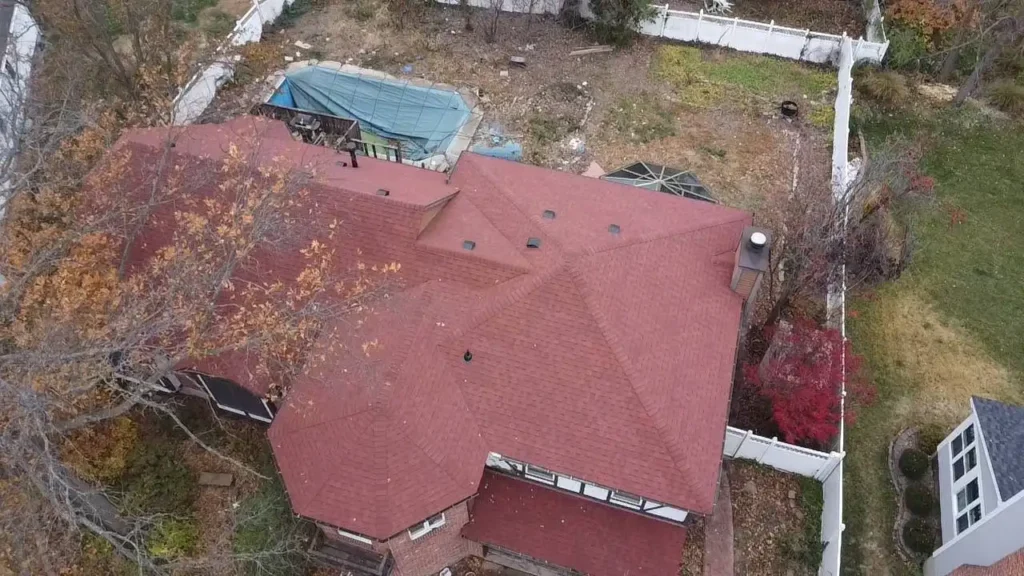
A trained roofer can spot things the average homeowner would walk right past. They’ll check shingles, flashing, ridge caps, ventilation, gutters, and the attic—basically all the places wind loves to cause trouble.
And if you want someone who actually lives and works here—not one of the storm-chasing companies that arrive and disappear overnight—go local. Homeowners always regret the “fast-talking out-of-state guy” later.
Insurance Isn’t as Complicated as It Feels
The big question everyone asks: “Does insurance cover wind damage?”
Most of the time, yes.
Wind-related roof damage is one of the most commonly covered storm events in Missouri. If wind tore shingles off, damaged flashing, allowed water to enter, or caused structural issues, there’s a good chance it qualifies. Coverage depends on the severity and your policy, but replacement can be covered—not just repairs.
The most important part is proving the wind caused the damage, which is why that earlier documentation matters.
If the insurance part stresses you out, we help homeowners with the process all the time.
Call Your Insurance Company Once You Know There’s Damage
When you’re fairly confident something happened, reach out sooner rather than later. They’ll ask for the storm date, what you noticed, and whether a roofer is involved. Mentioning that your neighbors have damage too often helps establish the storm’s impact.
Watch Out for Storm-Chasers
Every time a windstorm hits Missouri, trucks with out-of-state plates magically appear. Some are legitimate. Many aren’t.
If someone is pressuring you, can’t show proof of insurance, has no local address, or wants full payment upfront—walk away. A reputable local roofer won’t make you feel rushed or cornered.
A Few Ways to Avoid Future Wind Problems
You can’t stop Missouri winds from doing what they do, but you can make your roof tougher. Upgrading shingles, improving ventilation, removing problem trees, or simply tightening up outdoor items before a storm goes a long way.
The National Weather Service has a great breakdown on how wind damage actually happens if you want to geek out a little:
https://www.weather.gov/safety/wind
Final Thoughts
Missouri weather keeps things interesting. One windy afternoon can undo a lot more than it seems, but if you stay safe, give your home a quick check, document what you find, and bring in a trusted local roofer, you’ll stay ahead of the headaches.
If high winds recently tore through your area and you’re wondering whether your roof took a hit, we can take a look. A quick inspection today is a whole lot cheaper than a surprise leak in a month.