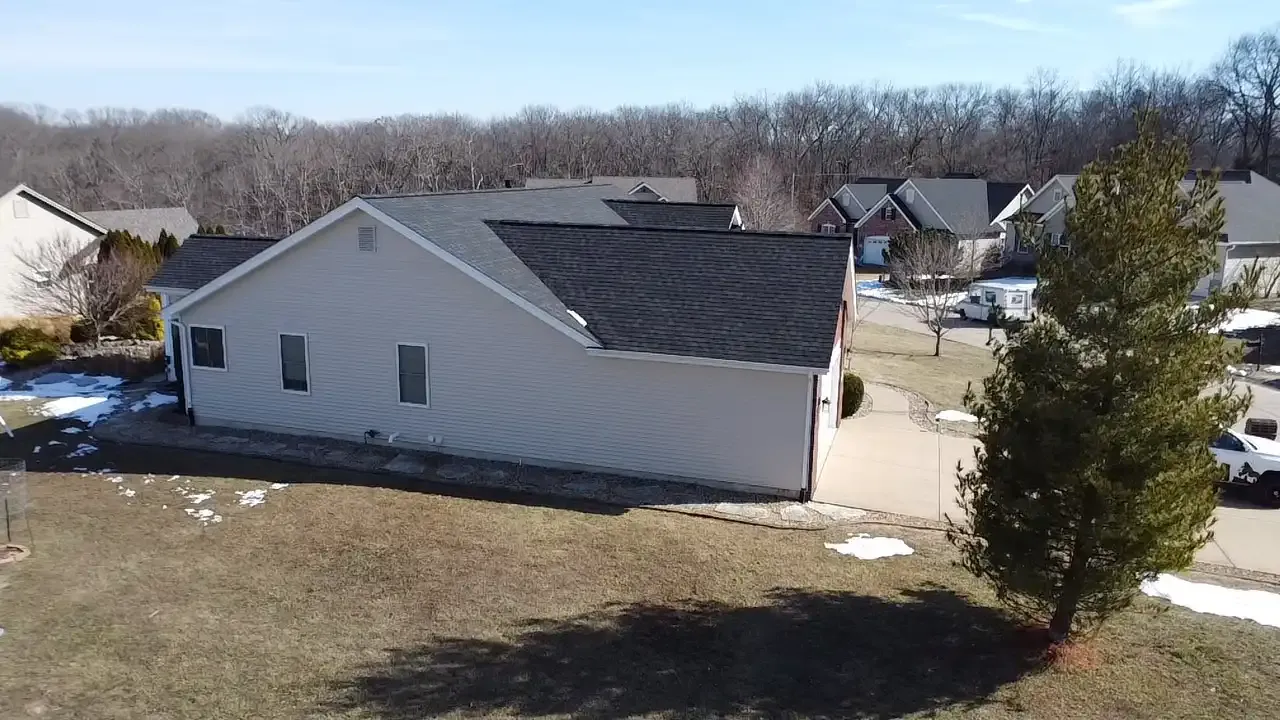
Yes. A roof can be replaced in winter, and in the St. Louis area we install roofs every month of the year. What changes in cold weather is the method, not the result: shingles are hand-sealed instead of left to seal in the sun, crews work shorter days, and some weeks get pushed by snow or ice. Done right, a January roof is as good as an October one, and it is usually cheaper and faster to schedule.
What you should not do is leave a failing roof through a Missouri winter because you heard roofs cannot be replaced in the cold. Ice dams, freeze-thaw, and wet insulation do more damage between December and March than the installation conditions ever would. Here is what actually changes in a winter roof replacement, when it makes sense, when it is worth waiting, and what to do if the roof cannot wait.
What Changes When You Replace a Roof in Cold Weather
Asphalt shingles have a strip of adhesive on the back of each one. In warm weather, sun heats the roof and the strip bonds the shingle to the one below within days, which is what gives the roof its wind rating. Below about 40°F, that does not happen on its own. Everything else about cold-weather roofing follows from that one fact.
| Warm-weather install (50°F+) | Winter install (below 40°F) | |
|---|---|---|
| Shingle sealing | Self-seals in sunlight within days | Hand-sealed: a dab of roofing cement under each shingle tab, or the roof self-seals the first warm spell in spring |
| Shingle handling | Flexible, cuts clean | Stiffer and more brittle; stored warm and brought up in small batches, bent carefully at hips and ridges |
| Nailing | Standard | Pneumatic nailers adjusted so nails do not blow through brittle shingles; more hand-nailing on cold days |
| Ice-and-water shield | Sticks on contact | Needs a primed deck or a warm day; crews use a torch or primer so it bonds |
| Crew day | 7am to 6pm | 9am to 4pm; a large roof takes two days instead of one |
| Scheduling | Booked 3–6 weeks out in fall | Often 1–2 weeks out; most open calendar of the year |
| Weather delays | Rain days | Snow, ice, and days below 20°F; a job may pause mid-week |
| Price | Standard | Often slightly lower; contractors discount to keep crews working |
CertainTeed, whose Landmark shingles we install most, allows cold-weather installation with hand-sealing and specific handling; it does not void the warranty. What does void it is a crew that skips the hand-sealing and leaves the tabs loose for a February wind to lift. The crew matters more in winter than any other season.
When a Winter Roof Replacement Makes Sense
- The roof is leaking now. Water in the house is a bigger problem than cold on the roof. See the cost of waiting too long.
- A fall storm damaged it. Insurance claims have deadlines, and a hail-damaged roof going into winter gets worse with every freeze. See our roof insurance claims guide.
- You have ice dams every year. The fix for ice dams is ice-and-water shield, ventilation, and insulation, all of which are done during a replacement. Doing it in January stops this winter's damage instead of next winter's. See how to prevent ice dams.
- You want the best price and the shortest wait. Winter is the slow season. Crews are available and some contractors discount to keep them working.
- You are selling in spring. A roof done in January is finished and inspected before the house lists in March.
When It Is Worth Waiting for Spring
- The roof is old but dry. If it is not leaking and has no storm damage, there is no penalty for waiting until April or May, and you get the easier install conditions. See the best time to replace a roof for the season-by-season comparison.
- The forecast is a stretch of days below 20°F or an ice storm. Shingles get too brittle and ice-and-water shield will not bond. A good contractor will push the date rather than install in those conditions.
- The job needs a lot of decking replaced. Open decking in sleet is miserable for the crew and risky for the house; a dry stretch is worth waiting for.
- You want a specialty material. Metal, tile, and some flat-roof membranes have tighter temperature limits than asphalt shingles.
What a Good Winter Install Looks Like
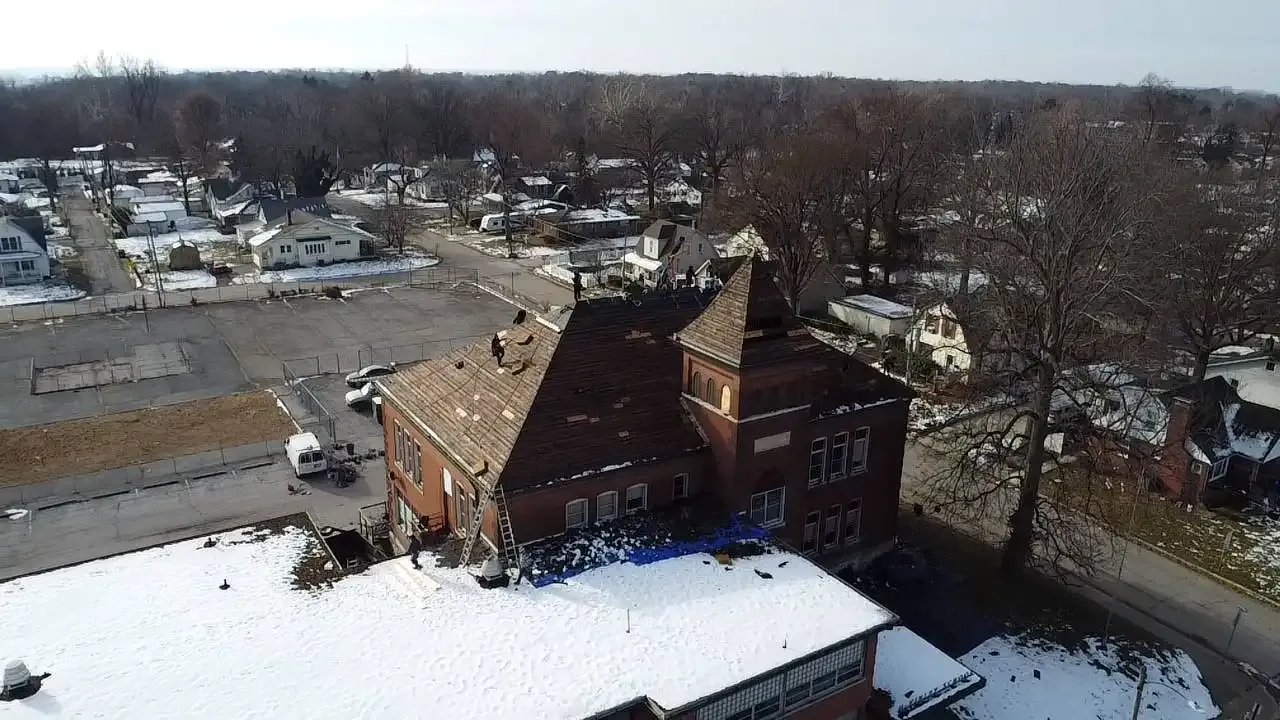
If you replace a roof between December and March, these are the things that separate a roof that lasts 25 years from one that loses shingles in the first spring storm. Ask about every one of them before you sign.
- Hand-sealing. Every shingle tab gets a dab of asphalt roofing cement on cold days. This is the single non-negotiable. It takes an extra hour or two per roof and some crews skip it.
- Warm storage. Shingles are kept in a heated trailer or garage until they go on, not left on the roof overnight in the cold.
- Day-by-day scheduling. The crew watches the forecast and works on the days above freezing, pausing on the days that are not. A contractor who promises a fixed one-day install in January regardless of weather is promising something they should not.
- Primed deck under ice-and-water shield. Cold decking needs primer or a heated roll so the membrane actually bonds at the eaves, where ice dams form.
- Nail depth checked. Nailers are set lower for brittle shingles; overdriven nails are the most common winter installation defect.
- Attic ventilation checked while the roof is open. Winter is when ventilation problems show, as frost on the underside of the decking.
- A spring follow-up. We come back after the first warm spell to confirm the shingles have self-sealed and nothing lifted. Ask whether that is included.
- The same warranty. A winter install from a certified CertainTeed ShingleMaster carries the same ShingleMaster warranty as a June install.
The full scope of the job is the same as any other season; see what a full roof replacement includes.
What a Winter Roof Replacement Costs
Materials cost the same in January as in June. Labor is the same per hour but spread across more days. The difference is demand: winter is the slow season, and many contractors, including us on a lot of jobs, price winter work a few hundred to a thousand dollars under fall pricing on a typical home to keep crews working.
| 20-square home, architectural shingles | Fall | Winter |
|---|---|---|
| Installed price | $8,000–$17,000 | $7,500–$16,000 (typical discount $300–$1,000) |
| Wait for a start date | 3–6 weeks | 1–2 weeks |
| Days on the roof | 1 | 1–2, weather permitting |
| Extra for cold-weather methods | — | Usually none; hand-sealing is included by a good contractor |
| Warranty | Lifetime limited + workmanship | Same |
For the full breakdown of what drives the number, see the roof replacement cost guide. If you are financing, winter pricing plus a slow-season start can be a real saving; see cash vs. financing a new roof.
If the Roof Cannot Wait and Neither Can the Weather
Sometimes a roof fails in the middle of an ice storm, and no one can install shingles in that. The sequence is: stop the water now, replace the roof the first workable week.
- Emergency tarp or temporary repair. A properly fastened tarp or a patch over the leak area buys weeks. See our emergency roof leak guide.
- Clear ice dams safely. Do not chip at ice on the roof; a roofer can steam it or cut channels. See protecting your roof from ice damming.
- Document everything for insurance if a storm caused it. Photos of the roof, the attic, and every interior stain, dated.
- Schedule the replacement for the first forecast stretch above freezing. In St. Louis that usually comes within two weeks even in January.
Winter leaks also do their damage quietly. If a leak has been running for weeks, check the attic for wet insulation and dark spots before the roof goes on; see signs of a roof leak in the attic and roof leaks in late winter.
Frequently Asked Questions
Can you replace a roof in the winter?
Yes. Asphalt shingle roofs can be installed in cold weather with hand-sealing and careful handling, and crews in the St. Louis area work year-round. The roof performs the same once the shingles seal; the main differences are shorter work days, possible weather delays, and often a lower price.
What temperature is too cold to install shingles?
Shingles self-seal above about 40°F. Between 40°F and roughly 20°F they can be installed with hand-sealing and warm storage. Below 20°F, or in snow and ice, most crews stop: shingles become too brittle and ice-and-water shield will not bond. A few cold days inside a job just pause it.
Is it cheaper to replace a roof in the winter?
Usually a little. Materials cost the same, but winter is the slow season and many contractors discount $300 to $1,000 on a typical home to keep crews working. Scheduling is also faster, often one to two weeks instead of three to six.
Will a winter roof install void the shingle warranty?
No. CertainTeed and other major manufacturers allow cold-weather installation when their handling and hand-sealing instructions are followed. What voids a warranty is skipping those steps, in any season. Use a manufacturer-certified installer.
How long does a roof replacement take in winter?
One to two days on the roof for a typical home, versus one day in warm weather, because of shorter daylight and the extra hand-sealing. Snow or an ice storm can pause a job for a few days in the middle. Plan on the week, not the day.
Can roofers work in the snow?
Not on a snow-covered roof. Snow has to be cleared and the deck dry before shingles or underlayment go down. A light dusting is swept off and work continues; several inches or ice means waiting for a thaw.
Should I wait until spring to replace my roof?
If the roof is dry, undamaged, and just old, waiting for spring costs you nothing. If it is leaking, storm-damaged, or you get ice dams every year, replacing it now prevents a winter of damage to decking and insulation that will cost more than the roof.
What is the best month to replace a roof?
October, for weather and shingle sealing. But the best month is the one before your roof fails. Our best time to replace a roof guide compares every season.
Winter Roofing in the St. Louis Area
We replace roofs from Chesterfield to St. Charles County all winter, with hand-sealing, warm-stored shingles, and a spring follow-up on every cold-weather job. If your roof is not going to make it to April, a free inspection will tell you whether it needs a tarp today and a roof next week, or can wait for the thaw. Request a free inspection, or read about our roof replacement service and winter roof prep tips.