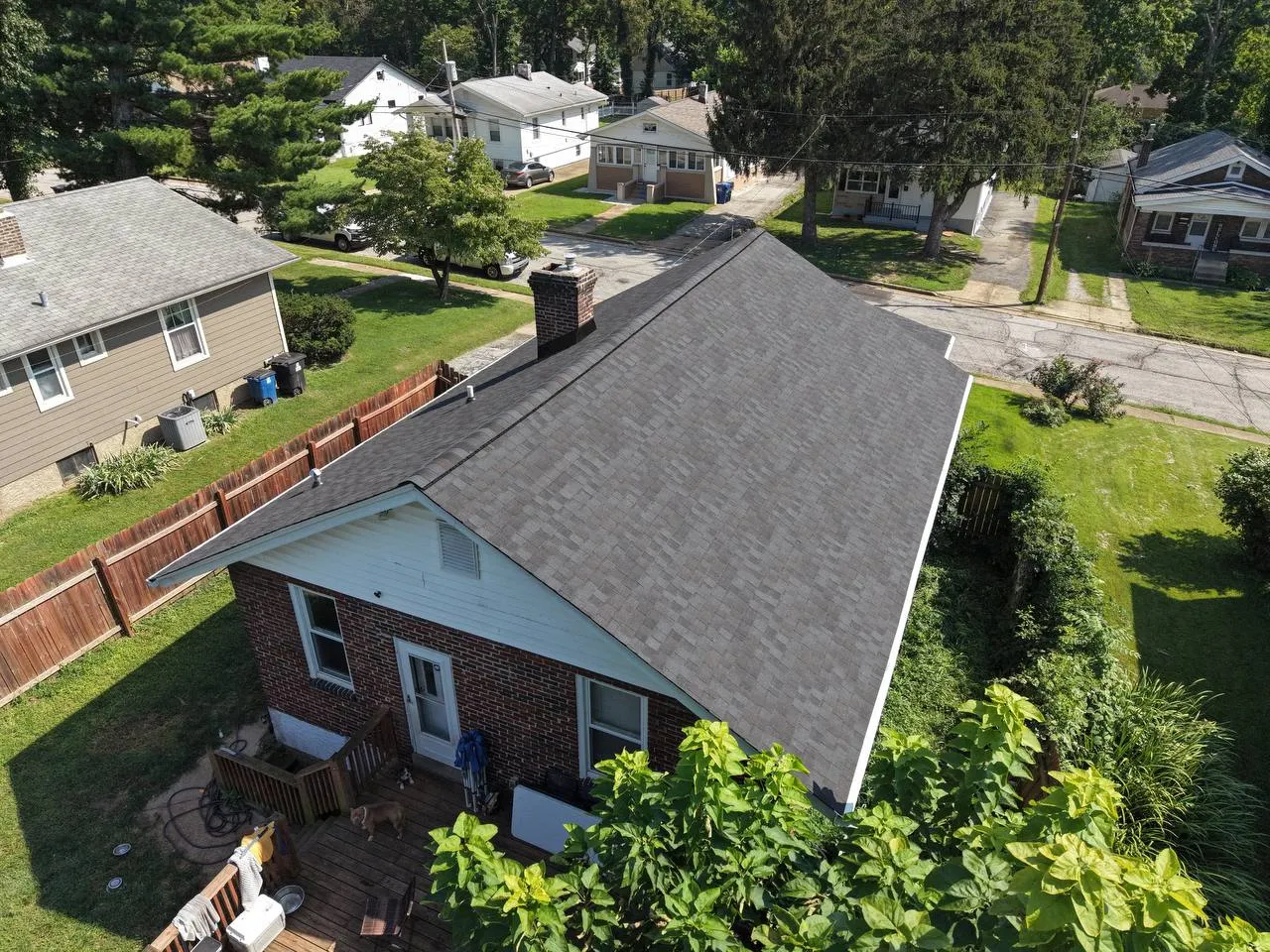
A few years ago, roof age was a footnote on your policy. Today it's the headline. If your shingles are pushing 15, 18, or 20 years, your insurance company is paying attention, and not in a good way.
Across the St. Louis metro and into Illinois, homeowners are getting letters they've never seen before: non-renewal notices, ACV-only endorsements, and demands for a roof inspection just to keep the policy. It caught a lot of good people off guard. Here's the straight version of what's happening, why, and what you can actually do about it.
The Age Thresholds Insurers Actually Use
There's no single national rule. But if you talk to enough adjusters and underwriters in this region, the same numbers keep coming up. Roof age is now one of the biggest factors in whether a company will write or keep your policy.
| Roof age | What carriers typically do | What to have ready |
|---|---|---|
| Under 10 years | Full replacement cost coverage, no questions asked. | Nothing beyond your normal policy. |
| 10 to 15 years | Usually fine, but some carriers start asking for photos or an inspection at renewal. | Recent photos of every slope, or a short inspection report. |
| 15 to 20 years | The danger zone. Many carriers move the roof to actual cash value, or require an inspection to renew. | A written inspection or roof certification from a licensed roofer. |
| 20 years and older | Some carriers non-renew outright. Others keep you but pay only depreciated value on a claim. | A certification, a replacement quote, or both. |
The exact number depends on the carrier and the shingle. An asphalt roof rated for 25 or 30 years gets more slack than a builder-grade three-tab. If you're not sure how much life yours has left, our guide on how long a shingle roof lasts breaks down the real numbers by material and condition.
ACV vs RCV: The Difference That Costs You Thousands
This is the part most homeowners don't understand until it's too late. There are two ways a policy pays for a roof, and on an older roof the difference is enormous.
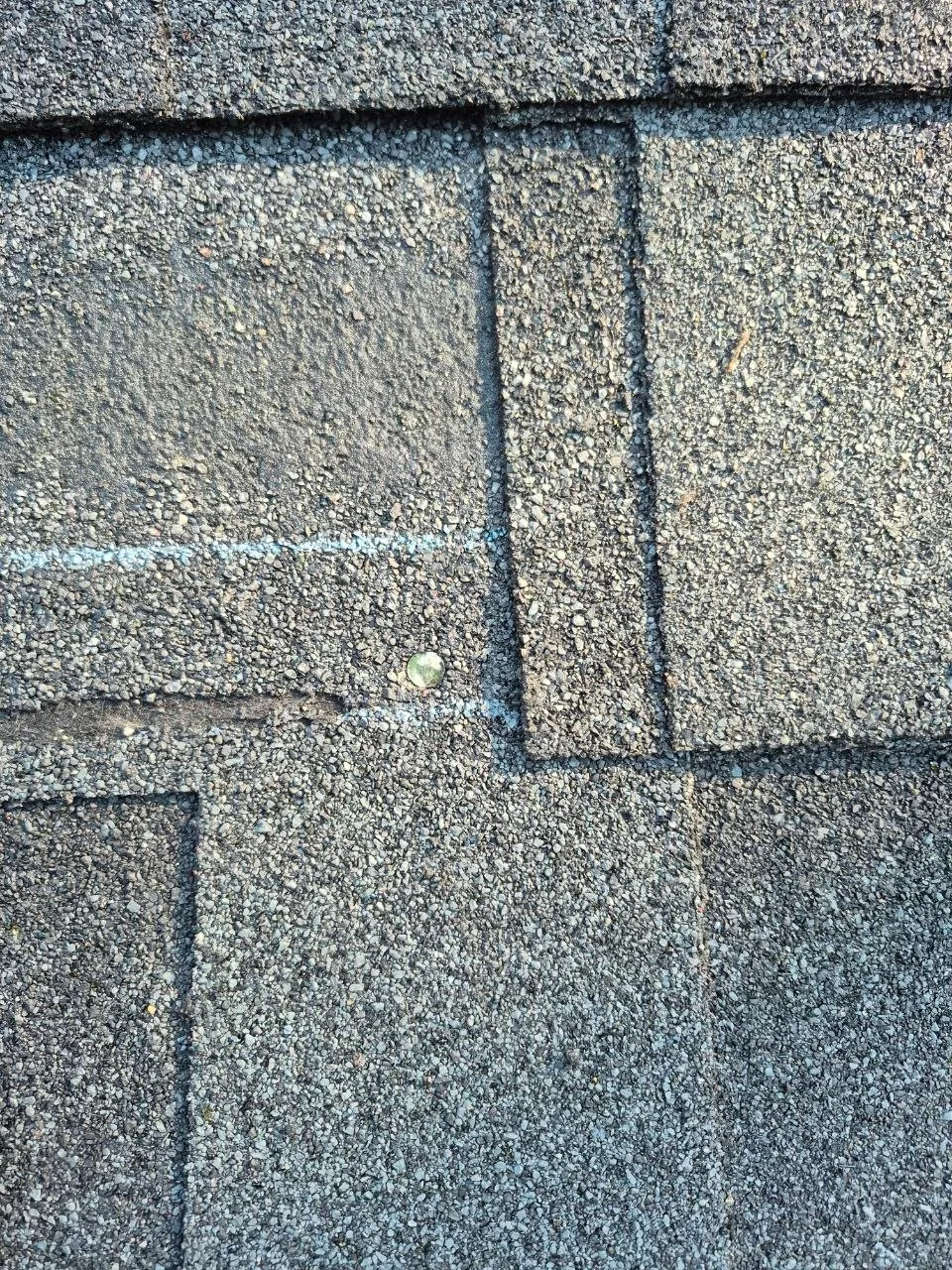
Replacement cost value, or RCV, pays what it costs to put a new roof on today. Actual cash value, or ACV, pays the depreciated value, meaning the cost of a new roof minus wear and tear for every year the old one was up there. On a 20-year-old roof, that depreciation can wipe out most of the check.
"If my roof gets destroyed in a storm, doesn't insurance just replace it?" Not if you're on an ACV policy. They'll subtract 15 or 20 years of depreciation first, and you cover the rest out of pocket.
Here's what that looks like in real dollars on a $15,000 asphalt shingle replacement, which sits in the middle of the typical range for a St. Louis-area home. Our roof replacement cost guide has the full breakdown by size and material.
| Roof age | Typical depreciation | ACV payout on a $15,000 roof | You cover |
|---|---|---|---|
| RCV policy, any age | Not applied | $15,000 minus your deductible | Deductible only |
| Under 10 years | 25 to 35% | $9,750 - $11,250 | $3,750 - $5,250 |
| 15 years | 50 to 60% | $6,000 - $7,500 | $7,500 - $9,000 |
| 20 years | 65 to 80% | $3,000 - $5,250 | $9,750 - $12,000 |
| 25 years | 80 to 90% | $1,500 - $3,000 | $12,000 - $13,500 |
Those depreciation rates are typical of the schedules Missouri and Illinois carriers apply to asphalt shingles, and your deductible comes off the ACV payout too. The exact number depends on your carrier and your policy. The takeaway is simple: on a 20-year-old roof, ACV can leave you paying $10,000 to $12,000 yourself. Read your declarations page and find out which one you have before a storm forces the question. If you end up footing the bill, our guide to replacing a roof without insurance walks through what that costs and how to plan for it.
Inspection Letters and What They Really Want
More carriers are sending homeowners a letter that says something like: submit a roof inspection within 30 days or your policy will not renew. It feels aggressive, and it is a little, but it's usually not a lost cause.
The insurer wants to know the roof still has usable life and isn't a claim waiting to happen. They're looking for curling, granule loss, missing shingles, soft decking, and failed flashing. A roof that's old but sound often passes. A roof that's old and failing gets flagged.
- Get the inspection done fast. Thirty days goes quick, and the insurer won't chase you.
- Use a licensed roofer who will photograph every slope and give you a written report.
- If the roof passes, the report keeps your policy in force, often at RCV.
- If it fails, you'll usually get a short window to repair or replace before renewal.
Cost is rarely the obstacle. A basic inspection from us is free. A comprehensive written report with photos, the kind an insurer actually wants to see, runs $175 to $325. Our roof inspection cost guide explains what you get at each level.

What To Do When You Get a Non-Renewal Notice
A non-renewal notice is not a cancellation and it's not the end of the world. It means the carrier won't offer you a new term when the current one ends. You have time, usually 30 to 60 days, and you have options.
- Call your agent first. Sometimes a fresh inspection or a roof repair is enough to reverse it.
- Shop other carriers. Underwriting standards vary a lot from company to company on roof age.
- Consider replacing the roof. A new roof resets the age clock and reopens the market of carriers willing to write you at RCV.
- Don't let coverage lapse. A gap in coverage makes you harder to insure and can violate your mortgage terms.
If the roof genuinely needs replacing, sometimes the smartest move is to do it, get back to a full RCV policy, and stop fighting a losing battle with an aging roof. Our financing options exist for exactly this situation, so a needed replacement doesn't have to be a cash emergency.
Does a Class 4 Roof Help?
Short answer: yes, and more than most people realize. A Class 4 impact-resistant shingle is the highest hail rating there is, and Missouri insurers pay attention to it because hail is our number-one claim driver.
Many carriers offer a premium discount for a Class 4 roof, often 10 to 25 percent off the wind and hail portion. Just as important, a brand-new Class 4 roof takes you out of the age-and-ACV conversation entirely. You're new, you're rated for impact, and you're the kind of risk carriers want.
The upgrade does cost more up front. We laid out the real numbers in our breakdown of Class 4 roof cost, including how the insurance discount changes the math over time. For a homeowner who's already replacing an old roof and getting hammered on premiums, it's often the move that pays for itself.
How a Roof Certification Works
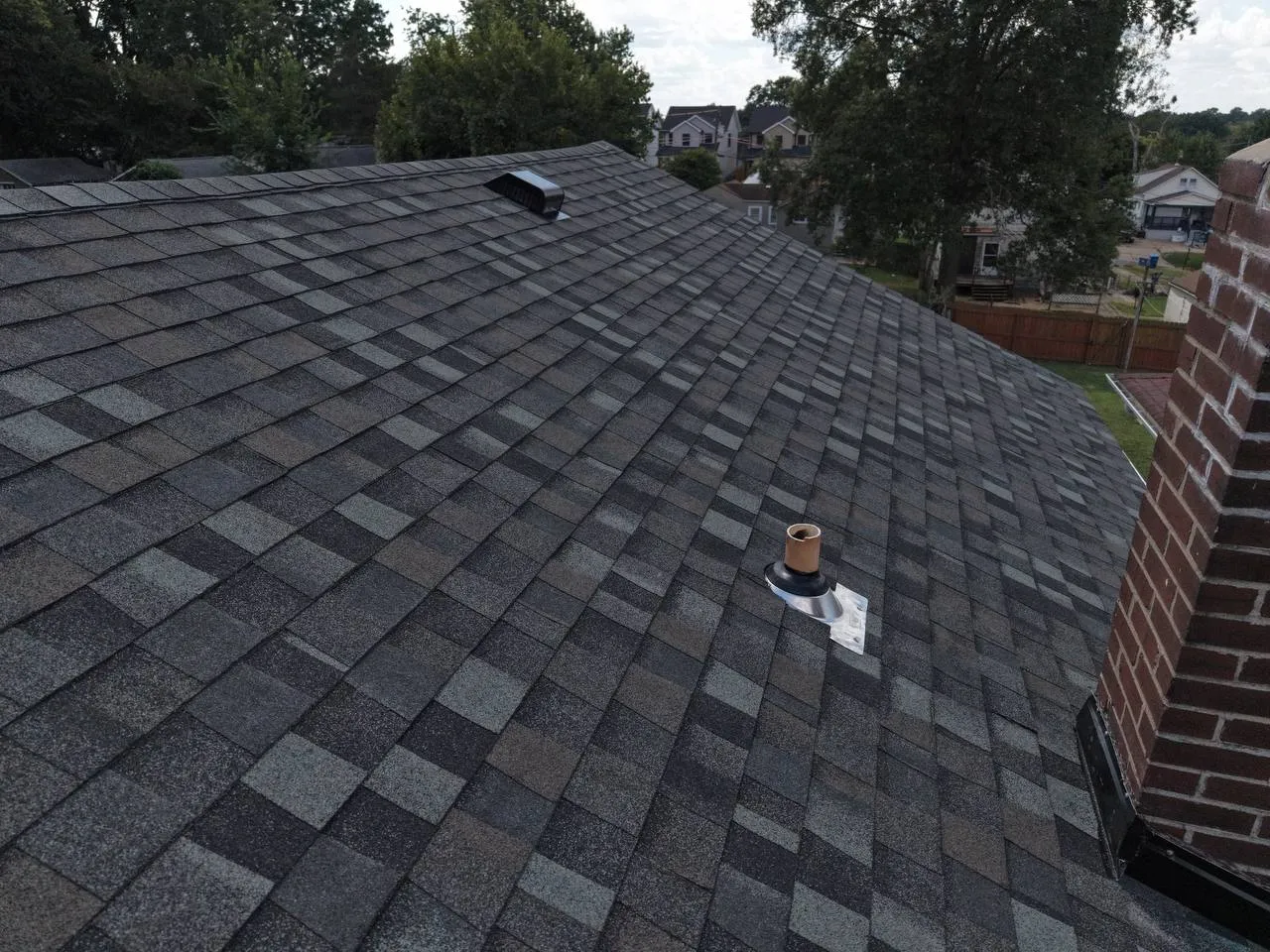
A roof certification is a formal document from a licensed roofer stating the roof's condition and estimated remaining life, usually two, three, or five years. Insurers use it the same way they use an inspection letter, as proof the roof isn't a liability.
It's not a warranty and it's not a guarantee against a storm. It's a professional opinion, backed by photos and the roofer's license, that the roof is functional today. For a homeowner with an older but well-maintained roof, a certification can be the difference between keeping RCV coverage and getting dumped to ACV or non-renewed. Expect it to cost about what a comprehensive inspection report does, since the roofer's work is the same and only the paperwork changes.
If your certification comes back with problems, that report also becomes useful evidence for a claim. When damage is storm-related, our insurance-claims team can walk the roof with the adjuster and make sure nothing legitimate gets written off. Our full roof insurance claims guide covers that process start to finish, and the insurance coverage requirements for roof replacement page explains what carriers expect before they'll approve one. And if a carrier denies or shortchanges a claim on an older roof by blaming age or wear, our guide to appealing a denied roof insurance claim covers how to push back.
Frequently Asked Questions
The questions we hear most from homeowners dealing with roof age and coverage.
Can homeowners insurance cover a full roof replacement?
Yes, if you carry RCV coverage and the damage is from a covered peril like wind or hail. On an ACV policy or an uninsured cause like age, you're paying most or all of it yourself.
At what age do insurers stop covering roofs?
There's no hard cutoff, but 15 to 20 years is where many Missouri and Illinois carriers switch to ACV, and 20-plus is where non-renewals start showing up.
Will replacing my old roof lower my premium?
Often yes. A new roof, especially a Class 4 impact-rated one, resets the age clock, reopens the RCV market, and can earn a wind-and-hail discount.
Do I have to replace my roof if I get an inspection letter?
Not always. If the roof passes inspection, the report alone usually keeps your policy in force. Replacement is only required if the roof is actually failing.
Is a roof certification the same as an inspection?
Similar, but a certification adds an estimated remaining lifespan and is signed by a licensed roofer. Insurers treat both as proof the roof is sound.
If you've gotten an inspection letter or a non-renewal notice and you're not sure where you stand, get a licensed roofer up there before the clock runs out. A clear, photographed report is your best leverage, whether the goal is keeping your policy or filing a claim.