A roof is supposed to be a straight line. When you stand across the street and that ridge line starts to look like a hammock, your gut already knows something's off. You don't need a contractor to tell you a droop is bad. You need one to tell you how bad.
The good news: not every sag means the sky is falling. The less-good news: some of them absolutely do. Here's how to tell the difference, what causes a roof to sag in the first place, and what it actually costs to make it straight again here in the St. Louis area.
What Actually Causes A Roof To Sag
A sag is a symptom, not a diagnosis. Something underneath the shingles gave up. Usually it's one of these:
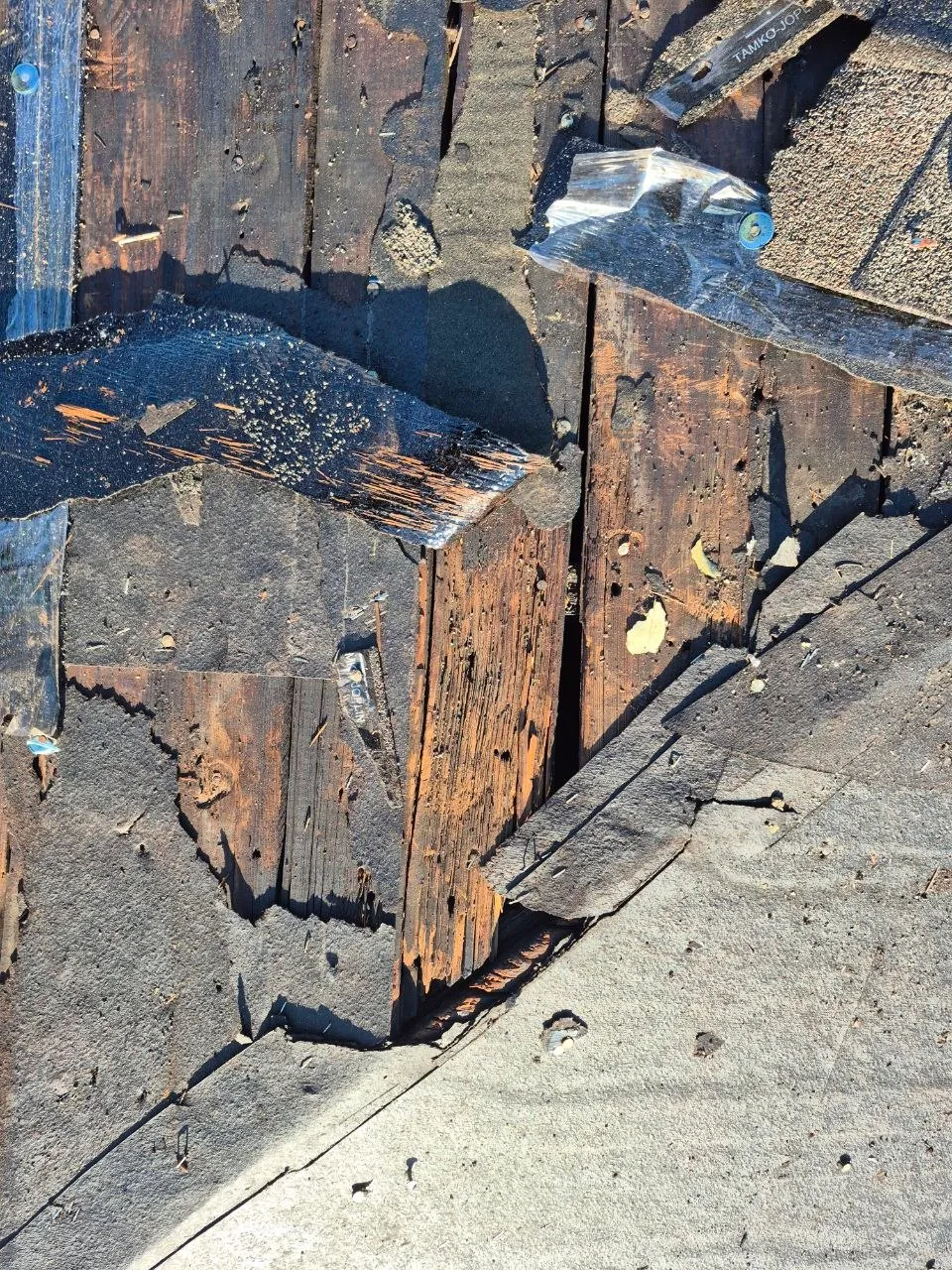
- Rotted decking — the plywood or OSB under your shingles got wet, softened, and stopped holding its shape. This is the most common cause we find.
- Water damage over time — a slow leak you never knew about quietly ate the wood for years.
- Failed or undersized rafters and trusses — the framing itself is cracked, split, or was built too light for the load.
- Snow and ice load — a heavy Missouri winter parks thousands of pounds on a roof that's already tired.
- Too many layers of shingles — somebody roofed over the old roof once (or twice), and all that weight adds up fast.
- Age plus gravity — decades of moisture cycling, sun, and seasonal movement eventually win.
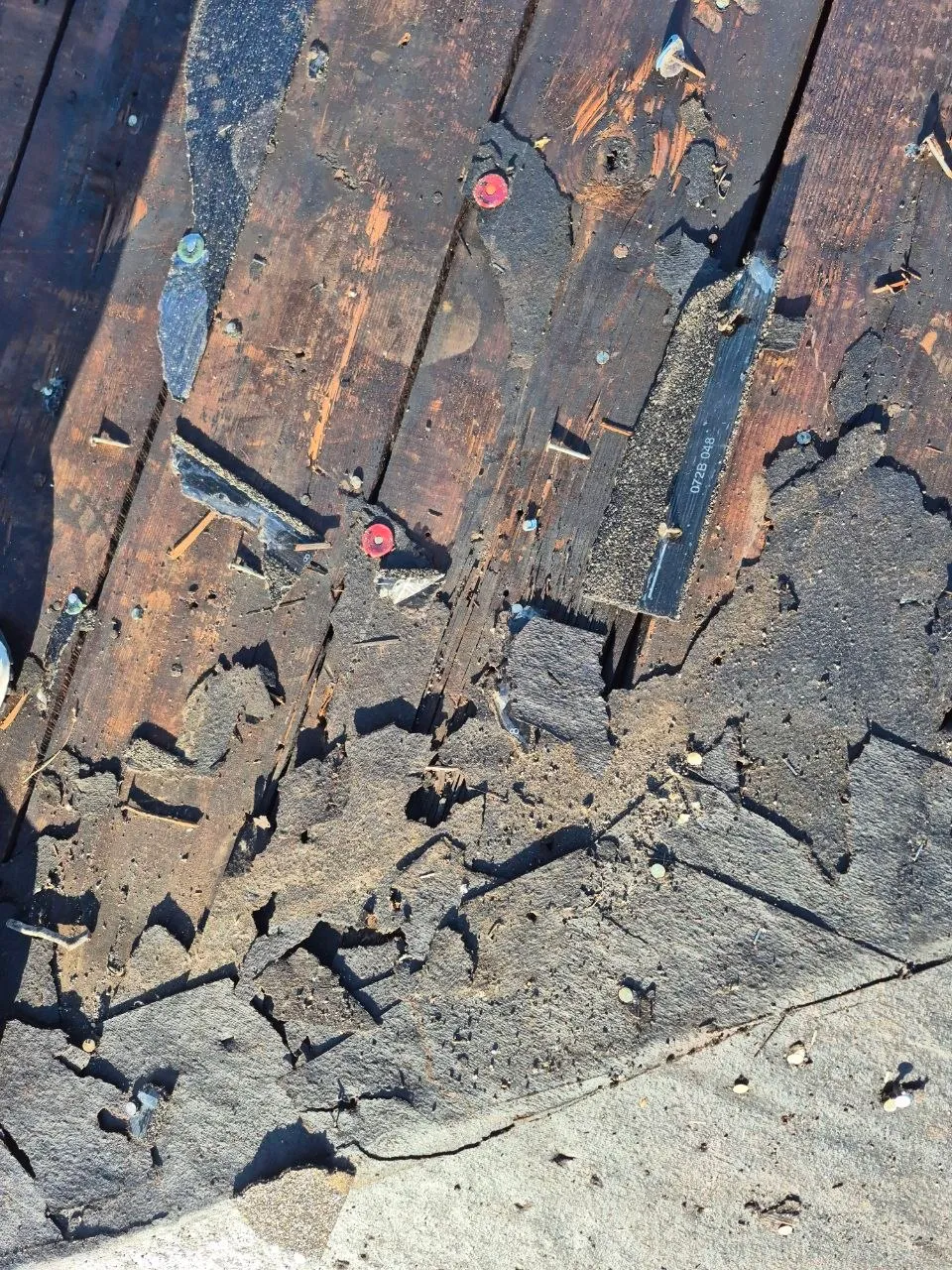
That last one about layers surprises people. Asphalt shingles are heavier than they look. Two full layers can push a marginal roof structure past what it was designed to carry. If you're weighing a re-roof, our breakdown of roof-over vs tear-off explains why piling on another layer is often a false economy.
Is A Sagging Roof Dangerous? How Urgent Is Urgent
Short answer: a sag is always worth checking, but not every sag is a 911 call. The trick is reading the size and speed of the problem.
A slow dip that's been there for years is a different animal than a fresh sag that showed up after last week's storm. Speed matters more than size.
Here are the signs that push a sag from "schedule an inspection" toward "stop reading and call someone today":
- The sag is getting visibly worse week to week.
- You see cracks in interior ceilings or drywall along the sag line.
- Doors or windows on the top floor suddenly stick.
- There's active water intrusion, staining, or a musty smell in the attic.
- The ridge line has a sharp V-shaped dip instead of a gentle curve.
- You can see daylight or feel bounce when you (carefully) step in the attic near the sag.
If you've got a couple of those, especially active water, treat it like the leak it probably is. Our emergency roof leak guide covers what to do in the hours before a crew can get there so you limit the damage.
What A Real Inspection Finds
Here's the thing about a sag: you can't diagnose it from the driveway. The shingles are just the wrapper. The story is in the attic and under the deck.
A proper roof inspection for a sagging roof goes into the attic and checks the framing from below. We're looking at whether the rafters are cracked or pulling apart, whether the decking is soft and spongy, where the water has been traveling, and whether the sag is structural (framing failed) or surface-level (just the deck sinking between good rafters). That difference is everything, because it's the gap between a few hundred dollars and a few thousand.
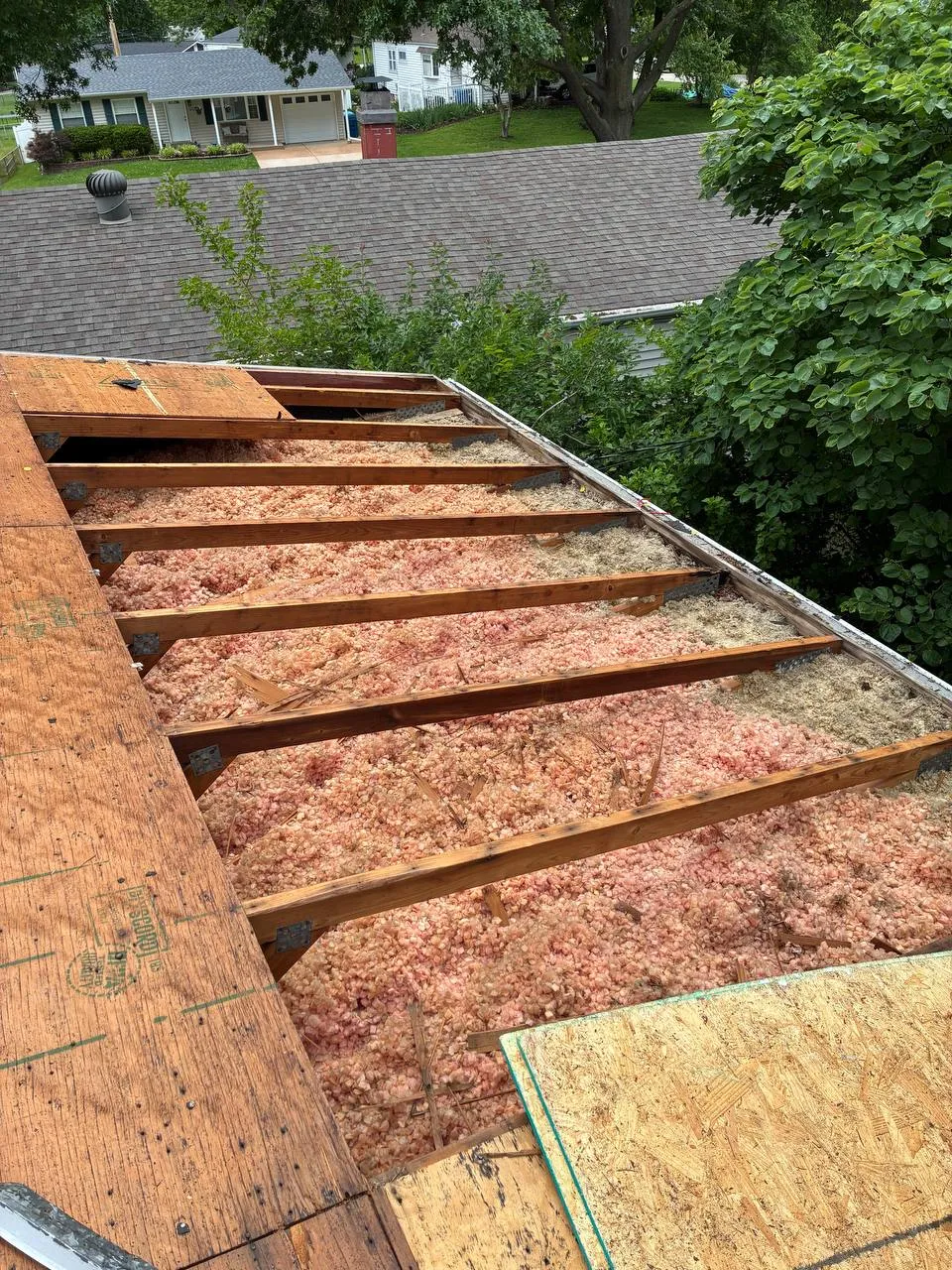
Ask whoever you call to show you photos of what they found. If someone quotes a full replacement for a sag without ever setting foot in your attic, that's a red flag. Sometimes the answer really is a full roof, but they should be able to prove it with pictures of soft deck or cracked rafters, not just a bad vibe from the sidewalk.
Repair Options And What They Cost
Fixing a sag ranges from "replace a few sheets of wood" to "rebuild the structure and re-roof." Here are honest St. Louis-area ranges. Every roof is different, so treat these as ballparks, not quotes.
| Repair | Typical cost range |
|---|---|
| Localized deck replacement (a few sheets of rotted plywood/OSB) | $500 - $2,500 |
| Larger decking replacement across a slope | $2,500 - $6,000 |
| Sistering or reinforcing rafters (adding wood alongside cracked framing) | $1,500 - $5,000 |
| Truss or major structural repair (engineer and framing crew involved) | $5,000 - $12,000+ |
| Full tear-off and replacement (deck and shingles both shot) | $9,000 - $25,000+ |
What moves you inside those ranges is mostly how many sheets or framing members are involved, how hard the attic is to work in, and the size, pitch, and materials on a full replacement.
If your roof is already near the end of its life and the sag is from widespread rotted deck, spending money on a spot repair is like buying one new tire for a car with a blown engine.
Financing exists for the bigger jobs so a structural surprise doesn't wreck your month. Our financing options can spread a replacement out into something manageable.
When A Sag Means Replacement, Not Repair
There's a point where patching stops making sense. If the decking is rotted across most of a slope, if the roof is 20-plus years old, or if the sag traces back to too many old shingle layers, you're usually better off with a full tear-off. You fix the structure once, put down a fresh deck and new shingles, and you're set for a couple of decades.
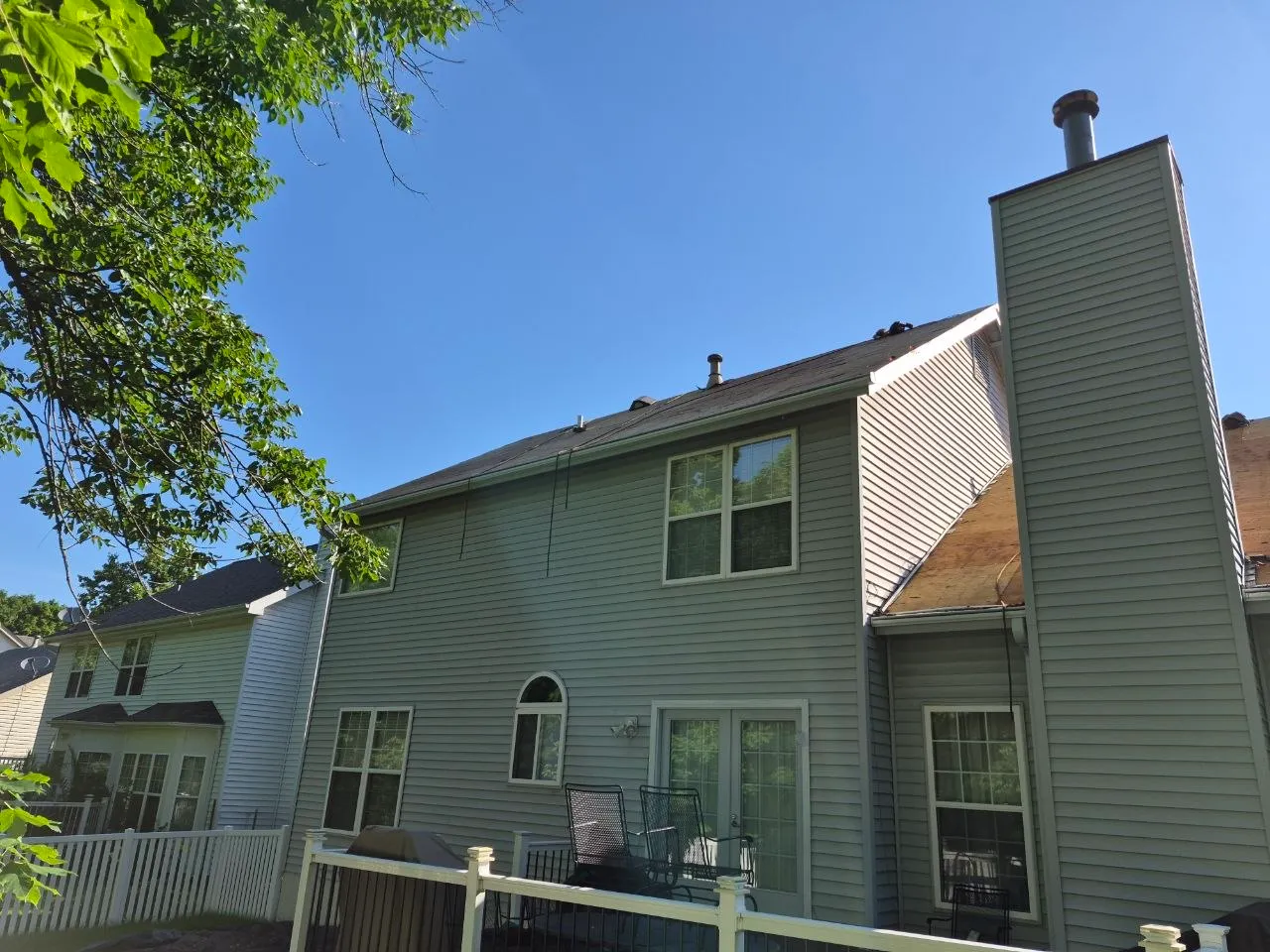
Not sure which camp you're in? Our list of signs you need a new roof walks through the same questions we ask on an inspection. And every roof we replace is backed by the 10 Year Gorilla Guarantee, which is the longest workmanship warranty in the region, so the straight ridge line stays straight.
Frequently Asked Questions
The questions we hear most often about a sagging roof.
Can I just live with a small sag?
Maybe, if it's old, stable, and dry. But you can't confirm any of that without an attic inspection, and a small sag that's fed by a slow leak will not stay small.
Will my insurance cover a sagging roof?
It depends on the cause. Sudden storm or ice-load damage may be covered; slow rot from age or neglect usually isn't. An inspection documents which one you're dealing with.
How fast do I need to act?
If there's active water, worsening sag, or interior cracking, act now. A stable, dry, long-standing dip can wait for a scheduled visit, but should still get looked at.
Can you fix just the decking and reuse my shingles?
Rarely worth it. Shingles usually break when removed, and if the deck rotted, the shingles above it are typically near the end too.
How long does a sagging roof repair take?
A localized deck repair is often a day. Structural rafter or truss work plus a re-roof can run several days depending on size and weather.
Bottom line: a sag is your roof telling you something underneath is tired. Sometimes it's a cheap fix, sometimes it's a bigger job, but the only way to know is to get someone in the attic with a flashlight and a camera. We'll tell you straight which one you've got.